
Leather Marking And Printing
Leather marking is widely used in industries such as fashion, footwear, automotive interiors, furniture, and accessories. Compared with metals or plastics, leather is a natural or semi-synthetic material with highly variable structure, which makes marking results less predictable and more dependent on process control.
In practice, the challenge is not simply “marking leather,” but achieving consistent visual quality without damaging the material surface or texture.
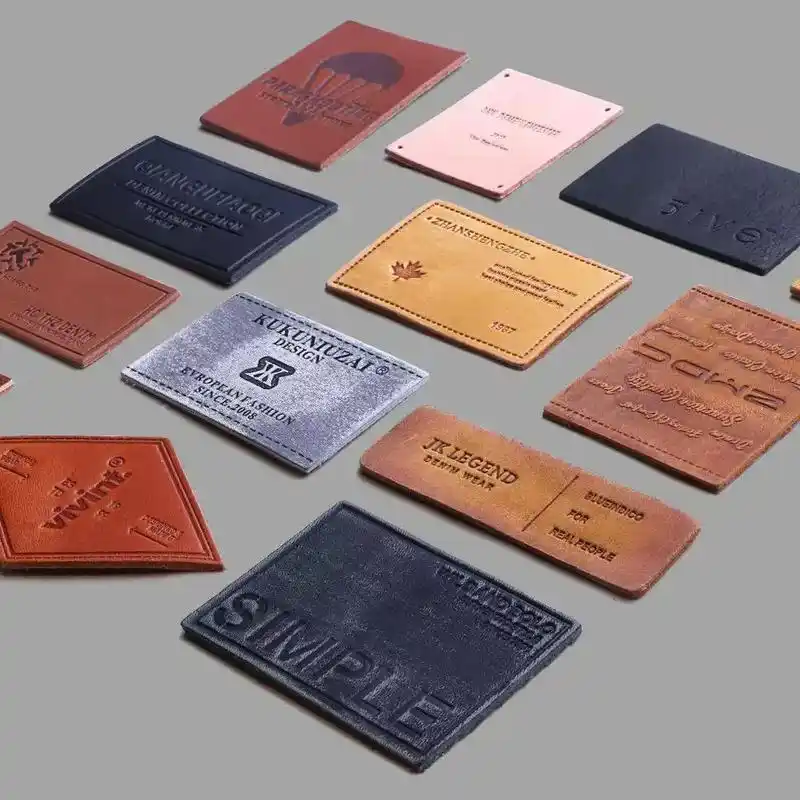
Marking effects on leather products
1.Understanding Leather as a Material
Leather is not a uniform substrate. Its reaction to laser energy or ink depends heavily on its composition and treatment.
1.1 Natural Leather (Genuine Leather)
Derived from animal hides, natural leather contains:
collagen fiber networks
natural oils and moisture
uneven density distribution
This leads to:
non-uniform energy absorption
variation in marking contrast
sensitivity to heat (burning or darkening)
Different types (cowhide, sheepskin, etc.) may behave very differently under the same parameters.
1.2 Synthetic Leather (PU / PVC Leather)
Synthetic leather is engineered with polymer coatings:
PU (polyurethane)
PVC (polyvinyl chloride)
These materials are more consistent than natural leather but introduce new variables:
surface coating thickness
pigment layers
thermal decomposition characteristics
For example, PVC materials can release gases during laser processing, which affects both marking quality and environmental safety.
1.3 Surface-Finished Leather
Many leather products are treated with:
coatings
dyes
protective films
These layers often determine the final marking effect more than the base material itself.
In many cases, laser marking interacts primarily with the coating layer, not the leather underneath.
2.Core Challenges in Leather Marking
Leather marking is highly sensitive to energy input and process stability. The most common issues include:
Thermal Damage
Excessive energy leads to:
burning
carbonization
unpleasant odor
hardened surface
Inconsistent Color Contrast
Due to uneven material structure:
some areas appear darker
others remain faint
Surface Deformation
High heat can cause:
shrinkage
warping
texture damage
Edge Quality Issues
In engraving applications:
edges may appear rough or over-burned
These challenges make leather marking a process-control problem rather than a simple equipment selection task.
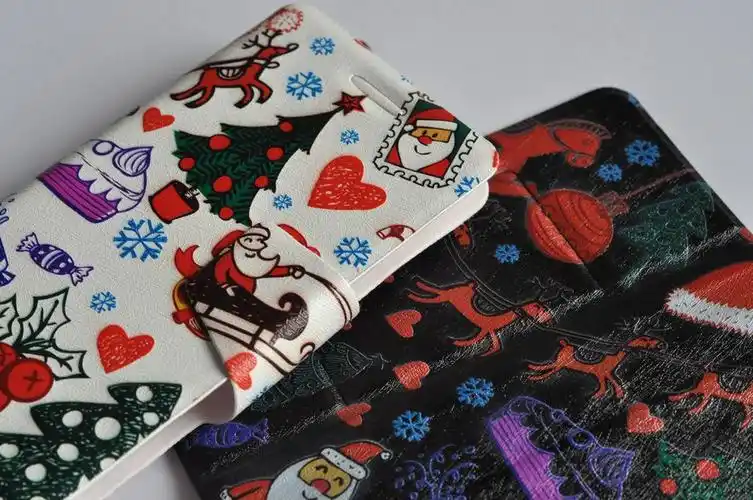
Leather phone case marking samples
3.Laser and Printing Technologies for Leather
3.1 CO₂ Laser Marking and Engraving (Primary Solution)
CO₂ lasers are the most widely used technology for leather processing.
Process Mechanism
The laser energy is absorbed by the organic material, causing:
surface carbonization
controlled burning
material removal (engraving)
Advantages
Strong absorption → stable results
Suitable for cutting, engraving, and marking
Good contrast (dark marking on light leather)
High efficiency for production
Process Characteristics
The final effect depends on:
power vs. speed balance
scanning density
focus position
Too much energy results in deep burns and rough edges, while insufficient energy leads to weak contrast.
Typical Applications
logos on leather goods
patterns on shoes and bags
embossing-like decorative effects
3.2 UV Laser Marking (High-End & Sensitive Materials)
UV lasers provide a different interaction mechanism compared to CO₂.
Process Mechanism
Reduced thermal impact
More controlled surface reaction
Advantages
minimal burning or carbonization
finer detail
suitable for coated or thin leather
When to Use
light-colored leather requiring clean marks
thin or delicate materials
applications where burning is unacceptable
Limitations
lower efficiency compared to CO₂
higher cost
3.3 UV Printing (Full-Color Decoration)
When the requirement goes beyond marking into visual design and branding, UV printing becomes essential.
Process Mechanism
ink deposition + UV curing
no material removal
Advantages
full-color images
gradients and photo-quality output
works on flat and some curved surfaces
Applications
fashion accessories
branded leather products
promotional items
Key Consideration
Adhesion depends on:
surface treatment
coating compatibility
In some cases, pre-treatment is required.
4.Process Selection Based on Application Goals
In real production, the correct solution is determined by the desired result rather than the machine type.
If the goal is permanent marking with natural appearance, CO₂ laser is typically the best choice. It produces a classic darkened effect that integrates well with leather texture.
If the priority is fine detail without burn marks, UV laser offers better control, especially on coated or thin materials.
If the requirement is visual impact or color branding, UV printing is the only viable solution.
For high-end products, hybrid approaches may also be used—for example, laser engraving combined with color filling or printing.
5.Batch Production and Automation Considerations
In industrial environments, leather marking is often part of a continuous production process rather than a standalone operation.
Manual positioning introduces variability and limits efficiency. To achieve consistent quality at scale, automation becomes necessary.
Vision + Conveyor System
A typical high-efficiency solution includes:
conveyor belt for continuous feeding
vision system for position recognition
automatic alignment and marking
Advantages
consistent marking position
reduced labor dependency
higher throughput
suitable for irregular shapes
Typical Use Cases
shoe upper marking
leather label production
batch logo processing
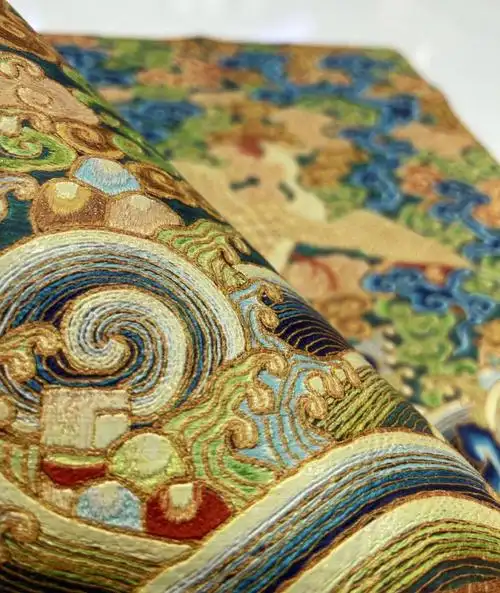
Leather Print Marking
6.Process Optimization in Practice
Achieving stable results on leather requires careful parameter control.
Energy Control
The balance between power and speed determines:
depth
color
edge quality
Heat Accumulation Management
Repeated passes or slow speeds can cause:
excessive burning
deformation
Material Testing
Even within the same category, leather varies significantly.
For this reason:
sample testing is essential before mass production
7.ZS Machinery Leather Marking Solutions
ZS Machinery provides application-oriented solutions for leather processing, including:
CO₂ laser systems for engraving and cutting
UV laser systems for high-precision marking
UV printing systems for full-color applications
For production environments, we also offer:
vision positioning systems
conveyor-based automation
customized fixtures
Our approach focuses on:
matching process to material
ensuring consistency
optimizing efficiency
Contact ZS Machinery today to get a free sample test and the most suitable leather marking solution for your application.