
Packaging And Consumer Industry
Marking in the packaging and consumer products industry is driven by speed, appearance, and flexibility. Unlike heavy industry, the focus is not only on permanence, but also on visual quality, production efficiency, and adaptability to different materials.
ZS Machinery provides marking solutions for a wide range of packaging materials and consumer products, helping manufacturers achieve clear identification, consistent branding, and efficient production line integration.
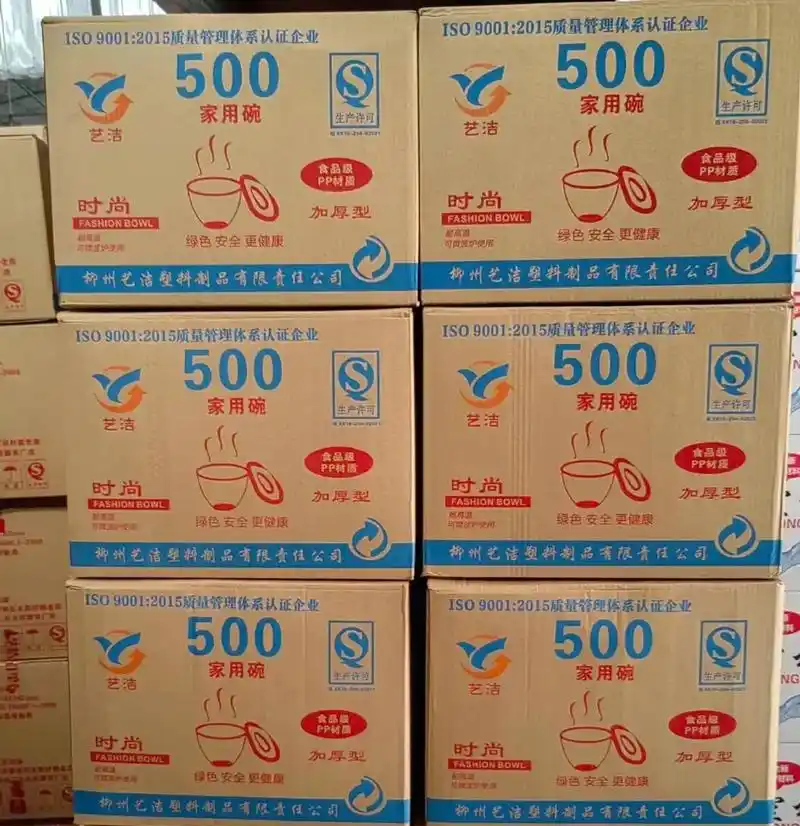
Marking on the surface of cardboard packaging
Packing And Consumer Industry Marking Requirements
Packaging and consumer product marking serves multiple purposes.
Product identification is essential for traceability, including batch numbers, production dates, and barcodes. At the same time, branding plays an important role, requiring logos and graphics to be clear and visually consistent.
In many cases, marking must be applied directly on finished products or packaging surfaces such as plastic, paper, glass, or coated materials. This requires flexibility in marking technology.
Production speed is another key factor. Marking systems must match high-speed production lines without affecting overall efficiency.
Key Challenges Of Marking On Packing And Consumer Products
1.One of the main challenges is material diversity.
Packaging can include plastics, paper, cardboard, glass, coated metals, and films. Each material reacts differently to marking methods.
2.Surface sensitivity is also important.
Many packaging materials are thin, heat-sensitive, or coated. Excessive heat or force can damage the surface or affect product quality.
3.Appearance requirements are higher compared to industrial marking.
Marks must be clean, high-contrast, and sometimes decorative. In some applications, color marking is required.
4.In addition, production environments often require continuous operation.
Marking systems must be stable, low-maintenance, and easy to integrate into automated lines.
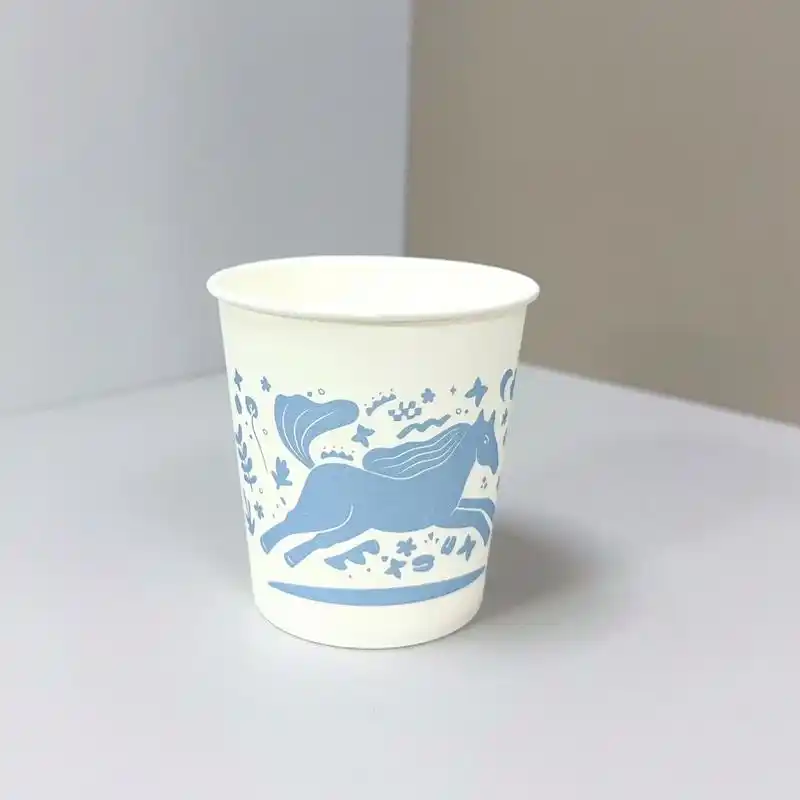
Marking on the side of paper cup
Recommended Marking Solutions By ZS Machinery
Different technologies are suitable for different packaging materials and production requirements. The selection should balance speed, quality, and material compatibility.
Technology Comparison
| Technology | Marking Type | Suitable Materials | Speed | Marking Effect | Typical Use Case |
| Fiber Laser Marking | Laser engraving | Plastics, coated metals | High | Permanent, high contrast | Logos, barcodes on plastic parts |
| CO2 Laser Marking | Thermal marking | Paper, cardboard, wood | High | Clean, slightly burned effect | Packaging boxes, cartons |
| UV Laser Marking | Cold marking | Plastics, films, sensitive materials | Medium / High | Fine, no damage | Cosmetic packaging, electronic products |
| UV Printing | Ink-based color printing | Plastic, glass, coated surfaces | Medium | Full color, high visual quality | Branding, decorative marking |
Fiber Laser Marking
Fiber laser marking is widely used for plastic and coated product marking. It provides high-speed and high-contrast results, making it suitable for serial numbers, barcodes, and logos.
It is often used in consumer electronics housings, plastic packaging components, and durable product surfaces where permanent marking is required.
CO2 Laser Marking
CO2 laser marking is particularly effective for organic materials such as paper, cardboard, and wood. It creates a clear mark by slightly burning the surface, resulting in good contrast.
This makes it suitable for carton marking, packaging boxes, and paper-based products. It is commonly used in high-speed packaging lines.
UV Laser Marking
UV laser marking is used when materials are sensitive to heat or when higher precision is required. It produces fine marks without causing thermal damage.
This is especially important in cosmetic packaging, food containers, and electronic product packaging where surface quality must be preserved.
UV Printing
UV printing is the preferred solution when visual appearance is the priority. It allows direct color printing on surfaces, including logos, images, and decorative elements.
It is widely used for consumer products, glass containers, and premium packaging where branding and design are important.
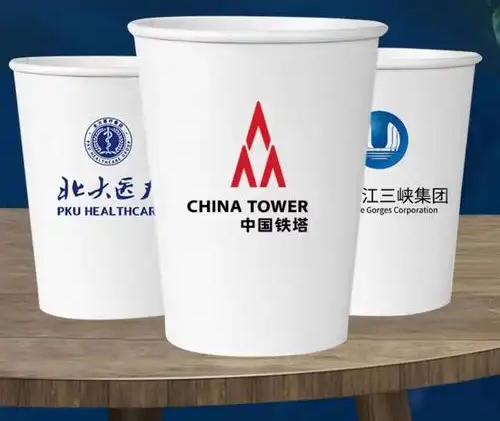
UV Printing Samples
How to Choose the Right Solution
Based on years of industry experience, ZS Machinery has compiled the following table, which you can use to make a preliminary selection.
| Application Condition | Recommended Solution | Reason |
| High-speed carton or paper packaging | CO2 Laser | Fast and suitable for organic materials |
| Plastic packaging with permanent coding | Fiber Laser | Durable and high contrast |
| Heat-sensitive or high-end packaging | UV Laser | No surface damage |
| Branding with color or graphics | UV Printing | Full-color capability |
Application Scenarios
In food and beverage packaging
Marking is used for date coding, batch numbers, and product information on cartons and containers.
In cosmetics and personal care products
Marking focuses on high-quality appearance, including fine text and logos on plastic or glass surfaces.
In consumer electronics
Marking is used for product identification, branding, and traceability on housings and components.
In retail packaging
Marking supports both functional identification and visual presentation.
ZS Machinery supports both standalone marking systems and integration into automated packaging lines to meet different production needs.
Conclusion And Call To Action
Marking in the packaging and consumer products industry requires a balance between efficiency, material compatibility, and visual quality. No single technology can meet all requirements.
CO2 laser is ideal for paper-based packaging, fiber laser is suitable for durable plastic marking, UV laser is preferred for sensitive materials, and UV printing provides flexibility for color and design.
Choosing the right marking solution can improve production efficiency, enhance product appearance, and ensure reliable identification throughout the product lifecycle.
Get the Right Solution for Your Application
If you are working with packaging or consumer products and need a suitable marking solution, we can help you evaluate your materials, production speed, and marking requirements.
Contact us to find the most practical and efficient solution for your application.