
Stainless Steel Marking Methods: How to Choose the Right Solution
Stainless steel is one of the most widely used metals across industries such as manufacturing, medical devices, automotive, and consumer products.Generally speaking, marking stainless steel is relatively simple compared to other metals because its surface hardness is not very high and its absorption of laser light is strong. Therefore, there are more marking options available. Let’s take a look at the characteristics of this material and how to meet different marking needs.
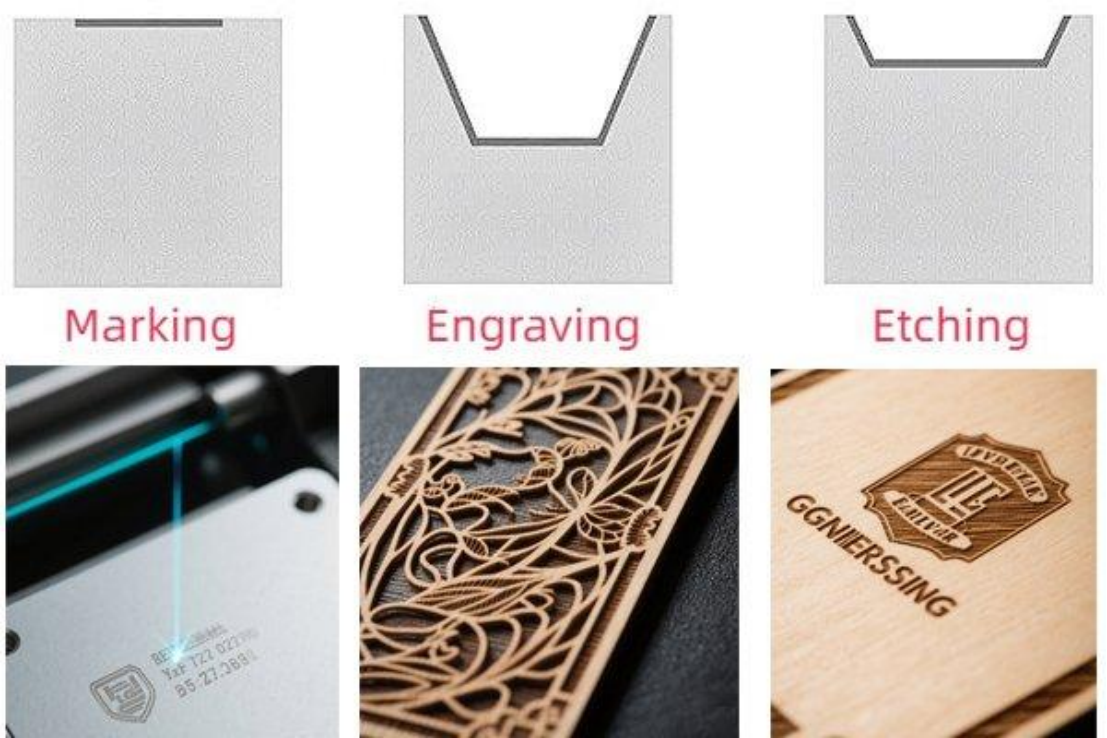
Different Marking Effects On Stainless Steel
Common Stainless Steel Marking Requirements
Different stainless steel products often require completely different marking effects.Such as surface marking, deep engraving, black marking, annealing marking, or even color marking.The following are some common marking needs of stainless steel.
1. Surface Marking On Stainless Steel
Surface marking is the most common stainless steel marking requirement in industrial manufacturing. It is widely used for product logos, serial numbers, QR codes, technical information, and traceability data. In many applications, the goal is to create clear and permanent marks while keeping the stainless steel surface as smooth and clean as possible.
This type of marking is commonly seen on stainless steel nameplates, electronic products, kitchenware, industrial components, and hardware products. Since many stainless steel products have brushed, polished, or decorative surfaces, manufacturers often pay close attention to marking contrast, readability, and overall appearance.
2. Deep Engraving on Stainless Steel
In some industrial environments, ordinary surface marking is not sufficient because the marked area may experience long-term wear, friction, painting, or sandblasting. In these situations, deeper engraving is required to ensure the marking remains visible throughout the product’s service life.
Deep engraving is commonly used for mechanical parts, mold identification, heavy equipment components, automotive parts, and steel structures. Compared with ordinary surface marking, deep engraving removes more material and creates a more noticeable depth on the stainless steel surface. In many industrial applications, this type of marking is closely related to permanent identification and product traceability requirements.
3. Black Marking on Stainless Steel
Black marking is widely used in industries that require both high contrast and a refined appearance. Unlike traditional engraving, black marking usually focuses on creating a dark and clear marking effect without significantly damaging the stainless steel surface.
This type of marking is especially common in medical devices, electronic products, control panels, precision tools, and high-end stainless steel products. Many manufacturers prefer black marking because it offers excellent readability while maintaining a smoother surface finish and better visual quality compared with standard engraving methods.
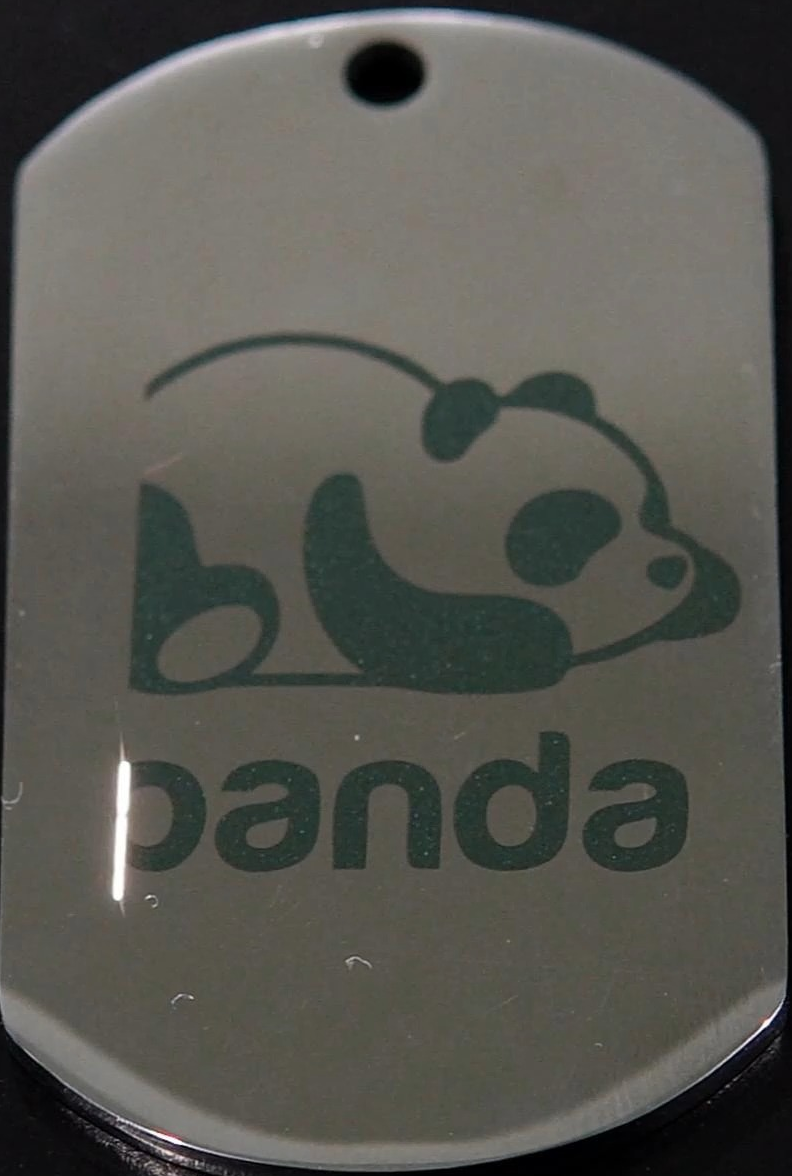
Marking On Stainless Steel Plates
4. Color Marking on Stainless Steel
Color marking is one of the more advanced stainless steel marking applications. By controlling heat and oxidation on the stainless steel surface, different colors can be generated directly on the material without using ink or additional coatings.
This process is often used for decorative products, branding, customized metal products, and consumer electronics where visual appearance is important. Compared with ordinary black or white marking, color marking requires more stable processing conditions because even small parameter changes can affect the final color consistency and surface effect.
Stainless Steel Marking Methods (Complete Guide)
Due to its properties, stainless steel offers a variety of marking options for surface engraving. Below is a summary of common stainless steel marking options.
1.Fiber Laser Marking
Since stainless steel can absorb laser light very well. An ordinary laser marking machine can be used for marking and engraving to achieve the follwing effects:
Black marking (annealing)
White / gray marking
Deep engraving
Surface etching
It is suitable for most stainless steel types and can achieve permanent marking and based on different machine types,it is idea for batch production.
⚠ Considerations:
Mirror or highly reflective surfaces require testing
Black marking depends heavily on parameter control
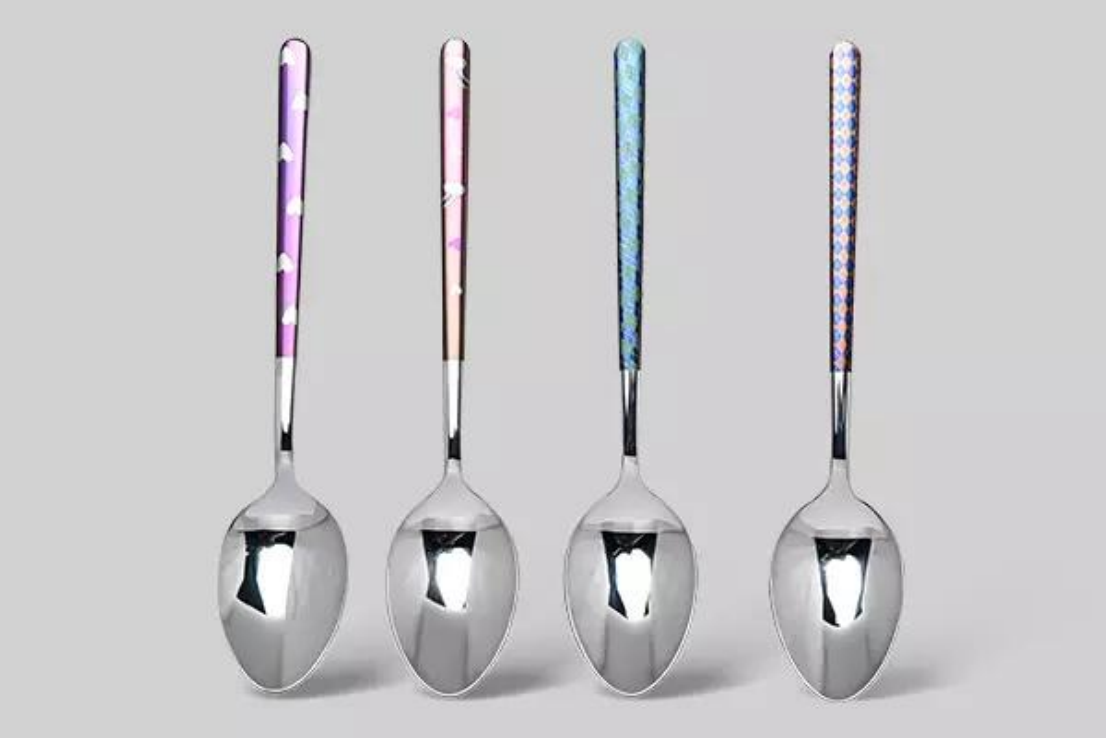
Marking On Stainless Steel Spools
2.MOPA Laser Color Marking
Compared with standard fiber lasers, MOPA lasers (Master Oscillator Power Amplifier) offer adjustable pulse width and a wider frequency range. This allows the laser to control heat input more precisely during the marking process, making it possible to create more stable surface reactions on stainless steel.
The working principle of stainless steel color marking is not based on ink or pigments. Instead, the laser precisely controls the heat applied to the stainless steel surface, creating an extremely thin oxide layer. When light reflects from oxide layers with different thicknesses, optical interference occurs, producing visible color effects.
Different laser parameters will generate different oxide film thicknesses, which is why different colors can appear on the stainless steel surface.Common colors include:
Blue
Gold
Purple
Red
Green
Rainbow effects

MOPA Laser On Stainless Steel
Because of its unique visual effects and premium appearance, MOPA laser color marking has become an increasingly important process in high-end stainless steel applications.
3.UV Laser Marking
UV laser marking is another specialized marking method used for stainless steel applications that require extremely fine details, minimal thermal effect, and high surface precision.
Unlike fiber lasers that mainly rely on thermal energy for marking, UV lasers use a shorter wavelength (typically 355nm), allowing the laser energy to interact with the material surface more precisely. When marking stainless steel, UV lasers generate much smaller heat affected zones compared with traditional fiber lasers. This helps reduce:
Surface burning
Oxidation
Material deformation
Excessive heat discoloration
However, because UV laser power is generally low, it can only achieve shallow marking on the surface of stainless steel.In practical applications, UV laser marking is often selected when manufacturers need:
Extremely small marking sizes
High-definition graphics
Minimal thermal influence
High surface quality
Delicate precision marking
4.Dot Peen Marking
Dot peen marking is a mechanical impact marking method widely used for permanent identification on metal surfaces, especially in industrial environments where marking depth and durability are more important than visual appearance.
The working principle is based on a hard stylus (usually carbide or diamond tip) that repeatedly impacts the surface of the metal under pneumatic or electromagnetic control. These continuous micro-impacts form a series of dots, which together create characters, serial numbers, VIN codes, or other identification information.Compared with laser marking, dot peen marking is a purely mechanical process.
Typical marking applications include:
Automotive frame numbers (VIN codes)
Heavy equipment components
Steel structures
Industrial machinery parts
Outdoor metal assets
However, since it is a mechanical impact process, it also has some limitations. The marking process is relatively noisy, and the final appearance is rough compared with laser marking. In addition, the marking speed is generally slower, especially when processing complex characters or large marking areas.
Because of these characteristics, dot peen marking is mainly chosen for applications where durability, depth, and cost efficiency are more important than visual quality, especially in outdoor or heavy industrial environments.
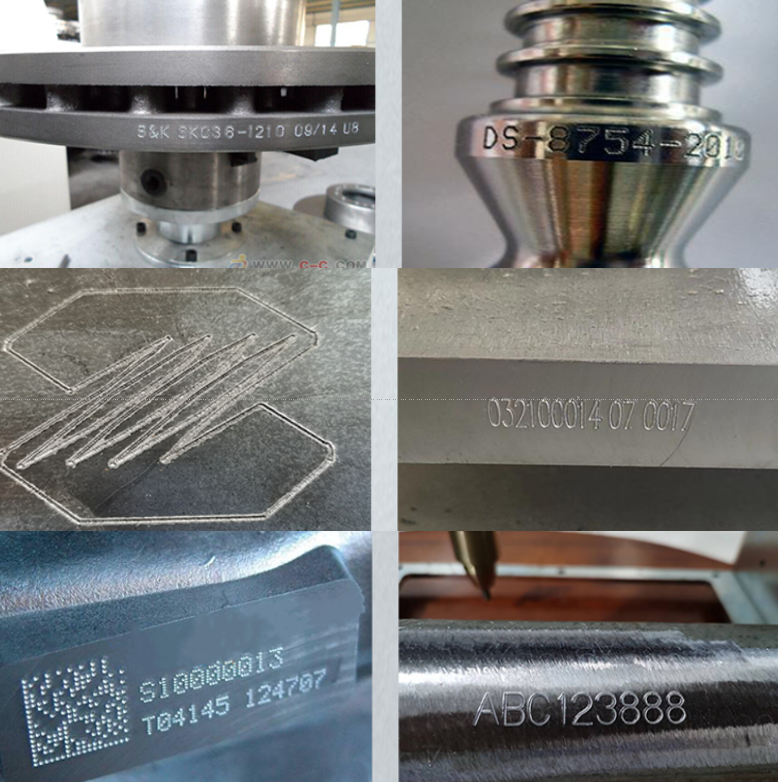
Dot Peen Marking Samples
5.Chemical Etching
Chemical etching is a traditional metal marking method that uses chemical reactions to remove material from the stainless steel surface, forming permanent patterns, text, or graphics. Before laser marking became widely adopted, chemical etching was commonly used for industrial nameplates and decorative metal parts.
The process typically involves applying a protective mask or resist layer on the stainless steel surface, then exposing selected areas to chemical solutions. The exposed metal reacts with the chemical agent and is gradually dissolved, forming the required pattern or engraving.
Typical applications include:
Stainless steel nameplates
Control panels
Decorative metal sheets
Industrial labels
Instrument panels
However, chemical etching also has several significant limitations. The process involves chemical substances that may cause environmental pollution and require proper waste treatment. In addition, the overall workflow is relatively complex, involving masking, exposure, etching, cleaning, and post-processing steps, which increases production time and operational cost.
Because of these limitations, chemical etching has gradually been replaced by modern laser marking technologies in many industries. Laser systems offer a cleaner, faster, and more flexible alternative without the need for consumables or chemical handling, making them more suitable for modern manufacturing environments.
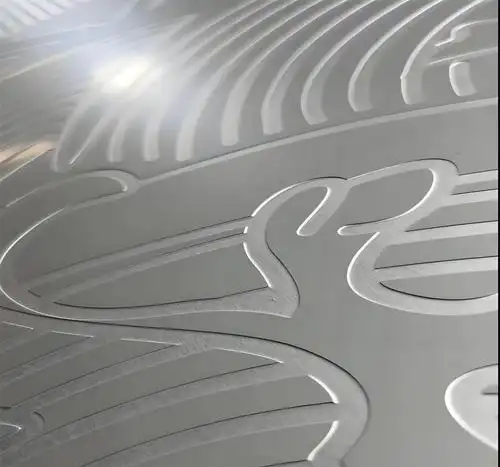
Chemical etching of stainless steel plates
6.Inkjet / UV Printing on Metal
✔ Achievable Effects:
Full-color printing
Photo-quality images
✔ Advantages:
Rich colors
Flexible design
Limitations:
Not permanent
Lower wear resistance
✔ Typical Applications:
Decorative panels
Advertising signs
Best for visual display, not for permanent marking
How to Choose the Right Stainless Steel Marking Method
Instead of focusing on machines, you should choose based on your actual application needs:
| Requirement | Recommended Method |
| Deep engraving | Fiber laser (high power) / Dot peen |
| Black high-contrast marking | Fiber laser / MOPA |
| Color marking | MOPA laser |
| Precision marking | UV laser |
| Large workpieces | Portable fiber / Dot peen |
| Decorative full-color | UV printing |
Final Insight
Stainless steel marking is essentially about balancing three core needs:
Depth → Fiber Laser / Dot Peen
Precision → UV Laser
Appearance (Black / Color) → Fiber / MOPA
There is no single best method—only the most suitable one for your application.
Get the Right Solution
With extensive experience in stainless steel marking across industries, ZS Machinery can help you select the most suitable solution based on your material, marking requirements, and production conditions.
Contact us to get a customized marking solution.