
-
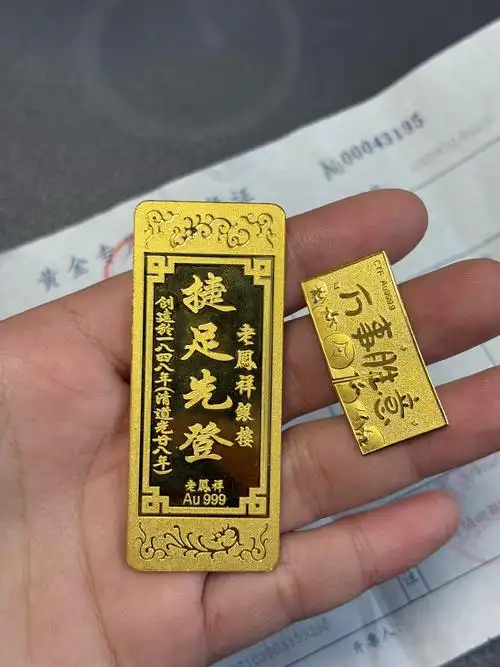
Gold Marking Solutions
Gold is a high-value precious metal widely used in jewelry, investment products, electronics, and luxury goods. Compared with common metals, gold marking requires not only precision and aesthetics ...
-

Laser Marking Brass Guide:Analysis of difficulties and recommended solutions
Brass is widely used in hardware fittings, bathroom products, musical instruments, electronic components, nameplates, decorative crafts, jewelry, valves, and mechanical parts due to its ...
-
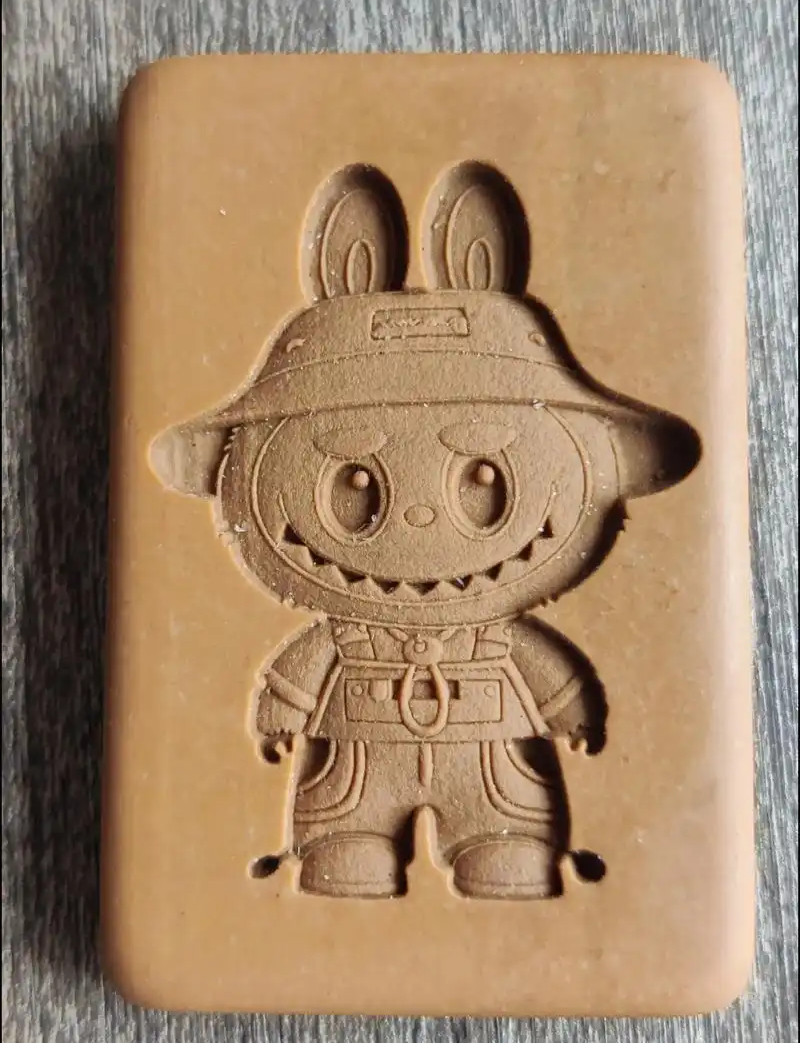
Stone Marking and Engraving Solutions: A Practical Guide Centered on CO₂ Laser Processing
Stone is a unique material category in industrial marking and engraving. Unlike metals or plastics, it is non-homogeneous, brittle, and thermally unstable at the micro level, which makes the inter ...
-
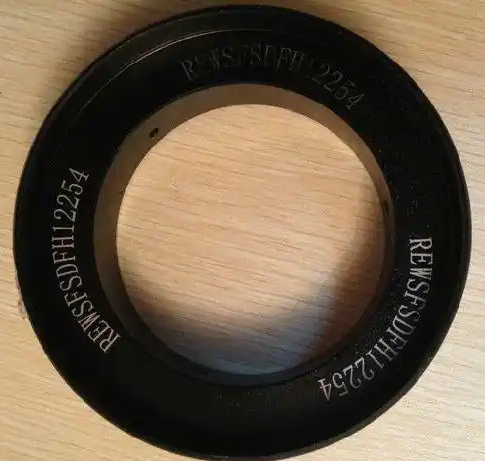
Rubber Marking Solutions: Laser Marking, Engraving and UV Printing Guide
Rubber materials are widely used in industries such as automotive, electronics, seals, medical devices, and promotional products. Due to their flexibility and complex composition, rubber is more c ...
-
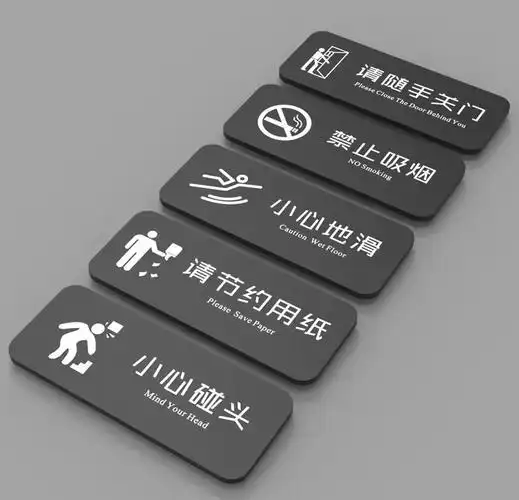
Acrylic Marking And Engraving Solutions: Deep Technical Guide for Laser and UV Printing
Acrylic (PMMA) is one of the most versatile materials in modern manufacturing, widely used in signage, advertising displays, lighting systems, electronics, and decorative products.
While acrylic ... -
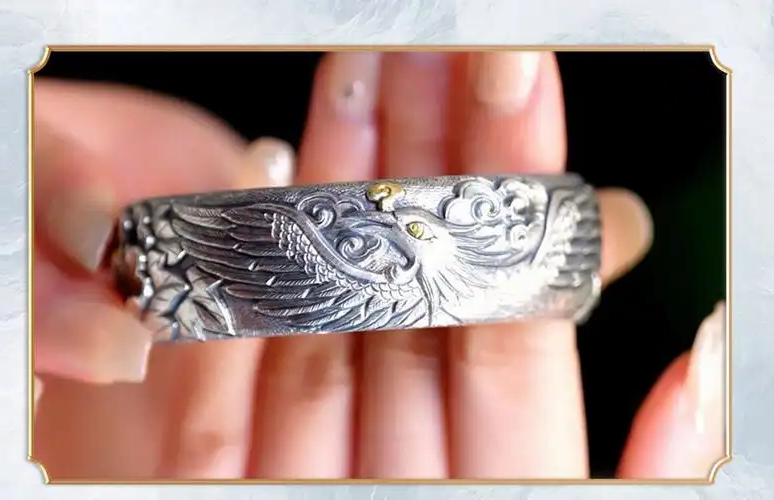
Silver Marking And Engraving Solutions: Precision Laser Processing for High-Value Metals
Silver is a widely used precious metal in industries such as jewelry, tableware, electronics, and investment products. Compared with common metals, silver presents unique challenges due to its hig ...
-
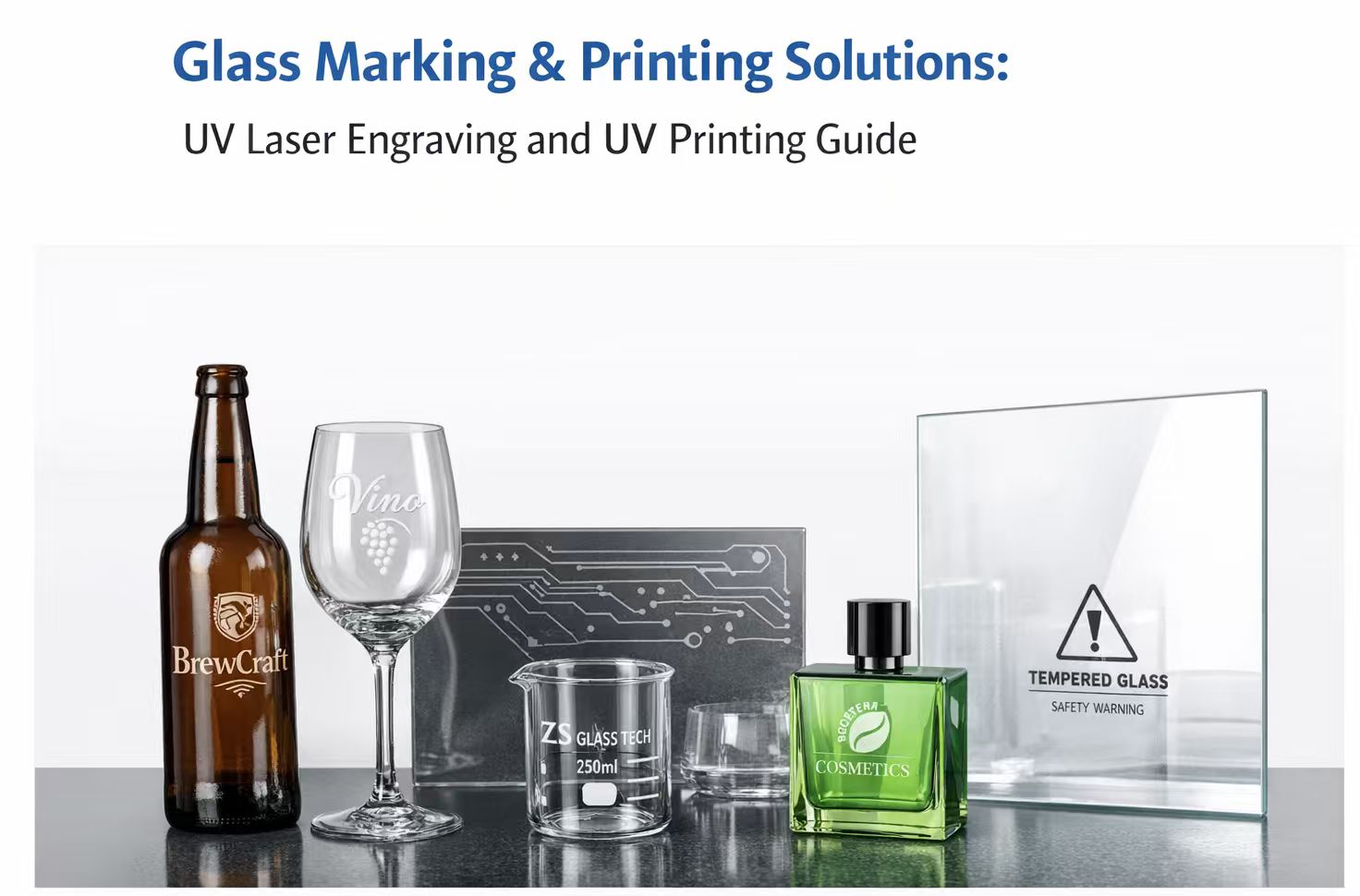
Glass Marking And Printing Solutions: UV Laser Engraving and UV Printing Guide
Glass marking is widely used in industries such as packaging, homeware, electronics, lighting, and decoration. While it offers excellent transparency and aesthetic value, it is also one of the mos ...
-
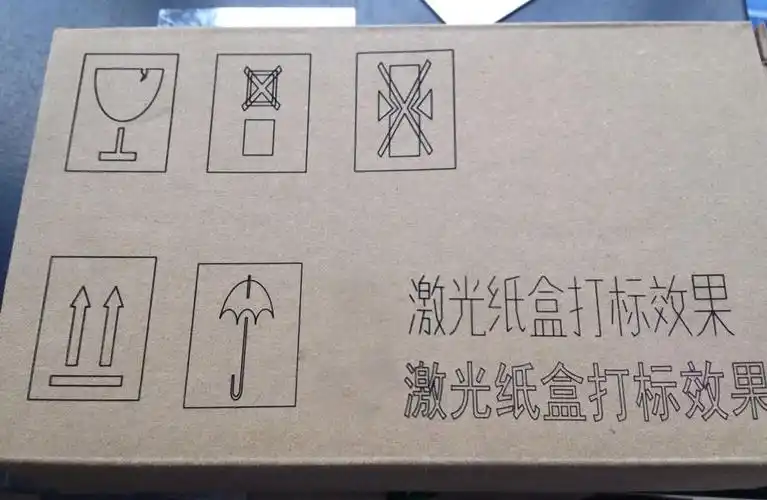
Paper And Cardboard Marking Solutions
Paper and cardboard materials are widely used in industries such as packaging, labeling, printing, food, pharmaceuticals, and logistics. Unlike rigid materials, paper-based products are lightweigh ...
-
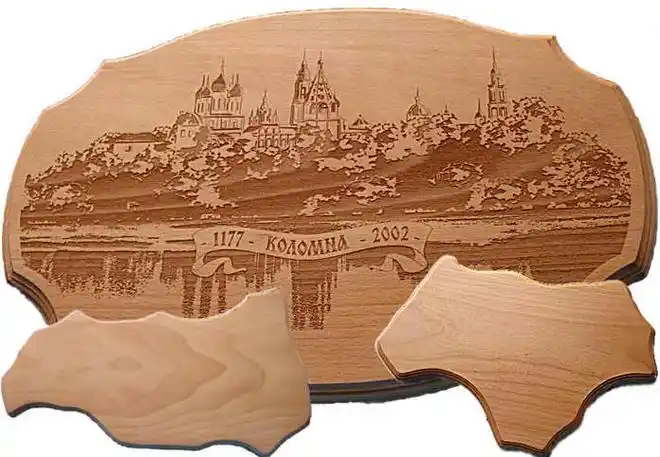
Wood Marking And Engraving
Wood is one of the most widely used materials in industries such as furniture, packaging, crafts, signage, and promotional products. Compared with metals or plastics, wood offers a natural texture ...
-
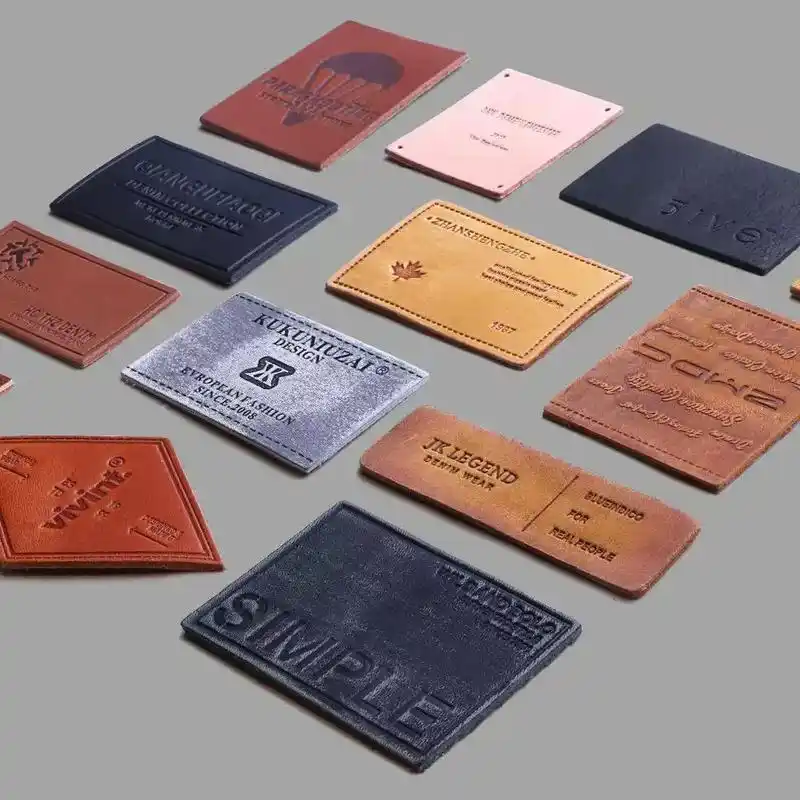
Leather Marking And Printing
Leather marking is widely used in industries such as fashion, footwear, automotive interiors, furniture, and accessories. Compared with metals or plastics, leather is a natural or semi-synthetic m ...
-
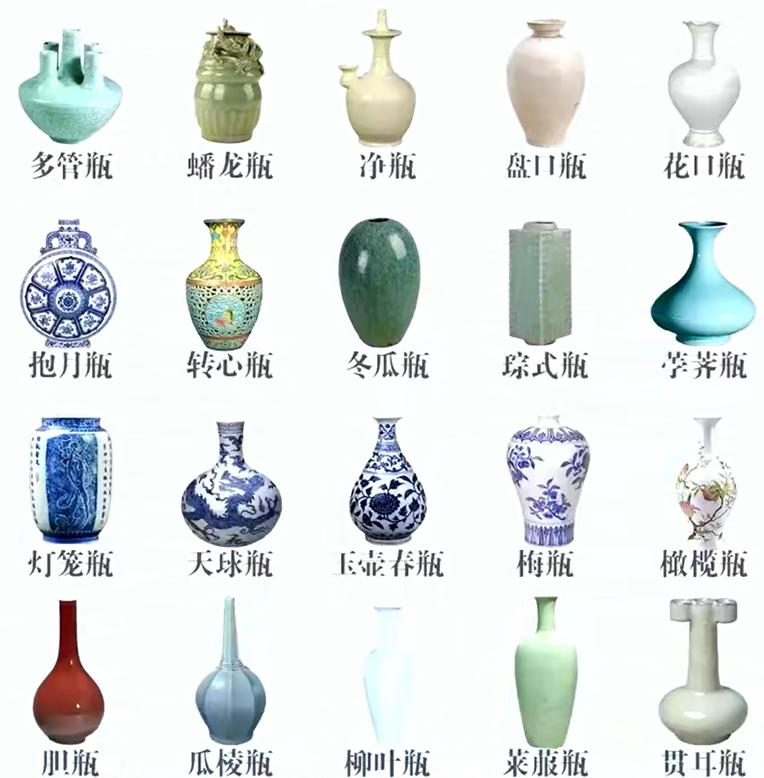
Ceramic Materials Marking
Ceramic materials are widely used across consumer and industrial sectors, from tableware and decorative tiles to electronic substrates and high-performance components. While laser marking is often ...
-
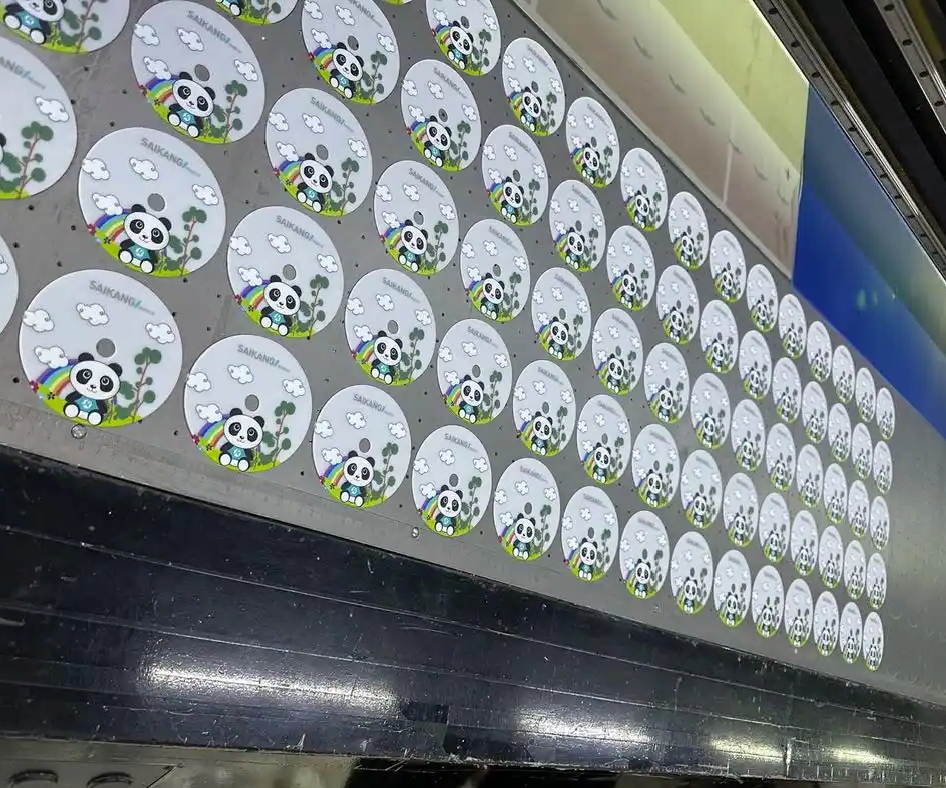
Plastic Marking Solutions
Plastic marking is widely used in electronics, packaging, medical devices, automotive parts, and consumer products.However, unlike metal, plastics vary greatly in composition and heat sensitivity, ...
-
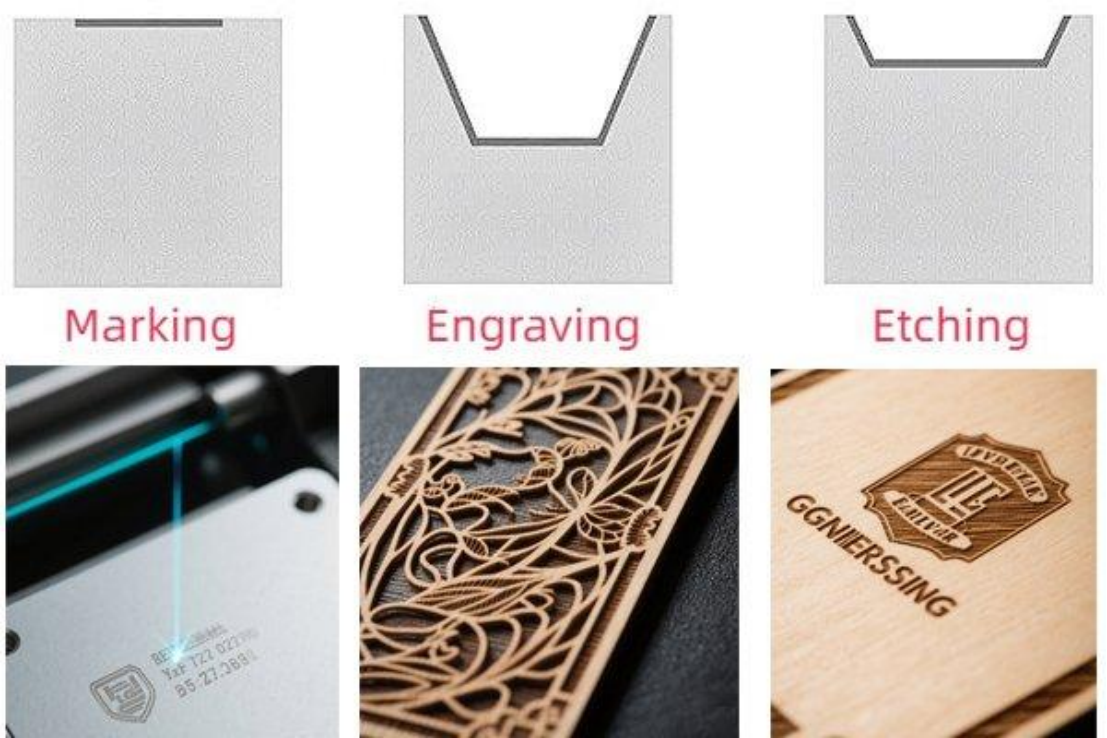
Stainless Steel Marking Methods: How to Choose the Right Solution
Stainless steel is one of the most widely used metals across industries such as manufacturing, medical devices, automotive, and consumer products.Generally speaking, marking stainless steel is rel ...
-
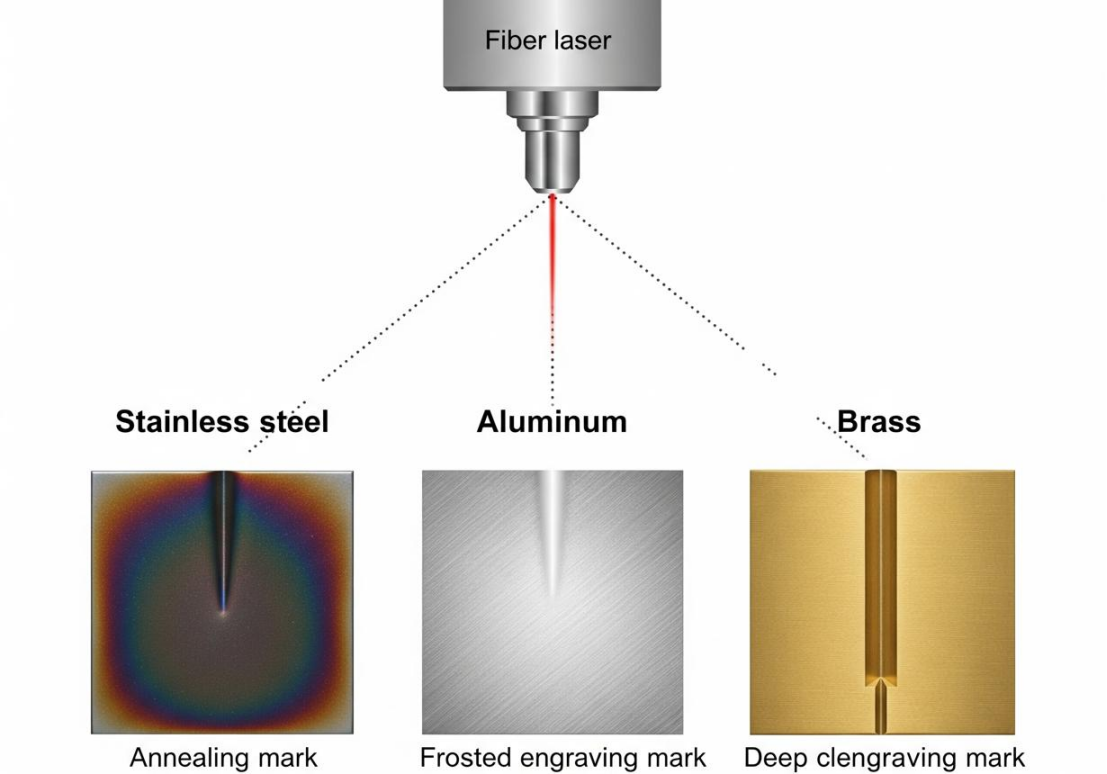
Metal Marking
Metal marking is widely used across industries such as manufacturing, automotive, energy, aerospace, and heavy equipment. From serial numbers and QR codes to logos and technical data, marking on m ...
-
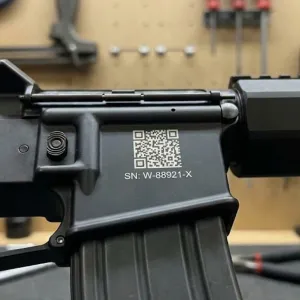
Marking Solutions in the Defense Industry
Marking in the defense industry is not just about identification—it is a critical part of product traceability, quality control, and lifecycle management. Components used in military environments ...
-
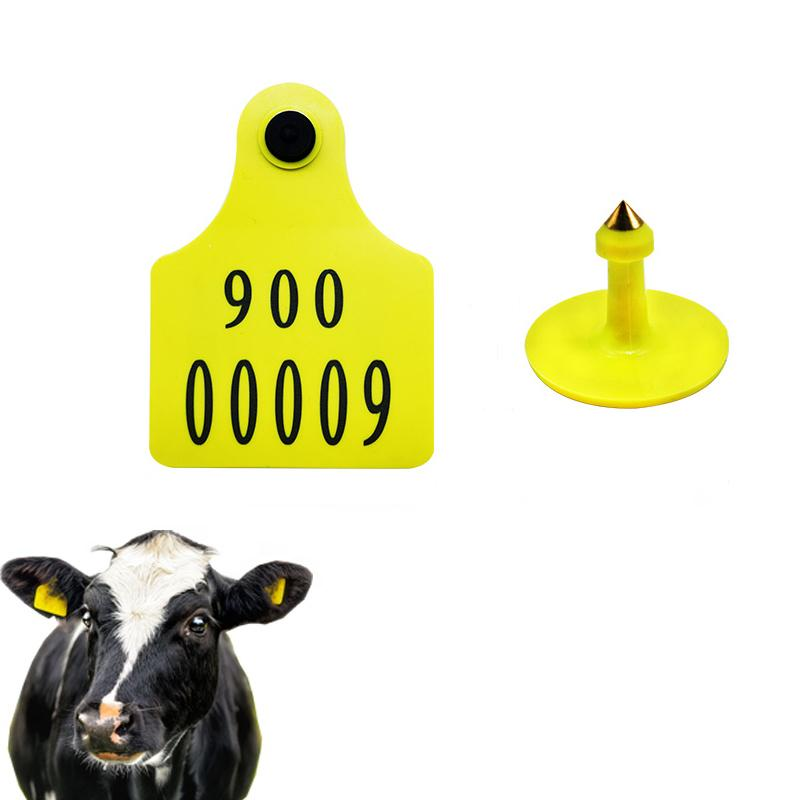
Animal Ear Tag Laser Marking Solutions
Animal ear tags are widely used in livestock management, including cattle, sheep, and pigs, for identification, disease tracking, and data management. With the growth of large-scale farming, ear t ...
-
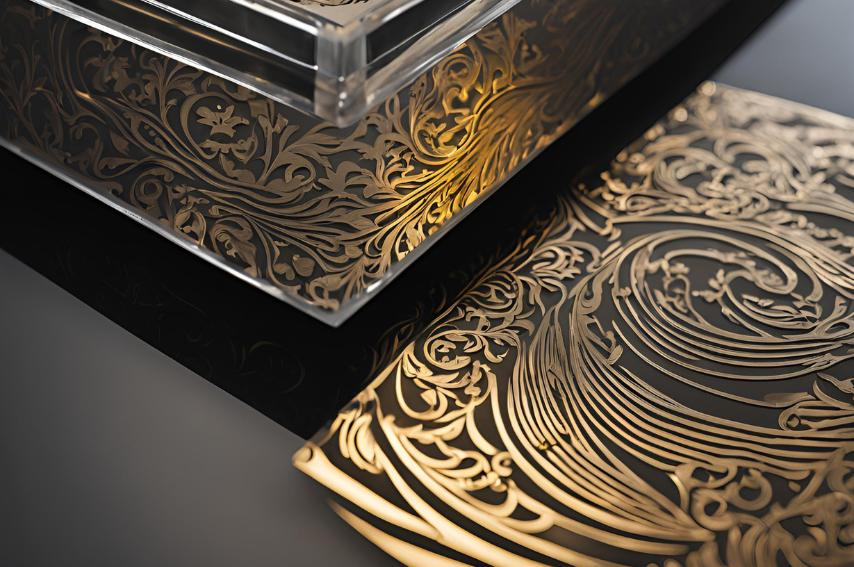
Jewelry And Crafts Industry Marking
Marking in the jewelry and crafts industry is usually about design, personalization, and artistic expression. Compared with industrial marking, this field requires higher precision, better surface ...
-
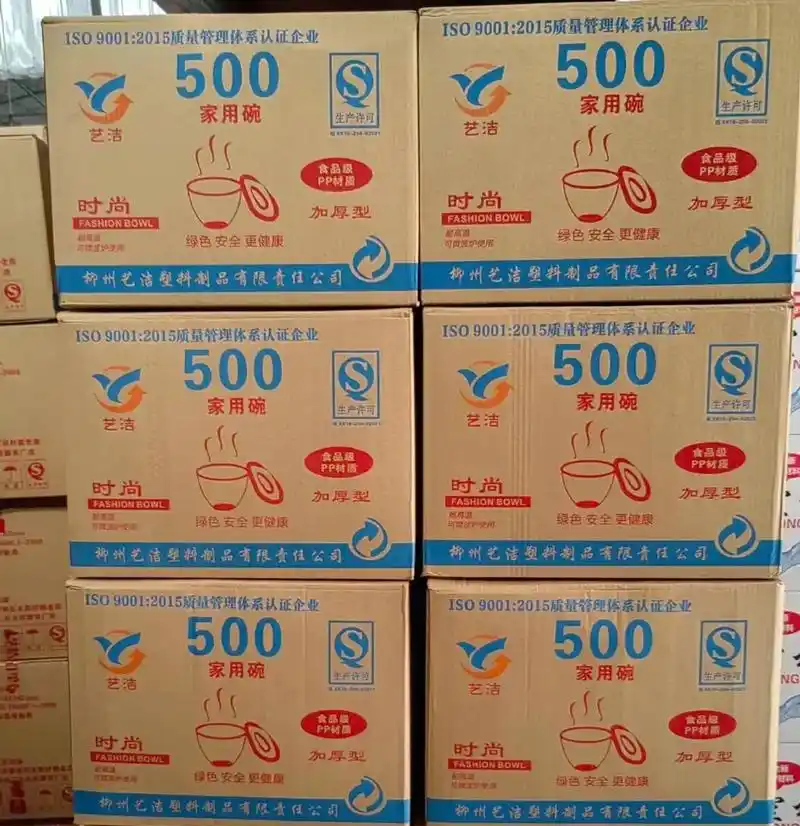
Packaging And Consumer Industry
Marking in the packaging and consumer products industry is driven by speed, appearance, and flexibility. Unlike heavy industry, the focus is not only on permanence, but also on visual quality, pro ...
-
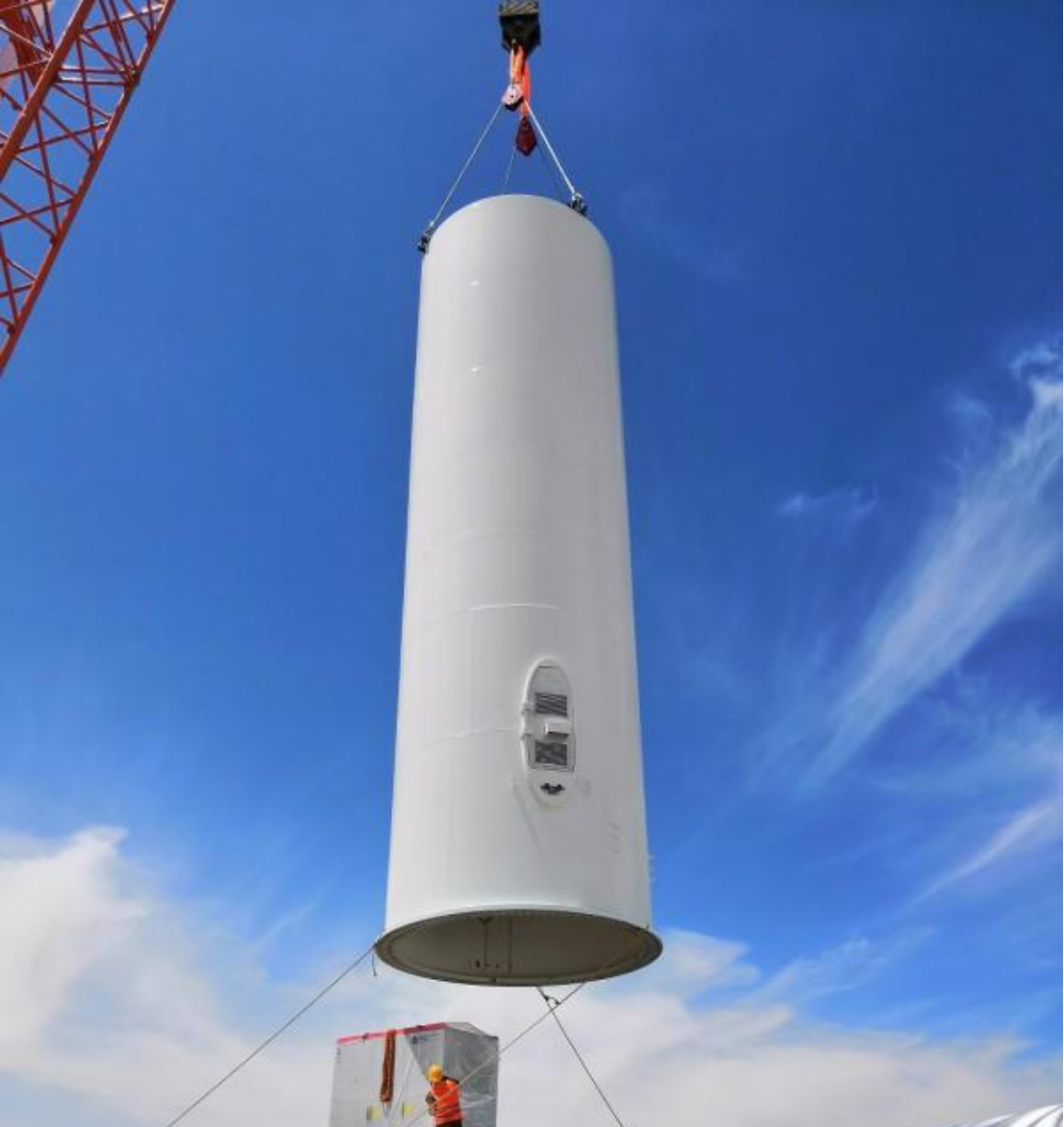
Energy Industry
Industrial marking in the energy industry requires a different approach compared to general manufacturing. Components are often large, exposed to harsh environments, and subject to strict traceabi ...
-
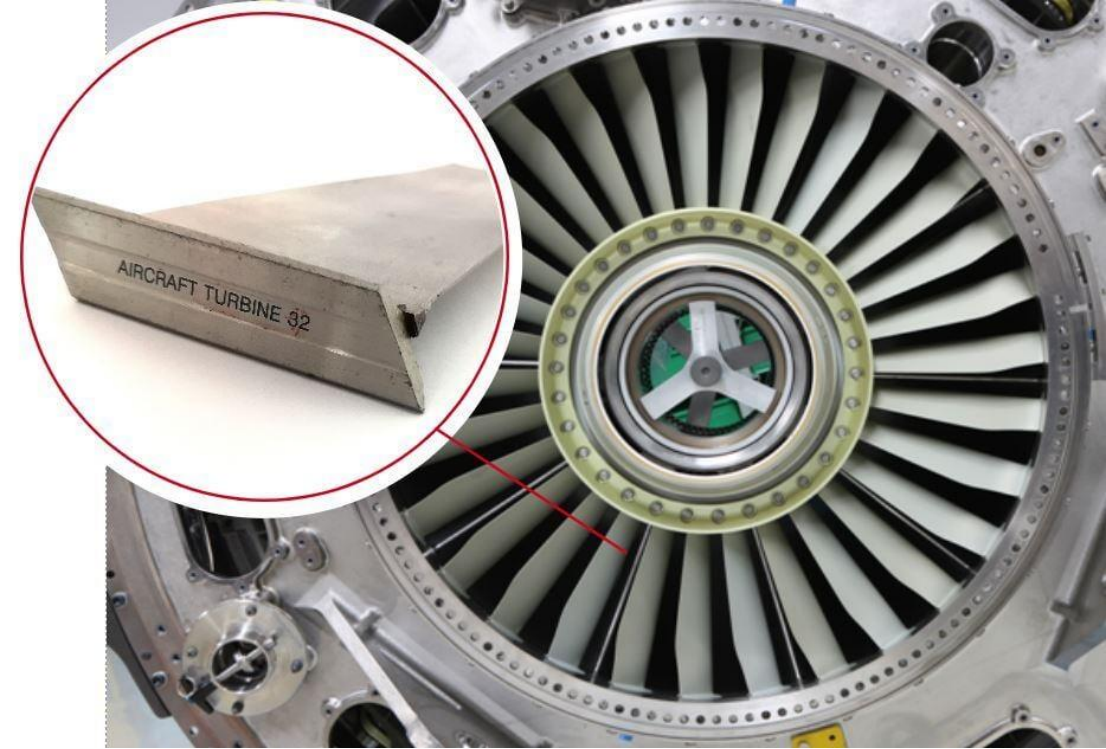
Aerospace And Precision Engineering Industry
In the aerospace and precision engineering industry, marking is a mission-critical process. Every component must be permanently identified to ensure traceability, safety compliance, and lifecycle ...