Electronics & Electrical Industry Marking
As the electronics industry continues to advance toward higher integration, smaller device sizes, and more complex system architectures, manufacturing requirements for precision, traceability, and process reliability are becoming increasingly strict. From semiconductor chips and PCBs to connectors and finished electronic assemblies, every component must be clearly and permanently identified throughout its lifecycle to ensure efficient production management, quality control, and regulatory compliance.
In this context, laser marking technology has become the industry standard solution. With its non-contact processing, high-resolution capability, and permanent marking quality, it enables manufacturers to achieve stable, precise, and durable identification across a wide range of electronic materials and components—even under the constraints of micro-scale structures and high-speed production environments.
Marking Requirements in Electronics Manufacturing
In modern electronics production, marking is not just labeling—it is part of the product lifecycle management system.There are strict requirements of marking electronics parts including:
Traceability: Serial numbers, QR codes, and barcodes for full production tracking
Miniaturization: Ultra-fine markings on tiny components
Non-damage processing: Avoid thermal or mechanical damage to sensitive parts
Durability: Resistance to heat, chemicals, and wear
Anti-counterfeiting: Permanent and tamper-proof identification
Traditional methods like ink printing or labeling often fail to meet these requirements.
Typical Applications Of Electronics & Electrical Marking
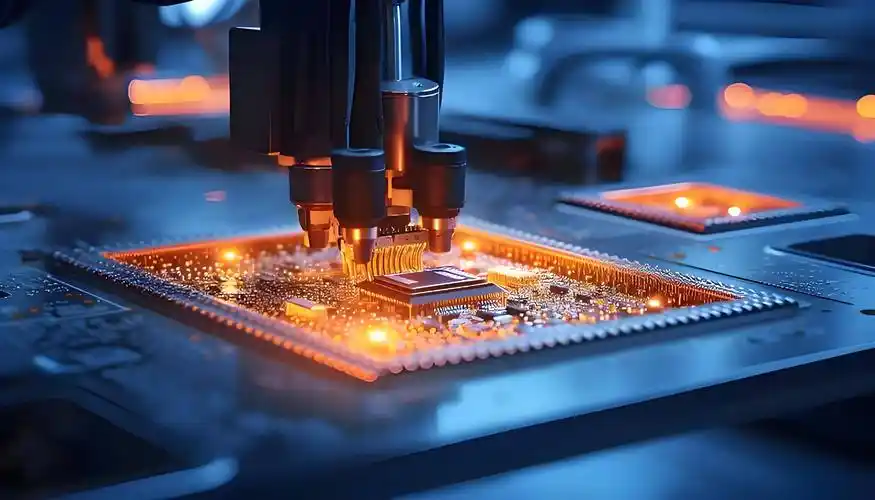
Laser marking in the electronics industry
Key Challenges in Electronics Marking
Heat Sensitivity
Electronic components are extremely sensitive to thermal effects, and even slight overheating during marking can lead to serious issues such as material deformation, circuit damage, or complete functional failure. Therefore, precise control of laser energy and processing parameters is essential to ensure safe and stable marking.
Miniaturization
With the continuous trend toward smaller and more integrated electronic devices, marking areas are becoming extremely limited. This requires highly accurate optical systems and advanced motion control to achieve clear and readable markings on micro-scale surfaces without affecting surrounding structures.
Material Diversity
Electronics manufacturing involves a wide variety of materials, each responding differently to laser energy. Plastics may melt, burn, or discolor under improper settings, while metals often require different laser parameters or marking strategies to achieve optimal contrast and depth.
High-Speed Production
Modern electronics production lines operate at very high speeds, requiring laser marking systems to maintain both efficiency and precision. The challenge lies in achieving fast processing cycles without compromising marking quality, consistency, or traceability performance.
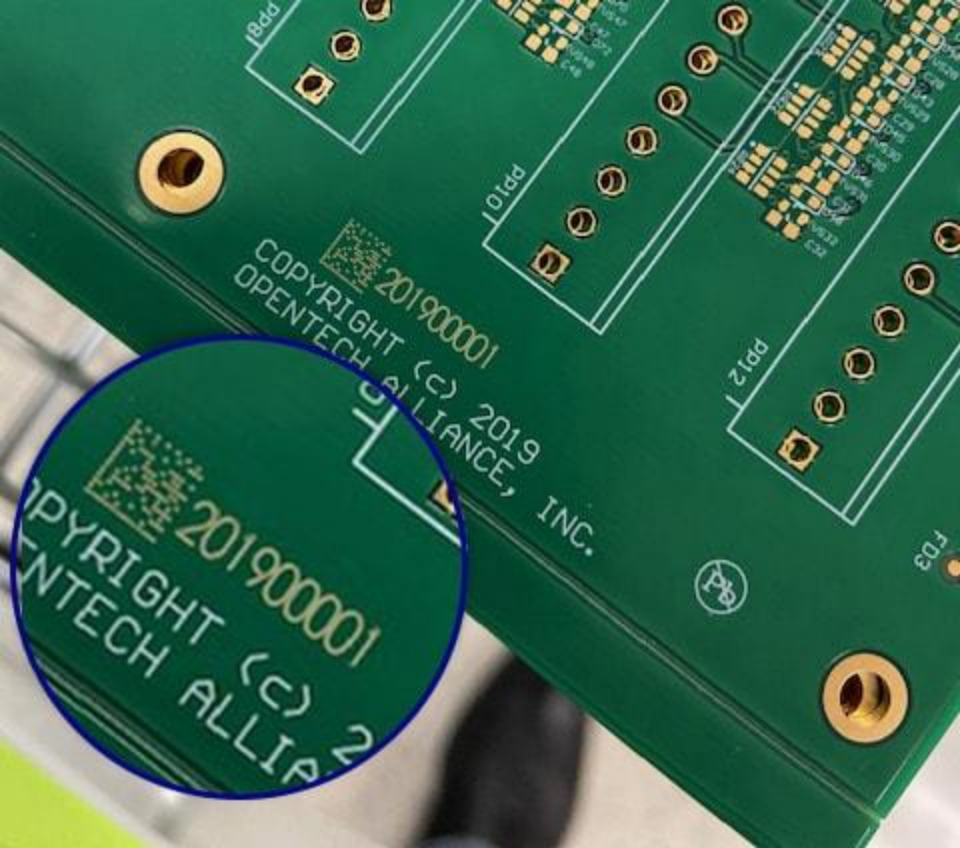
PCB marking in the electronics industry
Recommended Marking Solutions
Choosing the right marking solution depends on material type, precision requirements, and thermal sensitivity.Here are some recommend marking solutions base on our more than ten years experience:
UV Laser Marking Machines
UV laser is ideal for PCBs, chips, and delicate plastics.It has ultra-short wavelength ensures minimal heat impact.So produces high-resolution, micro-scale markings
Best for: microelectronics, semiconductors, precision components
Fiber Laser Marking Machines
Fiber laser marking machines is another choice,it’s suitable for metal parts and some engineering plastics.The marking speed of fiber laser is faster and the use life is longer than UV laser.They are capable of engraving, annealing, and deep marking
Best for: connectors, shields, metal housings
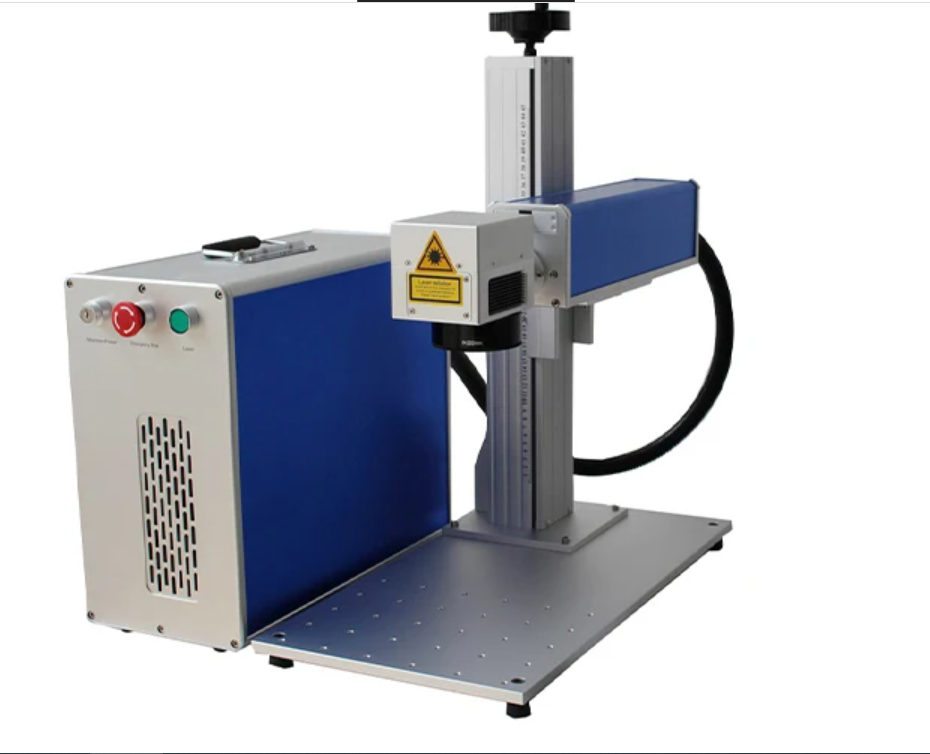
30W Fiber Laser Marking Machine
Advantages of Laser Marking for Electronics
Compared with traditional marking methods, laser technology offers:
Non-contact processing (no mechanical stress)
Permanent, high-contrast markings
High precision for micro components
Environmentally friendly (no ink or consumables)
Easy integration into automated production lines
Why Choose ZS Machinery
ZS Machinery provides customized marking solutions for the electronics industry:
Wide range of laser systems (UV, Fiber, CO₂)
Tailored solutions for different materials and applications
Support for automated production lines
Sample testing and process optimization
Stable performance with international certifications (CE, ISO)
One-year warranty for the whole machine, extended warranty for core components
Conclusion
As electronics continue to evolve toward smaller, faster, and more complex designs, marking technology must keep pace.Laser marking has become an essential tool for ensuring:
Product traceability
Quality control
Brand protection
With the right system and process, manufacturers can achieve high efficiency, precision, and long-term reliability.
Contact ZS Machinery now for a complete one-stop solution for marking in the electronics industry.