Marking Solutions in the Defense Industry
Marking in the defense industry is not just about identification—it is a critical part of product traceability, quality control, and lifecycle management. Components used in military environments must be clearly marked, permanently identifiable, and resistant to extreme conditions.
From firearms and tactical equipment to aerospace components and military electronics, marking methods must adapt to different materials, environments, and production scales. Choosing the right marking solution is essential for both compliance and efficiency.
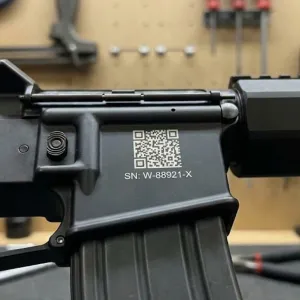
Weapon laser marking
Industry Requirements
Defense applications impose stricter requirements than most industrial sectors.
Durability is the first priority.
Markings must remain readable after exposure to abrasion, chemicals, high temperatures, and outdoor conditions.
Traceability is essential.
Each part often requires unique identification such as serial numbers, UID codes, or QR codes for tracking and management.
Precision is also critical.
Many components are small, complex, and high-value, requiring fine and accurate marking without damaging the surface.
In addition, consistency is important, especially in batch production where every mark must meet the same standard.
Common Marking Applications
1.Firearms and Weapon Components
Firearms and related components require permanent marking for identification and compliance.
Typical requirements include:
Deep and wear-resistant serial numbers
High-contrast markings on metal surfaces
Resistance to corrosion and friction
Recommended solution:
Fiber laser marking is the most suitable due to its ability to create permanent, high-contrast and deep engravings on metals such as steel and aluminum.
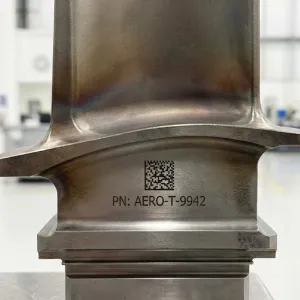
Military industry marking cases
2.Aerospace and Structural Components
Military aerospace parts are typically made from aluminum alloys, titanium, and other high-performance materials.
Marking requirements include:
High precision without material deformation
Permanent identification for lifecycle tracking
Compatibility with coated or treated surfaces
Recommended solution:
Fiber laser for metals, especially when durability is required
UV laser marking for sensitive or coated surfaces where heat must be minimized
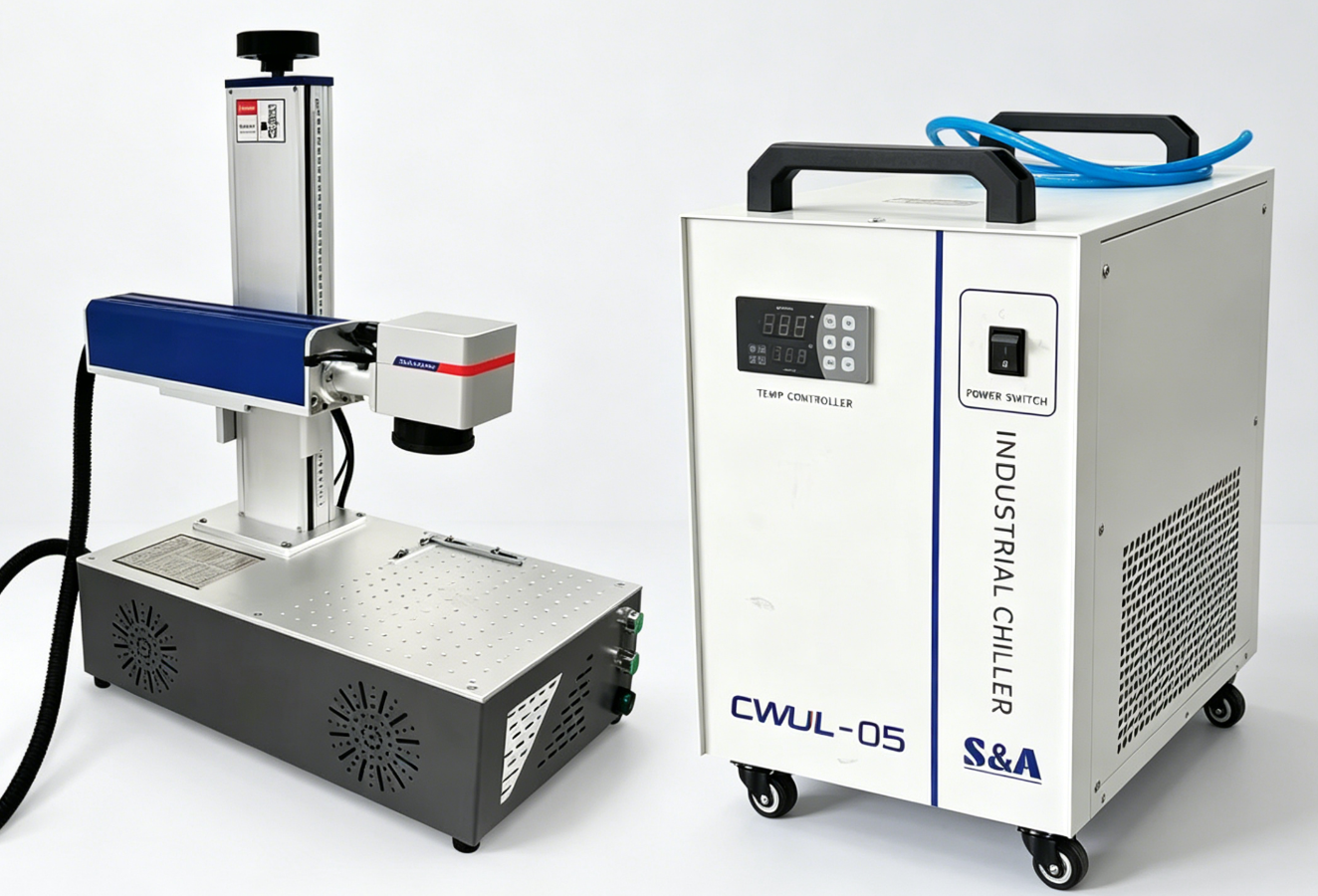
ZS Machinery UV Laser Marking Machine
3.Military Electronics and Components
Electronic components and connectors require fine, high-density marking.
Typical requirements:
Small-sized QR codes or Data Matrix codes
No thermal damage to sensitive materials
Clear readability for scanning systems
Recommended solution:
UV laser marking is ideal due to its minimal heat impact and high precision.
4.Equipment Nameplates and Labels
Military equipment often uses nameplates for specifications, warnings, and identification.
Requirements include:
Clear and readable text
Resistance to outdoor environments
Long-term durability
Recommended solution:
Fiber laser for metal plates
CO₂ laser or UV laser for non-metal materials
5.Cables, Pipes, and Field Equipment
Cables, pipelines, and large equipment used in military operations require visible and durable marking.
Requirements include:
Marking on curved or irregular surfaces
Resistance to harsh environments
Flexibility for on-site marking
Recommended solution:
Portable marking machines, such as handheld dot peen markers or portable laser marking machines, are ideal for field operations and large components.
Different Marking Technology Comparison
| Marking Method | Suitable Materials | Advantages | Typical Use |
| Fiber Laser | Metals | Durable, high contrast, deep marking | Weapons, aerospace parts |
| UV Laser | Plastics, coated materials | High precision, no damage | Electronics, sensitive parts |
| CO₂ Laser | Non-metals | Good for organic materials | Labels, packaging |
| Dot Peen | Metals, large parts | Portable, deep marking | Field equipment, heavy parts |
How to Choose the Right Marking Solution
Selecting the right marking method depends on the following several key factors.
1.Material is the first consideration. Metals, plastics, and composites require different technologies.
2.Marking depth and durability must match the application environment, especially for components exposed to wear or outdoor conditions.
3.Production volume also matters. High-volume production benefits from automated laser systems, while low-volume or large parts may require portable solutions.
4.Finally, working conditions should be considered. For on-site or field applications, portability and flexibility are critical.
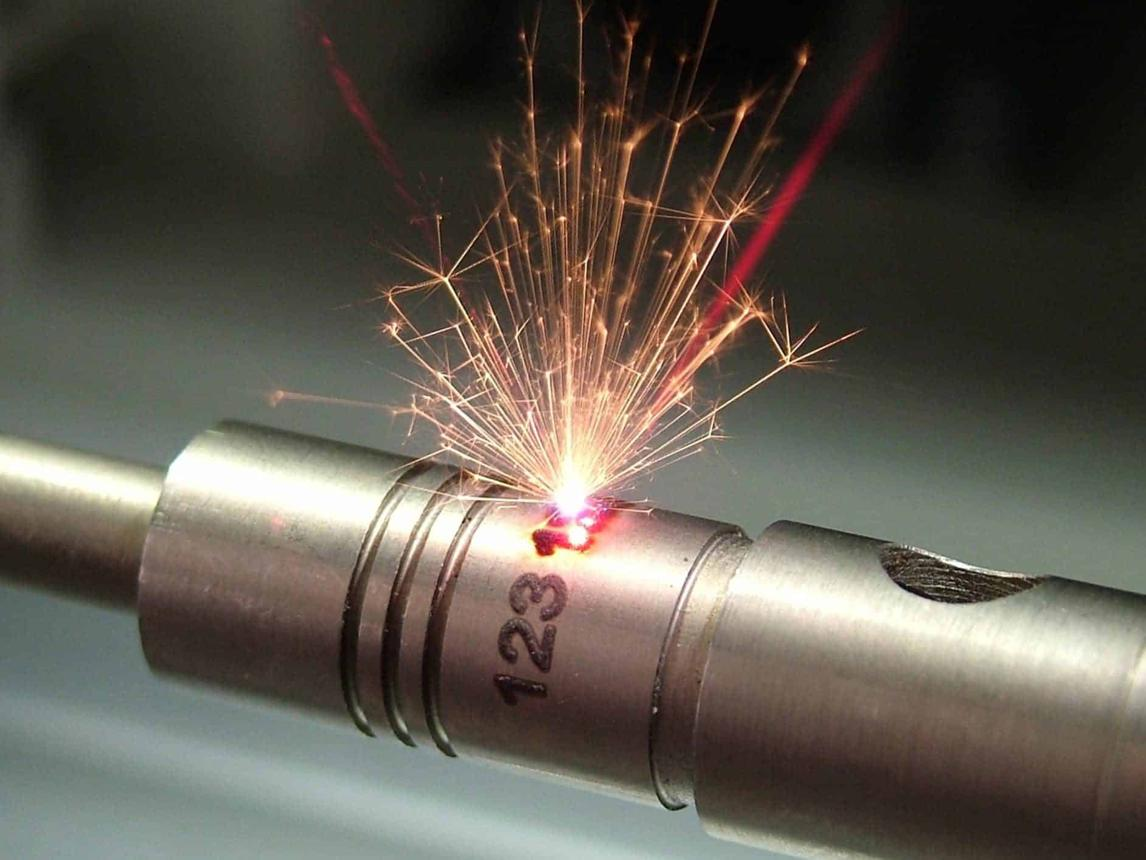
Weapon component marking
ZS Machinery Practical Recommendations
ZS Machinery has helped clients in the military industry solve various marking application scenarios. With over ten years of experience in manufacturing marking products, based on our past experience, we offer the following selection suggestions.
For permanent marking on metal components, fiber laser or dot peen marking is recommended depending on whether portability is required.
For high-precision or sensitive parts, UV laser provides the best balance between quality and safety.
For large-scale production, automated laser systems with fixtures or conveyors can significantly improve efficiency and consistency.
For field operations or oversized components, portable marking machines offer the necessary flexibility.
Conclusion And Call To Action
Marking in the defense industry requires a balance between durability, precision, and adaptability.
Different applications demand different technologies, and there is no single solution that fits all scenarios. Understanding the material, environment, and production needs is key to selecting the right equipment.
By choosing the appropriate marking method, manufacturers can ensure long-lasting identification, improved traceability, and efficient production processes.
Get the Right Solution for Your Application
If you are working with defense-related components and need help selecting the right marking solution, we can provide practical recommendations based on your materials, application scenarios, and production requirements.
Contact us to find the most suitable marking solution for your needs.