
Rubber Marking Solutions: Laser Marking, Engraving and UV Printing Guide
Rubber materials are widely used in industries such as automotive, electronics, seals, medical devices, and promotional products. Due to their flexibility and complex composition, rubber is more challenging to mark compared to metals or plastics.
A successful rubber marking process must achieve clear contrast, clean edges, and stable quality, while avoiding issues such as burning, deformation, or toxic emissions.
This guide explains whether rubber can be marked, which technologies to use, and how to choose the best solution for your application.
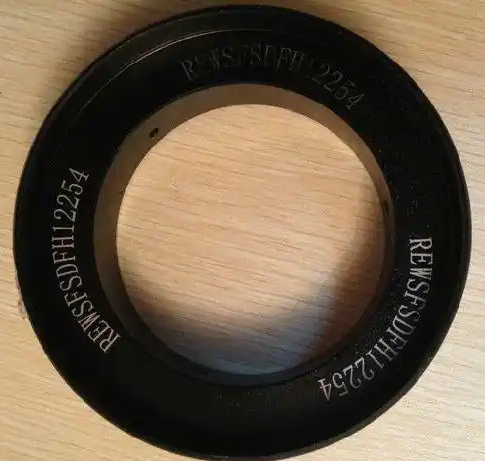
Laser marking rubber tires
1.Types and Characteristics of Rubber Materials
Rubber is not a single material. Its composition directly affects marking results.
1.1 Natural Rubber
high elasticity
soft surface
sensitive to heat
Tends to deform under high laser energy
1.2 Synthetic Rubber
Common types include:
EPDM (automotive seals)
NBR (oil-resistant rubber)
Silicone rubber (high temperature resistant)
Neoprene
Each type reacts differently to laser energy due to additives and fillers.
1.3 Key Material Properties
low melting / decomposition temperature
high elasticity
often dark-colored
may contain carbon black or additives
These factors determine:
absorption rate
marking contrast
burning behavior
2.Can Rubber Be Laser Marked?
Yes — most rubber materials can be marked, but:
Not all rubber behaves the same
The result depends on:
material composition
color (black rubber performs better)
additive content
Two Main Laser Effects on Rubber
- Engraving (Material Removal)
laser burns away surface
creates depth and texture
- Color Change (Foaming / Carbonization)
surface chemically changes
produces lighter or darker contrast
Many industrial rubbers are designed for this effect
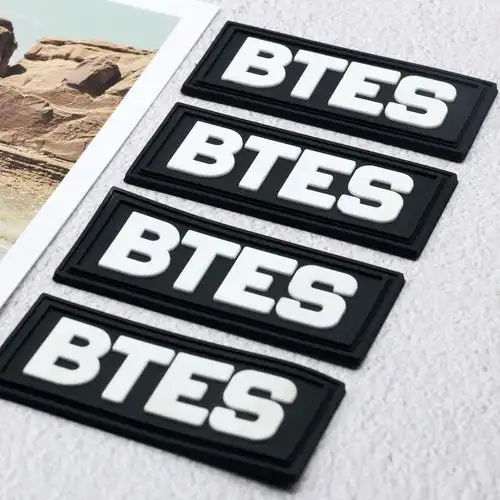
Rubber Clothing Nameplate Marking
3.Key Challenges in Rubber Marking
3.1 Burning and Smoke
Rubber contains organic compounds:
excessive heat → burning
produces smoke and odor
Requires proper ventilation
3.2 Edge Charring
Too much energy causes:
blackened edges
rough finish
poor visual quality
3.3 Deformation
Because rubber is soft:
high heat → warping
loss of dimensional accuracy
3.4 Inconsistent Results
Different rubber batches may vary:
additives affect marking behavior
results may not be repeatable without testing
4.CO₂ Laser Marking and Engraving (Primary Solution)
Why CO₂ Laser Works Best for Rubber
CO₂ lasers are strongly absorbed by rubber materials, making them the most widely used solution.
Process Mechanism
laser energy heats and decomposes rubber
material is vaporized or carbonized
creates contrast or depth
Applications
rubber stamps
gaskets and seals
industrial parts marking
branding on rubber products
Advantages
high efficiency
strong marking contrast
suitable for engraving and cutting
widely compatible with most rubber types
Limitations
generates smoke → needs extraction system
risk of over-burning if not controlled
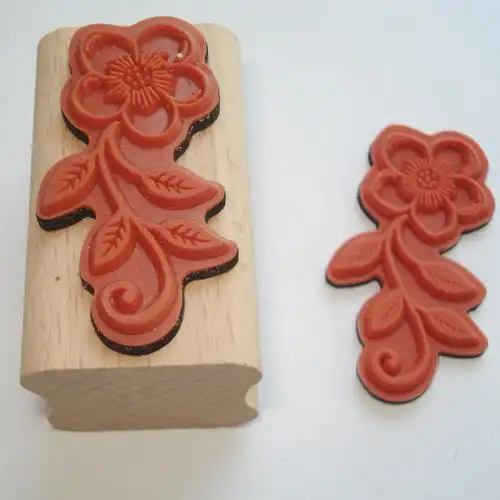
Rubber material engraving images
5.Fiber Laser Marking on Rubber (Selective Use)
When Fiber Laser Can Be Used
Fiber laser is not the first choice, but works for:
certain synthetic rubbers
rubber with specific additives
applications requiring fine detail
Advantages
high precision
stable beam quality
suitable for small text and codes
Limitations
not all rubber absorbs fiber wavelength well
may result in weak contrast
requires testing
6.UV Laser Marking on Rubber (Low Thermal Impact)
When UV Laser is Recommended
heat-sensitive rubber
precision applications
micro marking
Advantages
minimal heat-affected zone
reduced deformation
cleaner marking edges
Limitations
slower than CO₂
higher cost
not ideal for deep engraving
7.UV Printing on Rubber (Color Marking Solution)
When applications require color, branding, or decorative effects, UV printing is the preferred method.
Process Overview
ink is printed onto rubber surface
UV light instantly cures the ink
Advantages
full-color printing (logos, graphics)
no thermal damage
suitable for complex designs
Key Challenges
Rubber surfaces are flexible and low-energy:
ink adhesion can be weak
may require primer or coating
Applications
promotional rubber products
branded components
custom designs
8.Comparison of Marking Methods
| Method | Best For | Advantages | Limitations |
| CO₂ Laser | Engraving & contrast | High efficiency, strong effect | Smoke, heat |
| Fiber Laser | Fine marking | High precision | Limited compatibility |
| UV Laser | Precision marking | Low heat, clean edges | Slower |
| UV Printing | Color designs | Full color, flexible | Adhesion challenges |
9.How to Choose the Right Rubber Marking Solution
Decision logic:
For deep engraving (stamps, molds) → CO₂ laser
For general industrial marking → CO₂ laser
For fine details / small codes → fiber or UV laser
For heat-sensitive rubber → UV laser
For color branding → UV printer
In some cases, combining laser and printing delivers better results
10.Industrial Production Considerations
Ventilation System (Critical)
Rubber processing produces:
smoke
odor
potentially harmful gases
A proper exhaust system is essential
Automation Options
conveyor systems
vision positioning
batch processing
Benefits
higher efficiency
consistent quality
reduced labor
11.ZS Machinery Rubber Marking Solutions
ZS Machinery provides complete solutions for rubber marking and engraving, including:
CO₂ laser machines for engraving and cutting
fiber laser systems for precision marking
UV laser systems for sensitive materials
UV printers for color applications
customized automation solutions
We help customers:
select the right technology for different rubber types
optimize parameters for stable results
reduce defects such as burning and deformation
improve production efficiency
Call to Action
Find the most stable and efficient marking solution for your rubber materials with expert guidance tailored to different compositions and applications.