
Medical Devices Industry
In the medical device industry, marking is not just identification—it is directly related to patient safety, regulatory compliance, and product traceability.From surgical instruments to implantable devices, every component must carry clear, permanent, and reliable markings that remain readable throughout its entire lifecycle.
With increasingly strict global regulations, laser marking has become the standard solution for medical device identification.
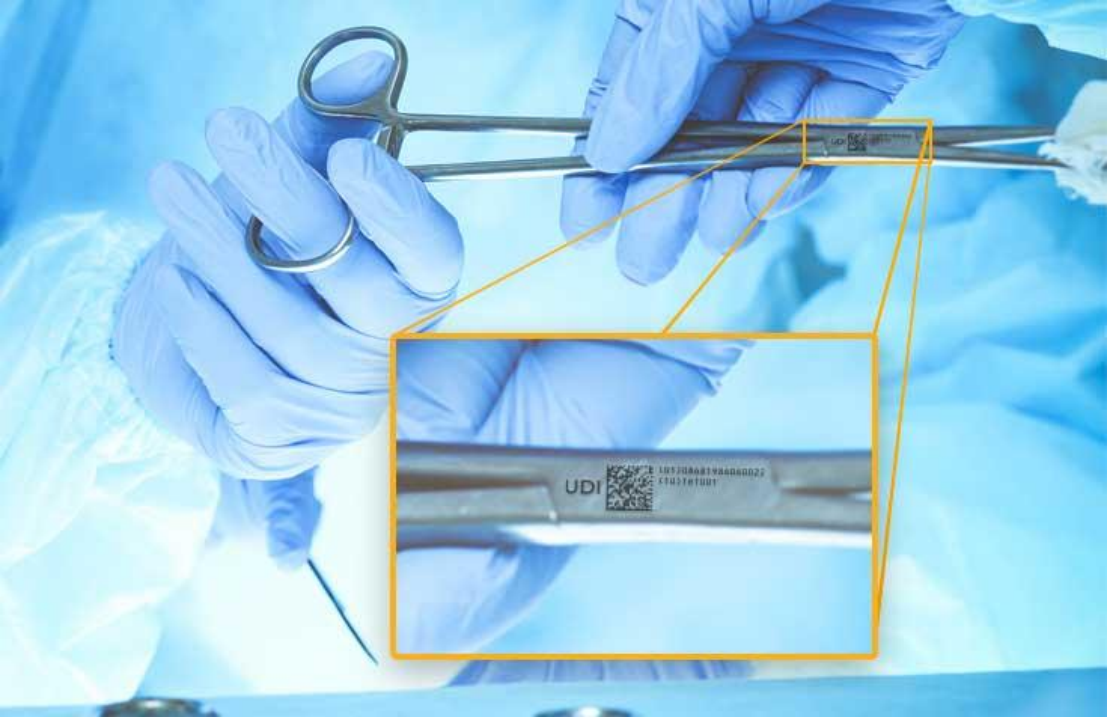
Medical industry marking solution
Why Marking is Critical in Medical Devices
1.Harsh Medical Operating Environments
Medical devices and healthcare products operate under extremely strict industry standards, making reliable marking solutions essential throughout the entire product lifecycle. Many medical instruments and implantable devices must withstand repeated high-temperature sterilization processes, exposure to chemical disinfectants, and long-term use in demanding medical environments. In some applications, devices may even remain inside the human body for extended periods, placing even higher requirements on marking durability and safety.
2.Requirements for Permanent and Safe Marking
Because of these conditions, medical device marking must remain permanent, clear, and fully readable over time without affecting the product surface, biocompatibility, or cleanliness. The marking process must also avoid introducing contamination, corrosion risks, or material damage that could impact patient safety or product performance.
3.Regulatory Compliance and Traceability
At the same time, modern medical manufacturing requires complete product traceability and regulatory compliance. According to regulations such as FDA UDI (Unique Device Identification), medical devices must include important identification information such as Device Identifier (DI), Production Identifier (PI), batch numbers, serial numbers, expiration dates, and machine-readable QR codes or Data Matrix codes. As a result, marking is no longer simply used for product identification—it has become a critical part of quality control, traceability management, and global regulatory compliance in the medical industry.
Typical Applications in Medical Device Marking
1.Surgical Instruments
For surgical instruments such as scalpels, forceps, scissors, and reusable stainless steel medical tools, the marking solution must provide excellent durability and safety. Since these instruments are repeatedly exposed to high-temperature sterilization and chemical cleaning processes, the markings must remain clear, corrosion-resistant, and permanently readable throughout long-term medical use.
At the same time, the marking process should maintain the smooth surface quality of the instrument and avoid affecting hygiene or biocompatibility standards.
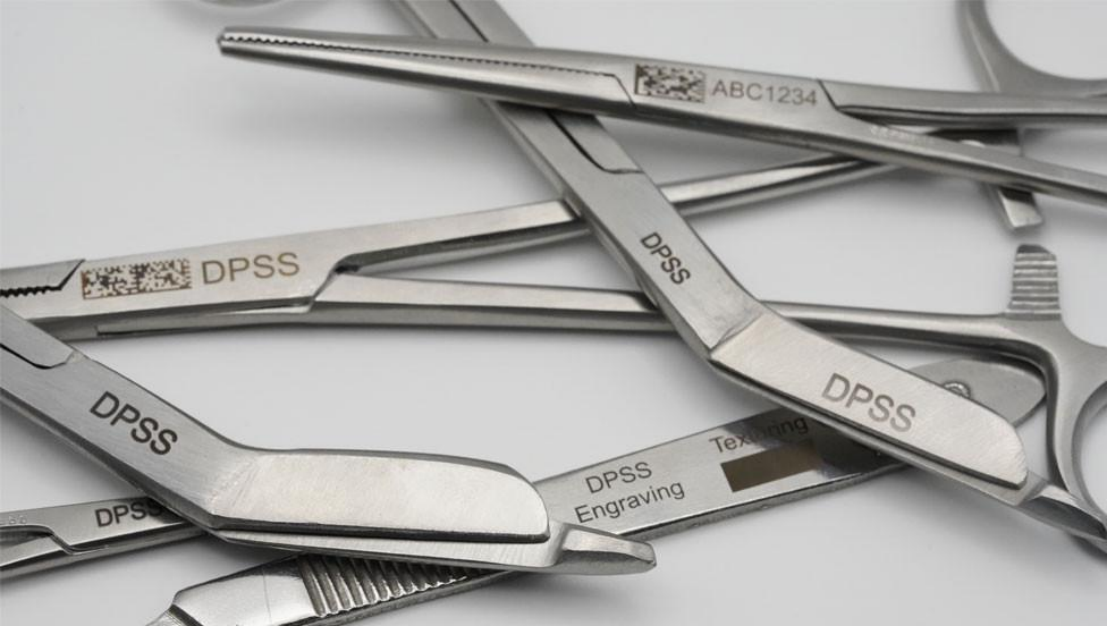
Surgical instrument marking
2.Implants & Orthopedic Devices
For medical implants and orthopedic devices such as titanium hip implants, dental implants, bone screws, and fixation components, the marking solution must meet extremely high standards for permanence, safety, and traceability.
These products usually require permanent identification codes, serial numbers, and anti-counterfeiting markings to ensure accurate product tracking and regulatory compliance. Since many implants remain inside the human body for years, the markings must maintain long-term readability without affecting the material properties, corrosion resistance, or biocompatibility of the device.
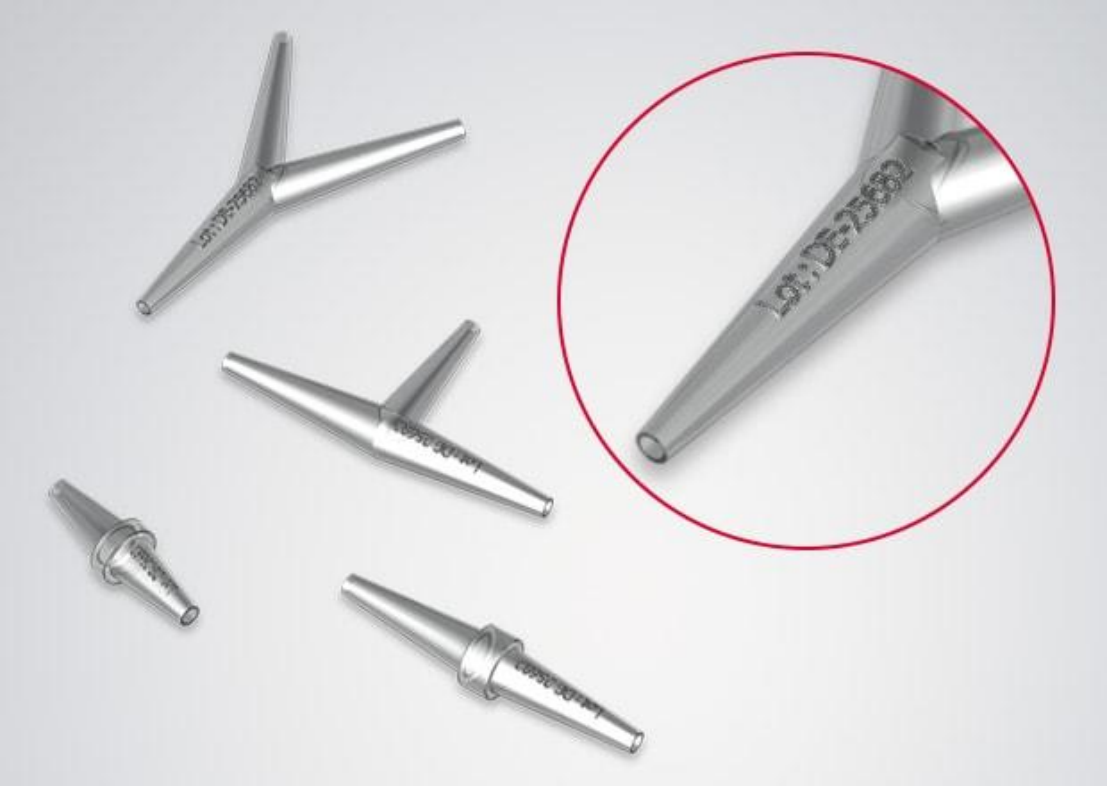
Medical implant marking
3.Medical Plastics & Consumables
For medical plastic products and disposable consumables such as syringes, catheters, IV components, and pharmaceutical packaging, the marking solution must provide high precision while protecting the integrity of the material surface. These products often use sensitive plastic materials that can be easily damaged by excessive heat or improper processing methods.
At the same time, medical consumables require clear and reliable identification for traceability, production management, and regulatory compliance. The marking process should achieve clean, high-contrast results without causing deformation, burning, cracking, or contamination, making it especially suitable for disposable medical devices and high-volume medical production environments.
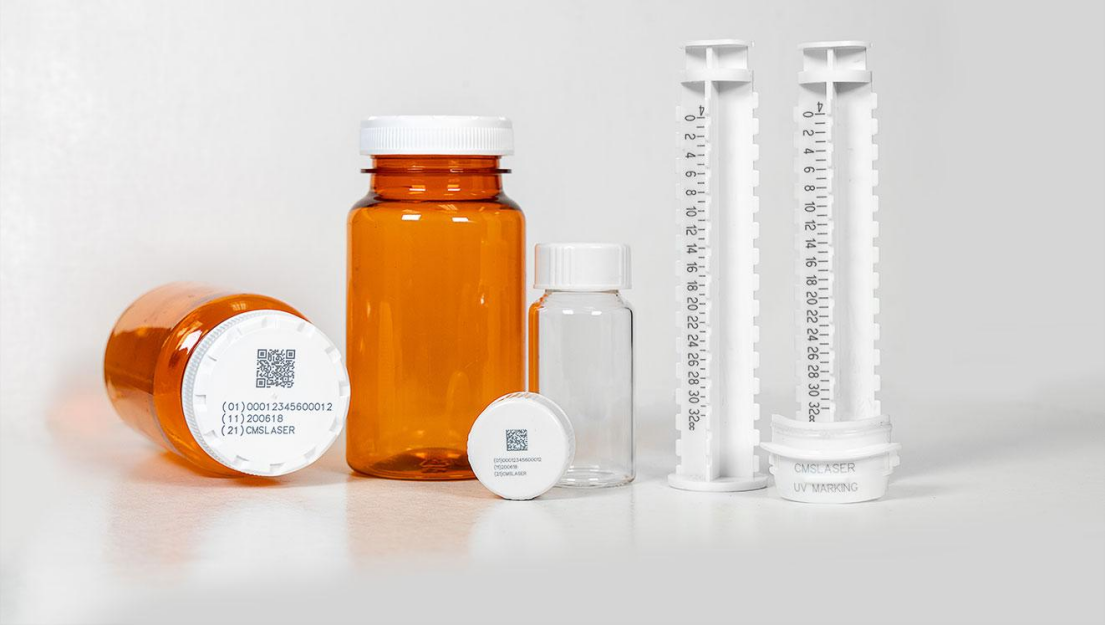
Marking on the surface of medicine bottles
4.Electronic Medical Devices
For electronic medical devices such as diagnostic equipment, patient monitoring systems, and control panels, the marking solution must ensure clear and stable identification across complex electronic assemblies. These devices typically require permanent labeling for product identification, functional marking, and traceability management throughout their service life.
Because medical electronics often operate in continuous use environments and may be exposed to cleaning agents or hospital-grade disinfectants, the markings must remain durable, legible, and resistant to wear over time. At the same time, the identification should support regulatory traceability requirements, ensuring each device can be accurately tracked, managed, and verified within medical production and maintenance systems.
Key Challenges in Medical Device Marking
Medical marking is one of the most demanding applications in manufacturing:
1.Sterilization Resistance
Medical devices must endure extremely strict sterilization processes throughout their lifecycle, including high-temperature steam sterilization (up to 134°C) and repeated chemical cleaning cycles. In many cases, equipment is sterilized thousands of times during use, which places high demands on marking stability. The identification must remain clear, readable, and permanently intact without fading or degradation.
2.Corrosion Resistance & Surface Integrity
Improper marking methods can damage the material surface, including protective oxide layers, which may lead to corrosion, rust formation, or contamination risks. This is especially critical for stainless steel surgical instruments and implant-grade materials, where maintaining surface integrity is essential for both performance and safety.
3.Biocompatibility Requirements
Medical marking must not introduce any inks, chemicals, or residual substances that could affect patient safety. The surface must remain smooth and clean, avoiding micro-defects that could become bacterial growth points. For this reason, non-contact marking methods are preferred to ensure no contamination risk and full compliance with medical hygiene standards.
4.Micro Precision Requirements
Many medical components require extremely small marking areas, especially UDI (Unique Device Identification) codes that can be less than 1 mm in size. This demands ultra-precise control of marking systems to ensure high readability, accurate code structure, and consistent quality even on very limited surface space.
5.Regulatory Compliance
Medical device manufacturers must comply with strict international regulations such as FDA UDI requirements in the United States, EU MDR standards in Europe, and ISO 13485 quality management systems. Failure to meet these requirements can result in product recalls, market restrictions, or legal consequences, making compliant marking solutions a critical part of medical manufacturing.
Recommended Marking Technologies
In the medical industry, Fiber Laser Marking Machines and UV Laser Marking Machines are the two core solutions.
Fiber Laser Marking Machines are Ideal for the following materials :
Stainless steel (304 / 316L)
Titanium implants
Surgical instruments
It has several advantages:
High-contrast black annealing marking
Does not damage protective oxide layer
Excellent corrosion resistance
Withstands repeated sterilization
Permanent and wear-resistant
Laser annealing creates marks without removing material, keeping surfaces smooth and hygienic.
UV Laser Marking Machines (Best for Plastics & Glass)
Ideal for:
Medical plastics (catheters, syringes)
Glass containers
Sensitive polymer components
Advantages:
“Cold marking” process (minimal heat impact)
No deformation or micro-cracks
Ultra-fine, high-resolution marking
Maintains material integrity
Especially critical for delicate medical-grade materials
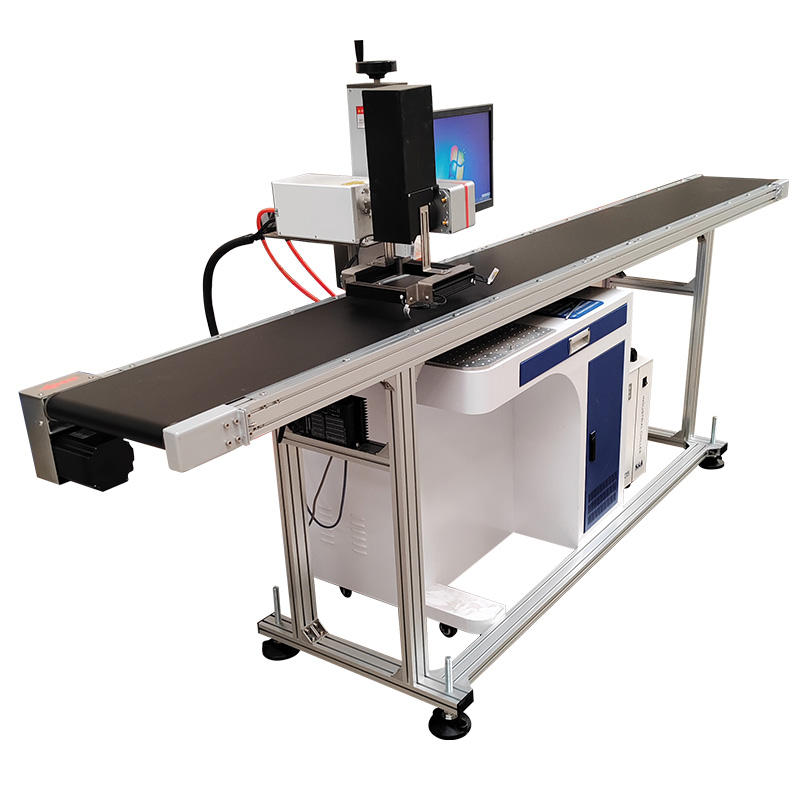
Visual UV Laser Marking Machine
Why Laser Marking is the Industry Standard
Compared with traditional methods (inkjet, labels, engraving):
1.Permanent and tamper-proof
2.Non-contact (no mechanical stress)
3.No consumables or chemicals
4.High precision for micro-marking
5.Fully compliant with UDI regulations
6.Suitable for cleanroom environments
Laser marking is widely considered the “gold standard” for medical device identification
ZS Machinery Solutions for Medical Industry
ZS Machinery provides customized marking solutions tailored to medical applications:
Fiber laser systems for metal instruments and implants
UV laser systems for plastics and glass
High-precision marking for micro components
Support for UDI coding and database integration
Automated solutions for high-volume production
Sample testing and process validation
Contact us
As the medical industry continues to evolve, marking technology must meet ever higher standards of safety,precision and compliance.Laser marking has become an essential technology for ensuring:
Full product traceability
Long-term durability
Regulatory compliance
With the right solution, manufacturers can achieve reliable, high-quality, and future-proof marking systems for medical devices.
If you are looking for a reliable marking solution or need professional advice for medical devices, feel free to contact us. Our team is ready to support your project.