
Acrylic Marking And Engraving Solutions: Deep Technical Guide for Laser and UV Printing
Acrylic (PMMA) is one of the most versatile materials in modern manufacturing, widely used in signage, advertising displays, lighting systems, electronics, and decorative products.
While acrylic marking is considered “easy to process,” achieving consistent, high-quality marking or engraving results at scale requires a deep understanding of material behavior, laser interaction, and process control.
This guide goes beyond basic introductions and focuses on how to achieve optimal results in real production environments, including laser selection, parameter optimization, and application-specific strategies.
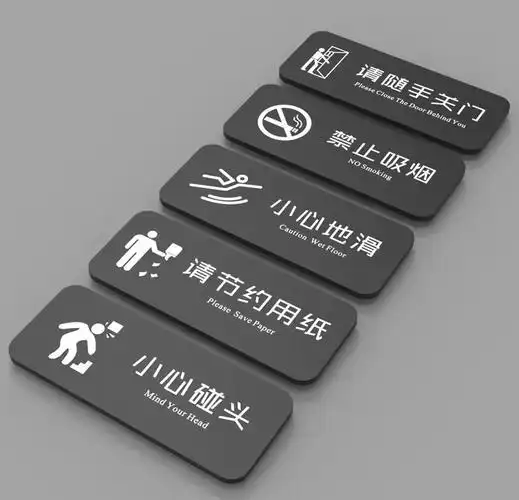
Acrylic nameplate marking
1.Understanding Acrylic at a Processing Level
1.1 Cast vs Extruded Acrylic – Why It Matters in Marking
The difference between cast and extruded acrylic is not just manufacturing—it directly determines laser interaction.
Cast Acrylic (Cell-Cast PMMA)
Cast acrylic has a more random molecular structure, which results in:
more uniform vaporization during laser interaction
formation of a fine micro-bubble structure when engraved
strong light scattering → frosted white effect
This is why cast acrylic produces:
high contrast engraving
smooth matte finish
premium visual quality
Extruded Acrylic
Extruded acrylic has aligned molecular chains due to the extrusion process:
melts more easily instead of vaporizing cleanly
tends to form glossy or semi-transparent engraving
more prone to edge deformation
Result:
lower contrast
less consistent engraving quality
1.2 Thermal Behavior and Its Impact
Acrylic is a thermoplastic material, which means:
it softens before vaporization
heat accumulation directly affects quality
Key implications:
excessive energy → melting instead of engraving
insufficient cooling → edge re-solidification
repeated passes → heat buildup
This is the core reason why parameter control is more important than machine power
2.Key Challenges in Acrylic Processing
2.1 Melt Recast and Edge Deformation
When laser energy exceeds the vaporization threshold:
molten acrylic flows and re-solidifies
edges become rounded or sticky
fine details are lost
Common mistake:
Using high power + low speed to “force depth”
2.2 Frosting Instability
Even on cast acrylic:
uneven energy distribution leads to patchy frosting
inconsistent hatch spacing creates visible lines
This is especially critical for:
logos
backlit signage
2.3 Transparency vs Contrast Trade-Off
Clear acrylic requires contrast generation:
engraving creates white diffusion
but shallow marking may be invisible
Balance needed between:
depth
clarity
surface finish
2.4 Internal Stress and Micro-Cracking
In some acrylic sheets (especially low-cost ones):
internal stress exists from manufacturing
thermal shock can create micro-cracks
Often overlooked but critical in high-end applications
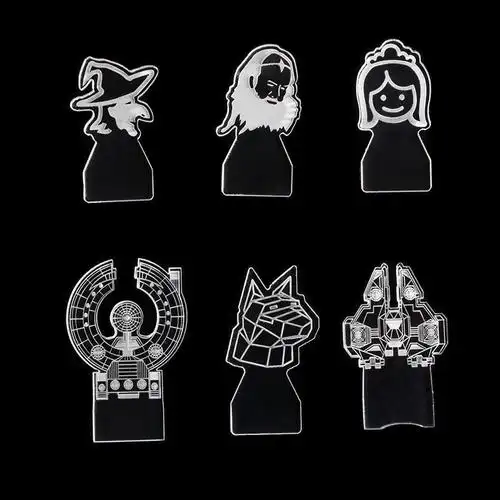
Acrylic engraving sample
3.CO₂ Laser Engraving on Acrylic
3.1 Why CO₂ Laser Works Best
CO₂ lasers operate at ~10.6 μm wavelength, which is strongly absorbed by acrylic.
Instead of reflecting or partially absorbing (like metals), acrylic:
absorbs energy efficiently
converts it into heat
transitions from solid → vapor
This enables:
clean material removal
polished cutting edges
consistent engraving
3.2 Engraving Mechanism (What Actually Happens)
During engraving:
laser heats the surface rapidly
material reaches vaporization temperature
micro-explosions create a roughened surface
light scatters → visible white effect
The “frosted look” is not color—it’s optical scattering
3.3 Parameter Strategy for High-Quality Engraving
Instead of giving fixed numbers, here’s the logic:
Power
too high → melting + burning
too low → incomplete engraving
Speed
slower = deeper but more heat
faster = cleaner but shallower
Frequency / Pulse Density
affects smoothness and uniformity
too dense → overheating
too sparse → visible scan lines
Hatch Spacing
smaller spacing → smoother finish
larger spacing → faster but rougher
Best practice:
Moderate power + high speed + multiple passes
4.UV Laser Marking on Acrylic (Precision Engineering Approach)
4.1 Why UV Laser Is Different
UV laser (355 nm) uses a photochemical process rather than thermal.
Instead of melting material:
breaks molecular bonds directly
produces minimal heat
4.2 When UV Laser Becomes Necessary
Use UV laser when:
engraving thickness < 1 mm
micro-text or QR codes required
no deformation allowed
working with sensitive or coated acrylic
4.3 Practical Limitations
UV laser is not always the best choice:
lower efficiency than CO₂
smaller working area
higher cost
Therefore:
Use UV for precision, not bulk production
5.UV Printing on Acrylic (Industrial Decoration & Branding)
5.1 Ink Adhesion on Acrylic – The Real Challenge
Acrylic is smooth and non-porous:
ink does not naturally bond strongly
surface energy is low
Solutions
surface cleaning (essential)
primer coating (for strong adhesion)
UV curing optimization
5.2 White Ink Strategy (Critical for Transparent Acrylic)
Without white ink:
colors appear washed out
transparency reduces visibility
With white ink:
creates a base layer
improves color vibrancy
enables backlit effects
5.3 Multi-Layer Printing
Advanced UV printing allows:
color + white + varnish layers
3D texture effects
double-sided printing
Widely used in:
high-end signage
decorative panels
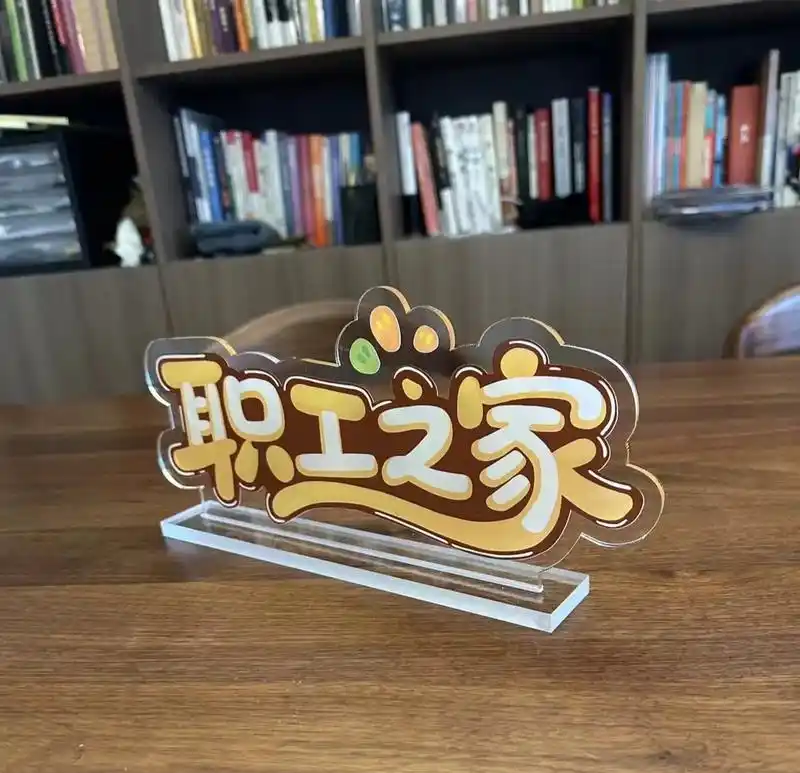
Acrylic UV color printing effect
6.Process Selection Logic
Instead of generic advice, here’s a decision model:
If you need:
frosted, permanent, tactile effect
CO₂ engraving
If you need:
ultra-fine detail, no heat impact
UV laser marking
If you need:
color, branding, visual design
UV printing
If you need both:
Combine engraving + printing
(e.g., engraved logo + color fill)
7.Industrial Production Considerations
7.1 Heat Management in Batch Processing
Continuous engraving leads to:
machine heating
material heat accumulation
Solutions:
interval processing
airflow cooling
optimized job sequencing
7.2 Positioning Accuracy
For repeat jobs:
fixture design is critical
vision systems improve precision
7.3 Automation Integration
Acrylic production often benefits from:
conveyor systems
automatic loading/unloading
nesting optimization
Result:
higher throughput
consistent quality
reduced labor cost
8.ZS Machinery Acrylic Solutions
ZS Machinery provides application-driven acrylic processing solutions, including:
CO₂ laser systems optimized for engraving quality
UV laser systems for precision marking
UV printers for industrial decoration
integrated automation solutions
We focus on:
parameter optimization for different acrylic types
reducing defects like melting and uneven frosting
improving production efficiency
enabling scalable manufacturing
Call to Action
Work with our engineers to fine-tune your acrylic marking process—from material selection to parameter optimization—to achieve consistent, high-quality results at scale.