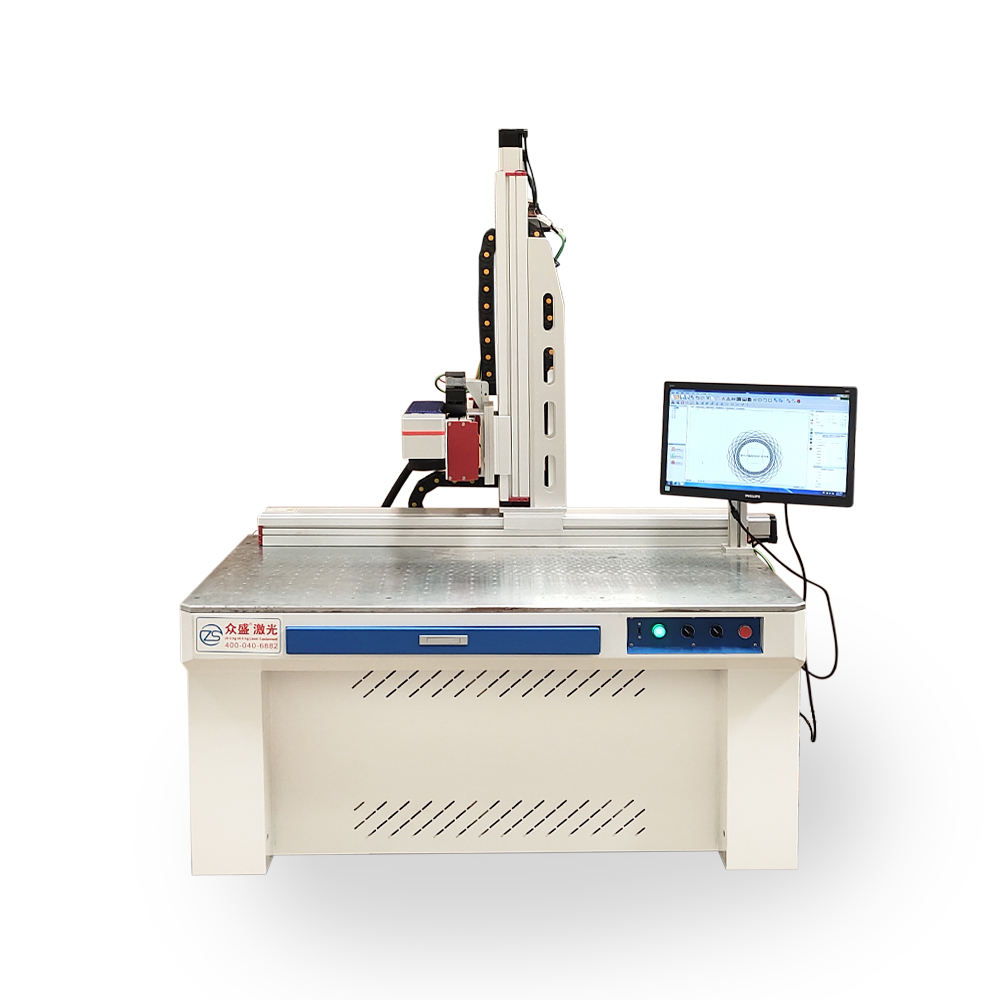
- Product Details
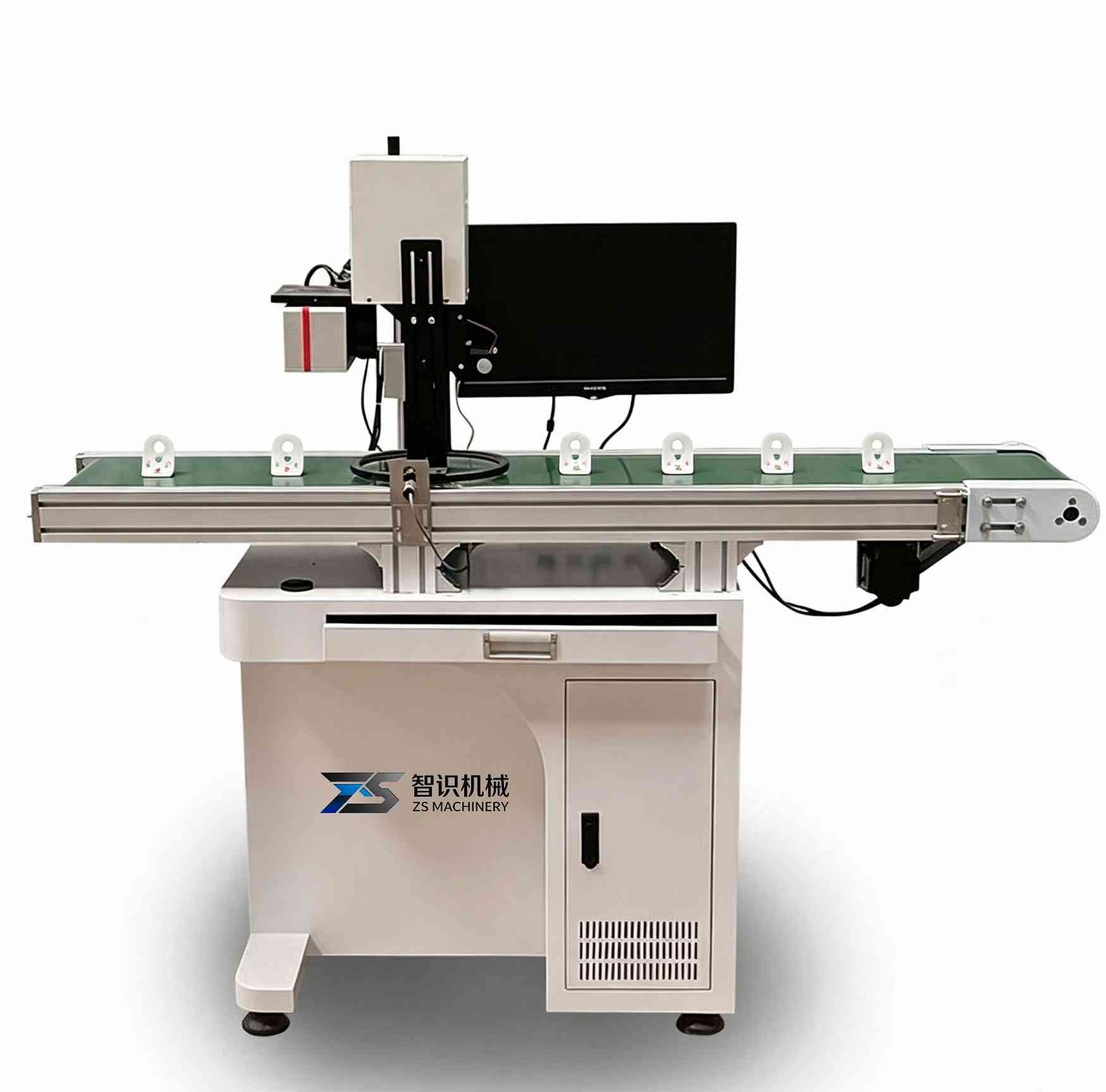
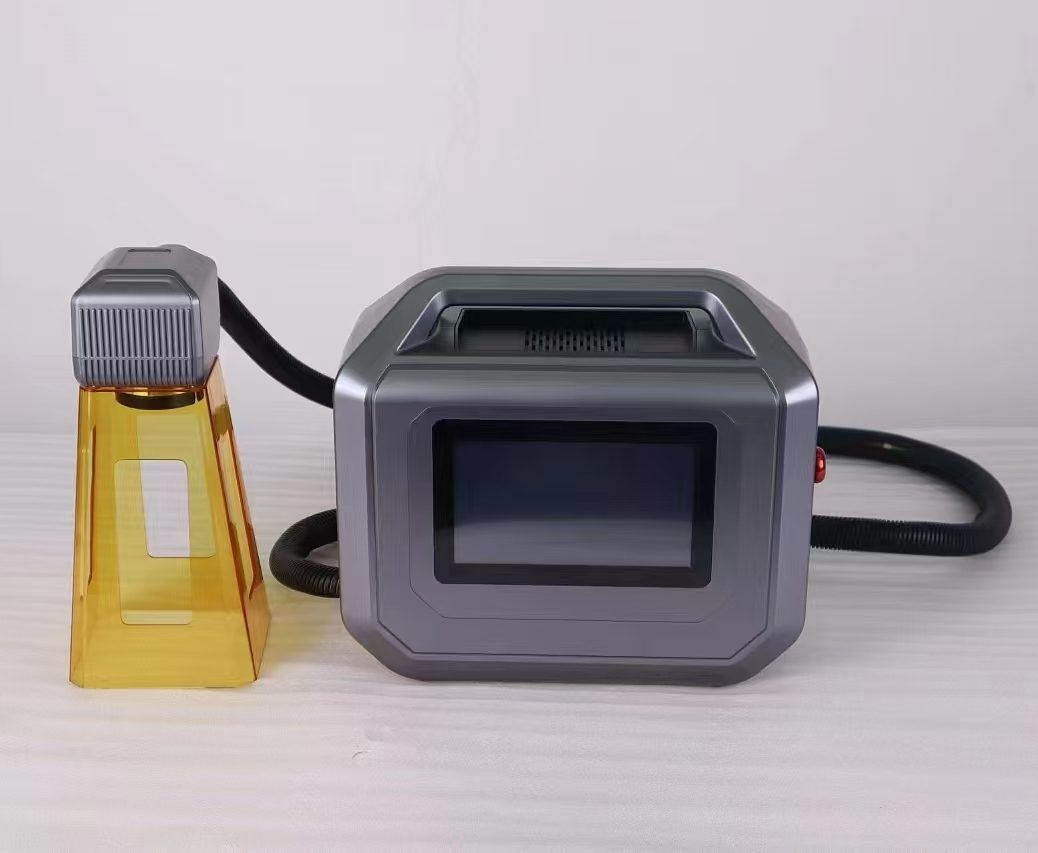
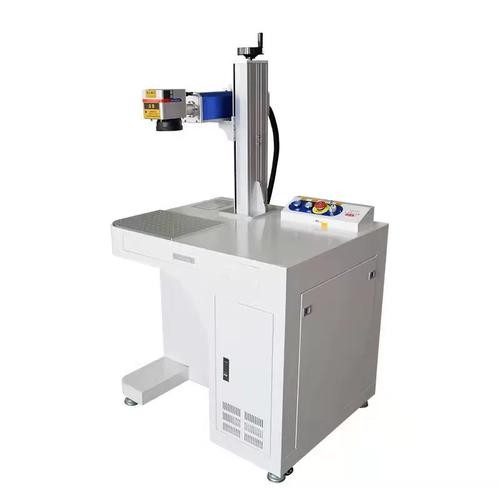
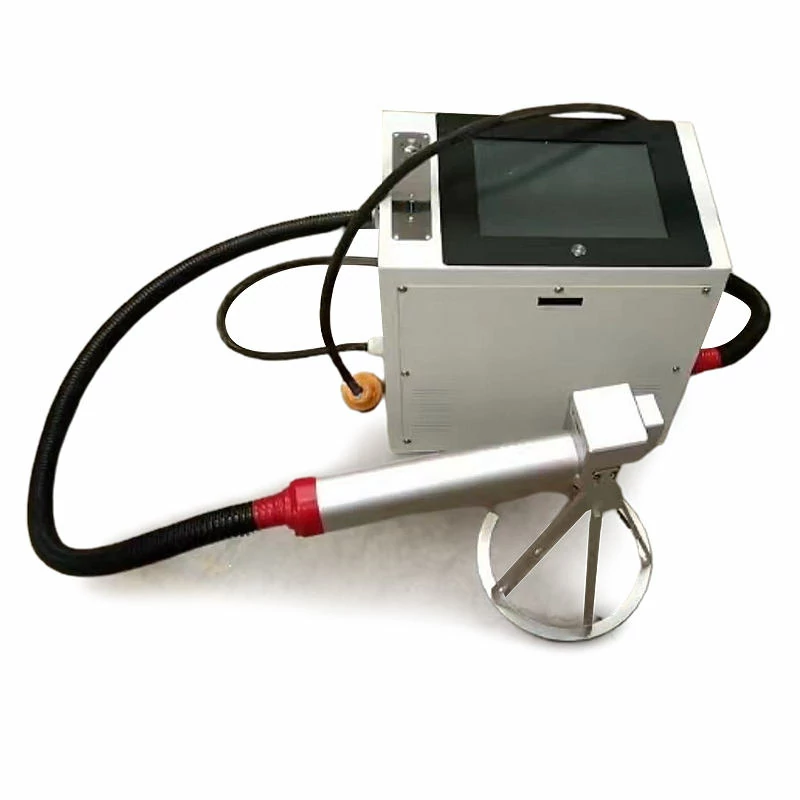
The Laser Engraving Machine for Aluminum is a fiber laser system designed for permanent marking and engraving on aluminum parts, anodized aluminum products and other metal components.
Unlike mechanical engraving, the laser process does not require a cutting tool to physically contact the workpiece. The focused laser beam interacts with the aluminum surface to create permanent marks, surface engraving and, when suitable parameters and power are used, deeper material removal.
The machine uses a galvanometer scanning system to move the laser beam rapidly across the marking field. This makes it suitable for applications requiring high-speed identification, logos, serial numbers, QR codes, barcodes and customized graphics.
Laser Engraving Machine for Aluminum
What Is a Laser Engraving Machine for Aluminum?
A laser engraving machine for aluminum is a laser processing system specifically configured for marking or engraving aluminum surfaces.Essentially, it’s a fiber laser marking machine, but depending on the desired effect, you can choose a frequency-adjustable one, such as the MOPA fiber laser.
The basic optical path is:
Fiber Laser Source → Beam Expander → Galvanometer Scanner → F-Theta Lens → Aluminum Workpiece
The laser source generates the laser beam, while the galvanometer system controls the beam position in the X and Y directions.The F-theta lens focuses the laser beam across the selected marking area.
This configuration allows the machine to create:
- Text
- Logos
- Serial numbers
- QR codes
- Barcodes
- Product identification
- Part numbers
- Data matrix codes
- Graphics
- Surface engraving
- Deeper engraving
The actual result depends on the aluminum material, surface condition and laser parameters.
Why Use a Fiber Laser for Aluminum?
Aluminum is a highly reflective metal, so choosing the right laser system is important.Fiber lasers operating around 1064 nm are widely used for industrial metal marking because they provide a suitable combination of optical performance, compact machine design and mature industrial technology.For aluminum applications, a fiber laser can be configured for both high-contrast marking and material removal.
High-Speed Metal Marking
For serial numbers, QR codes, barcodes and logos, the laser can scan the surface at high speed without mechanical contact.This is useful for production lines where every component needs permanent identification.
Permanent Identification
Laser marking does not require ink, labels or physical engraving tools.Once the appropriate marking process is developed, the identification can remain visible for long-term product tracking and traceability.
Flexible Marking Content
The same machine can process different designs without changing mechanical tools.Operators can mark:
- Variable serial numbers
- QR codes
- Date codes
- Batch numbers
- Logos
- Product models
- Customer-specific information
Low Maintenance Operation
Fiber laser marking systems normally use air cooling and have relatively simple optical structures compared with many other laser processing systems.
For industrial aluminum marking, this makes fiber laser systems practical for continuous production environments.
How Does Aluminum Laser Engraving Work?
The laser engraving process can be divided into several basic steps.
1. Place the Aluminum Part
The aluminum component is positioned on the worktable or customized fixture.For production applications, a fixture can be designed to ensure that every workpiece is placed in the same position.
2. Load the Marking Design
The required text, logo, QR code or graphic is imported into the marking software.Variable information can also be generated automatically according to the production process.
3. Position the Laser
The galvanometer system directs the laser beam to the programmed position.For applications requiring precise positioning, a red-light preview, camera vision system or customized positioning system can be added.
4. Set the Laser Parameters
The operator selects suitable parameters according to the aluminum surface and required result.Important parameters include:
- Laser power
- Marking speed
- Frequency
- Hatch spacing
- Pulse width for MOPA lasers
- Number of passes
- Focus position
Different aluminum alloys and surface treatments may require different parameter combinations.
5. Laser Marking or Engraving
The laser scans the programmed pattern across the aluminum surface.
Depending on the parameters, the process can produce a high-contrast surface mark or remove more material to create a visible engraved effect.
6. Inspect the Finished Mark
The finished part can be checked visually or with an integrated vision system.For automated production, the system can also be integrated with barcode verification, OCR or other inspection functions.
What Can You Engrave on Aluminum?
A fiber laser engraving machine can be used for many different aluminum products.
Aluminum Nameplates
Laser engraving can create:
- Product names
- Serial numbers
- Logos
- Technical information
- QR codes
- Warning symbols
The permanent mark is suitable for industrial identification and traceability.
Aluminum Parts
Many machined aluminum components require identification after CNC machining.Typical information includes:
- Part numbers
- Serial numbers
- Production dates
- Batch codes
- Assembly information
The laser can mark this information without requiring mechanical engraving tools.
Anodized Aluminum
Anodized aluminum is one of the common materials used for high-contrast laser marking.The laser can modify or remove the anodized surface layer to create visible contrast.Typical applications include:
- Electronics housings
- Control panels
- Aluminum nameplates
- Consumer products
- Industrial components
The exact appearance depends on the anodizing layer, color and laser parameters.
Aluminum Profiles and Extrusions
Aluminum profiles used in construction, machinery and industrial systems can also be marked with:
- Company logos
- Product specifications
- Identification numbers
- Batch information
- Traceability codes
For long products, a larger marking system or CNC positioning system can be added according to the application.
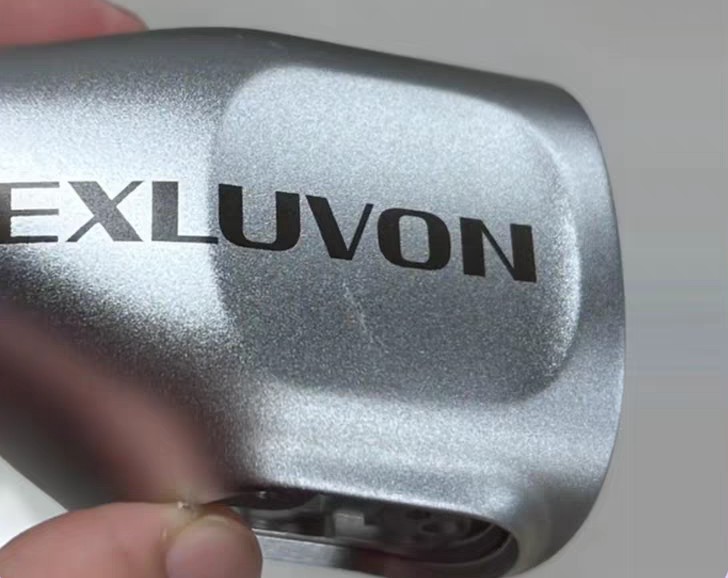
100W MOPA fiber laser alumina blackening
Aluminum Marking vs Aluminum Engraving
The words marking and engraving are often used interchangeably, but they can describe different processing goals.
Aluminum Laser Marking
Laser marking normally focuses on creating a visible and permanent contrast on the surface.Typical applications include:
- QR codes
- Barcodes
- Serial numbers
- Logos
- Product identification
High speed and readability are usually more important than engraving depth.
Aluminum Laser Engraving
Laser engraving involves greater material removal from the surface.It can be used when the customer needs:
- Visible engraving depth
- Stronger material removal
- Decorative engraving
- Functional identification
- Deeper text or graphics
A higher laser power or multiple passes may be required depending on the required depth.Therefore, the best machine configuration depends not simply on the word “engraving”, but on the actual processing requirement.
20W, 30W, 50W or 100W: Which Laser Power Do You Need?
Aluminum is a highly reflective metal, so we generally recommend 30W as the minimum power for reliable industrial aluminum laser engraving.
The right power depends mainly on the required marking speed, contrast and engraving depth.
- 30W Fiber Laser: Suitable for general aluminum marking, including logos, serial numbers, QR codes and light engraving. A practical starting point for most aluminum applications.
- 50W Fiber Laser: Recommended when you need faster processing, more material removal or deeper engraving.
- 100W Fiber Laser: Designed for demanding applications requiring deeper engraving, higher production efficiency or greater material removal.
For aluminum, choosing the highest power is not always necessary. The best configuration depends on the aluminum type, surface treatment, required depth and production speed. We recommend sample testing to determine the final laser power and parameters.
How to Choose the Right Marking Area?
The marking area should be selected according to the size of the content you need to engrave, rather than simply the overall size of the aluminum workpiece.For example:
- Marking content up to about 80 × 80 mm → 110 × 110 mm lens
- Marking content up to about 150 × 150 mm → 175 × 175 or 200 × 200 mm
- Larger graphics up to about 250 × 250 mm → 300 × 300 mm
A larger marking field is not always better.
Different F-theta lenses produce different optical characteristics, working distances and spot sizes. If very small text or fine graphics are required, an unnecessarily large marking field may not provide the same optical performance as a smaller field.
If the aluminum workpiece is much larger than the available marking field, a CNC axis + galvanometer laser system can be considered.
In this configuration:
CNC Axis = Moves the laser system
Galvanometer = Performs high-speed local marking
This allows multiple marking positions or larger components to be processed without simply using an extremely large F-theta lens.
Can a Laser Engraving Machine Cut Aluminum?
A fiber laser engraving machine can remove material from aluminum, but laser engraving and laser cutting are different processes.A marking machine normally uses a galvanometer scanning system and F-theta lens.A dedicated fiber laser cutting machine uses:
- High-power laser source
- Dedicated cutting head
- Focusing optics
- Nozzle
- Assist gas
- CNC motion system
For thin materials or special applications, a lower-power laser may remove enough material to produce a cutting effect through multiple passes.However, this does not mean that a marking machine is a replacement for a dedicated aluminum laser cutting machine.
If your main requirement is:
Marking → Choose a fiber laser marking/engraving machine.
Cutting → Choose a dedicated fiber laser cutting machine.
Applications of Aluminum Laser Engraving Machines
Electronics and Electrical Components
Aluminum housings and components can be marked with:
- Model numbers
- Serial numbers
- QR codes
- Electrical specifications
- Logos
Automotive Components
Laser marking can provide permanent identification on aluminum components such as:
- Housings
- Brackets
- Engine components
- Automotive parts
- Mechanical components
Machinery and CNC Parts
Machined aluminum components can be marked after production for:
- Part identification
- Batch tracking
- Assembly instructions
- Customer information
- Traceability
Aluminum Nameplates and Tags
The machine can mark logos, text, serial numbers and codes on aluminum tags and nameplates.
Industrial Products
Applications can include:
- Aluminum tools
- Industrial housings
- Fixtures
- Profiles
- Mechanical parts
- Equipment components
- Custom aluminum products
Aluminum Laser Engraving for Industrial Traceability
For modern manufacturing, laser engraving is not only about creating a visible logo.It can become part of the production traceability process.A unique QR code or Data Matrix code can be assigned to every component.The marking process can be connected with:
Production Data → Laser Marking → Code Verification → Product Traceability
For higher-volume production, the system can be customized with:
- Barcode scanning
- QR code generation
- Vision positioning
- OCR inspection
- Automatic loading
- Automatic unloading
- Conveyor integration
- Production-line communication
This allows the laser marking process to become part of a larger automated production system.
Why Choose a Galvanometer Laser Engraving System?
Traditional mechanical engraving requires the cutting tool or spindle to physically move across the workpiece.A galvanometer laser system works differently.The workpiece can remain stationary while the optical scanning system moves the laser beam across the marking field.This provides several advantages:
Fast Scanning
Galvanometer mirrors can move the laser beam rapidly, making them suitable for high-speed marking.
No Mechanical Cutting Tool
There is no engraving bit that needs to physically contact the aluminum.
Flexible Graphics
Text, logos, QR codes and complex graphics can be changed through software.
Easy Digital Production
Different products can use different marking files without changing mechanical tools.
Suitable for Automation
The system can be integrated with fixtures, conveyors, vision systems and production lines.
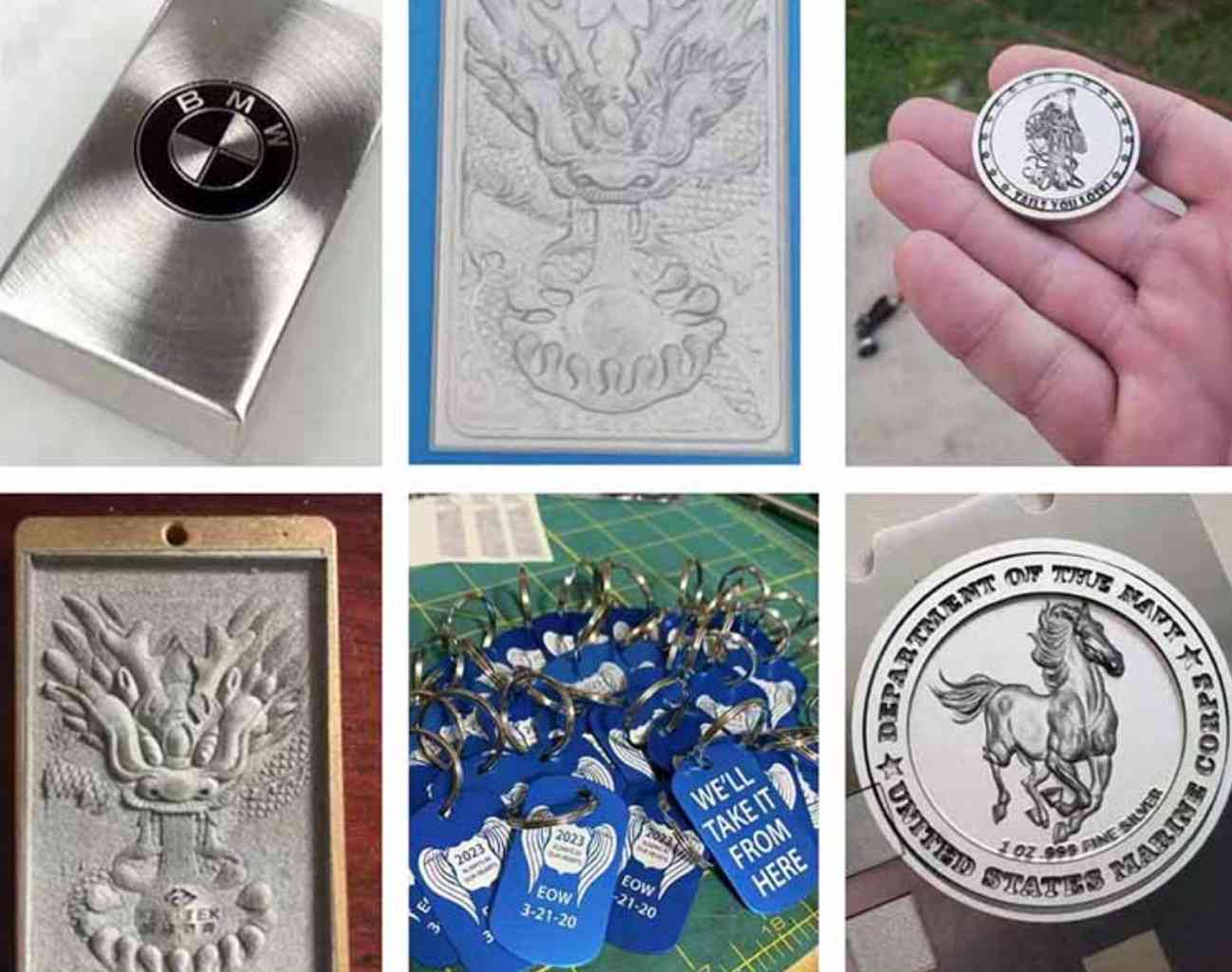
Aluminum laser marking samples
Why Choose ZS Machinery Laser Engraving Machine for Aluminum?
Choosing a laser engraving machine is not simply about choosing a laser source.The complete system needs to match the actual aluminum processing application.
Application-Based Configuration
ZS Machinery can configure the laser system according to:
- Aluminum type
- Surface treatment
- Required engraving depth
- Marking speed
- Marking content
- Marking area
- Production volume
- Automation requirements
Different Fiber Laser Powers
20W, 30W, 50W, 60W and higher-power configurations can be selected according to the application.
Flexible Optical Configuration
Different F-theta lenses can be selected for different marking fields and processing requirements.
Custom Fixtures
For repeated production, customized fixtures can help position aluminum components consistently.
Vision Integration
For parts with different shapes or positioning requirements, a camera-based vision system can be integrated to locate the marking position automatically.
CNC + Galvo Integration
For large aluminum components or multiple marking positions, CNC movement can be combined with galvanometer scanning.This allows the system to move between different positions while maintaining fast local laser scanning.
Sample Testing Before Production
Aluminum alloys and surface treatments can behave differently under laser processing.For this reason, we recommend testing your actual samples before finalizing the laser power, lens and processing parameters.Send us your aluminum parts or marking requirements, and we can evaluate the appropriate configuration.
How to Choose the Right Laser Engraving Machine for Aluminum?
Before purchasing a machine, consider the following questions.
1. What Type of Aluminum Are You Processing?
Is it:
- Bare aluminum?
- Anodized aluminum?
- Brushed aluminum?
- Aluminum alloy?
- Cast aluminum?
- Coated aluminum?
The surface condition can significantly affect the final result.
2. What Do You Need to Mark?
Do you need:
- Text?
- Logo?
- QR code?
- Barcode?
- Serial number?
- Decorative engraving?
- Deep engraving?
3. How Deep Should the Engraving Be?
Light surface marking and deep material engraving may require very different laser configurations.
4. How Large Is the Marking Content?
Measure the actual maximum marking width and height before selecting the F-theta lens.
5. How Fast Do You Need to Produce?
Higher production volume may justify a higher-power laser or optimized automation system.
6. Do You Need Automation?
For repeated production, consider:
- Automatic loading
- Automatic unloading
- Vision positioning
- Conveyor
- Rotary axis
- CNC positioning
- Inline inspection
7. Do You Need More Than Aluminum Marking?
If you also need to process stainless steel, carbon steel, brass, copper or other metals, a fiber laser system can be configured as a more general-purpose industrial metal marking and engraving machine.
Get the Right Laser Engraving Machine for Your Aluminum Parts
The right laser engraving machine for aluminum depends on more than laser power.Material type, surface treatment, engraving depth, marking size, production speed and automation requirements all affect the final machine configuration.
ZS Machinery can configure fiber laser engraving systems for aluminum marking, industrial identification, deep engraving and automated production.Send us:
- Your aluminum material
- Material dimensions
- Marking content
- Required marking size
- Required engraving depth
- Daily production volume
- Photos or drawings of the workpiece
We can recommend a suitable laser power, marking area, optical configuration and automation solution based on your application.
Send us your aluminum sample or marking requirements for a laser test and machine recommendation.