- Product Details
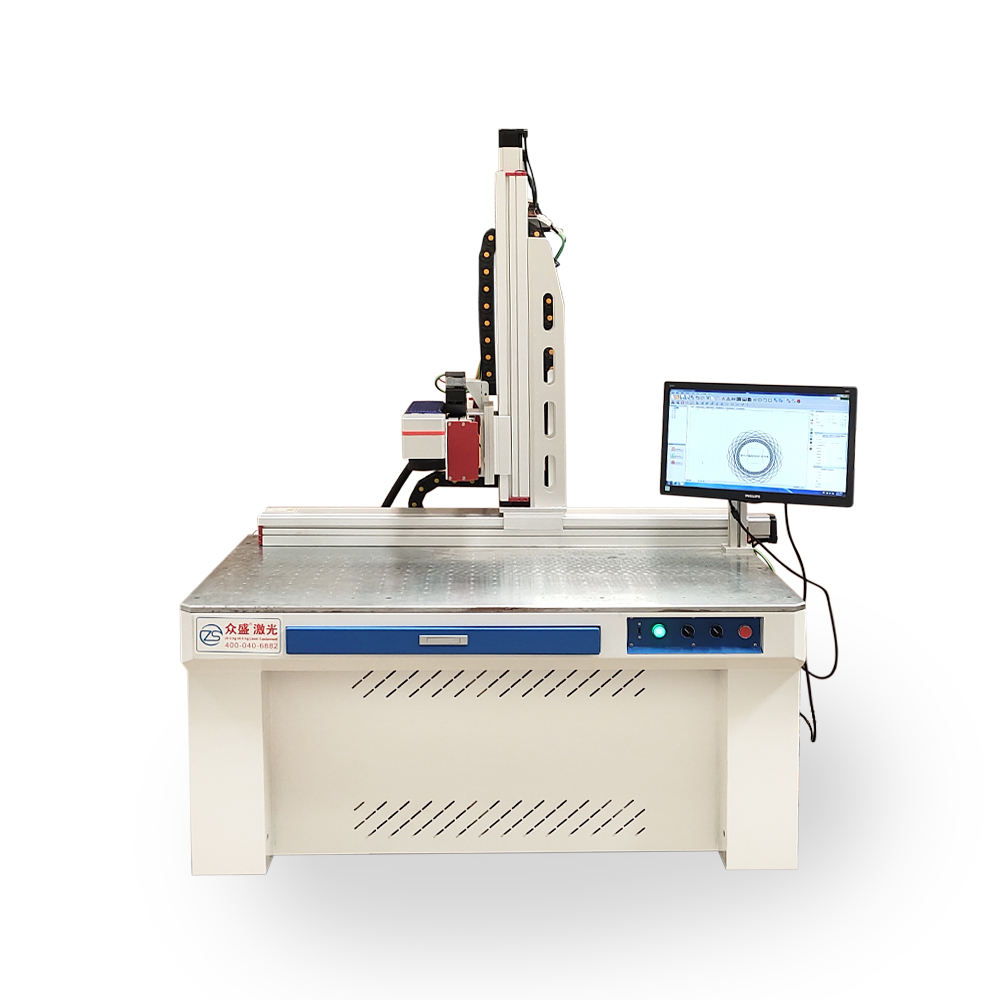
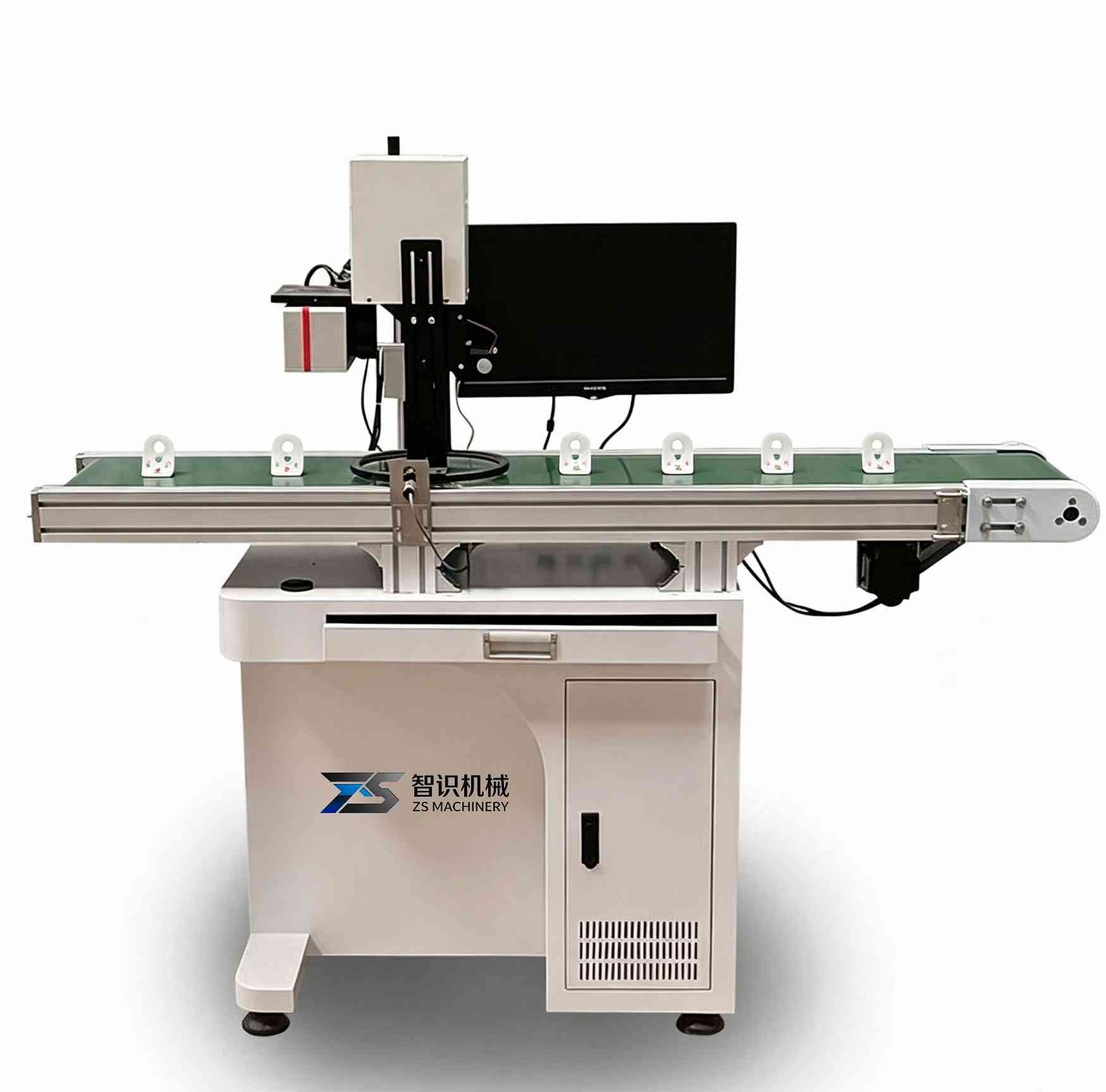
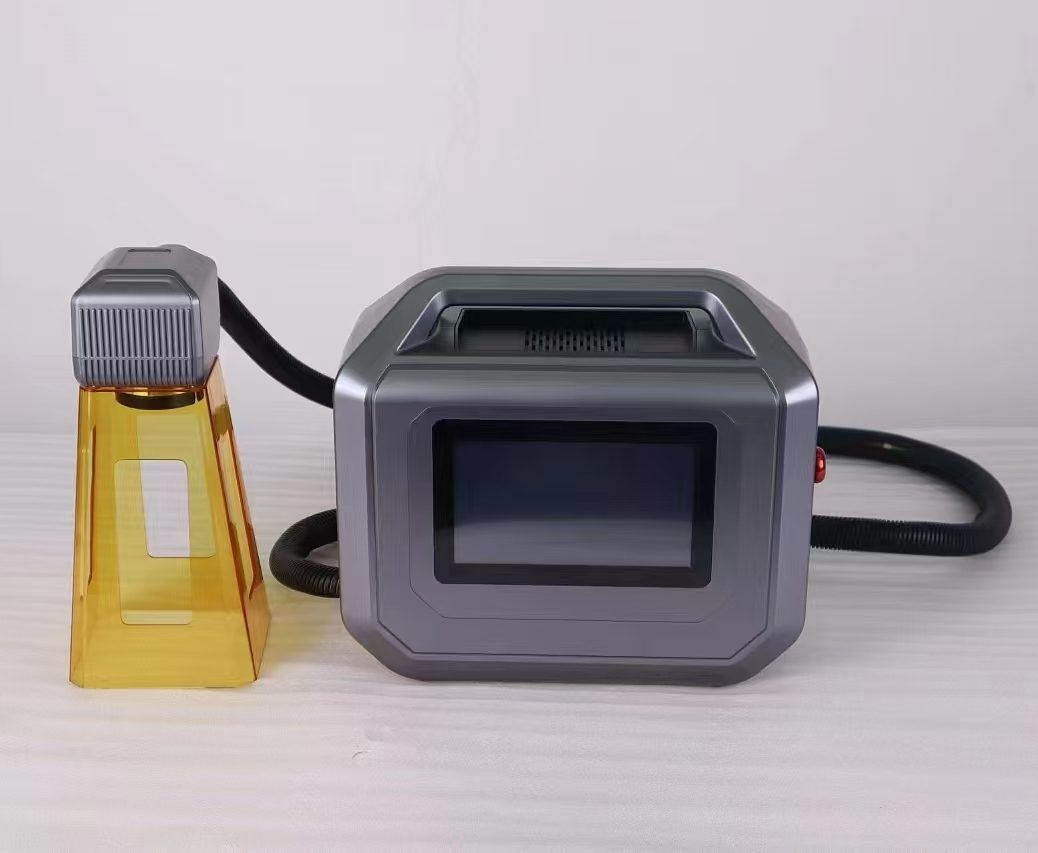
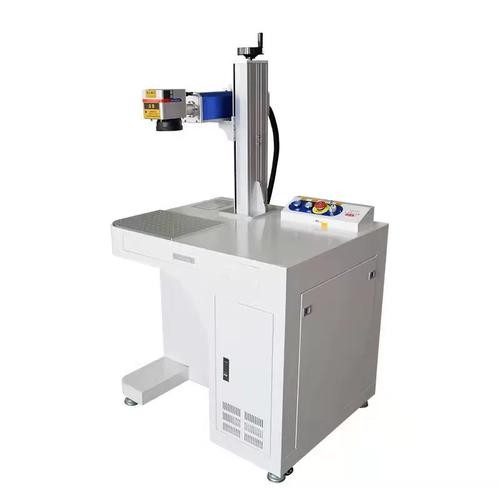
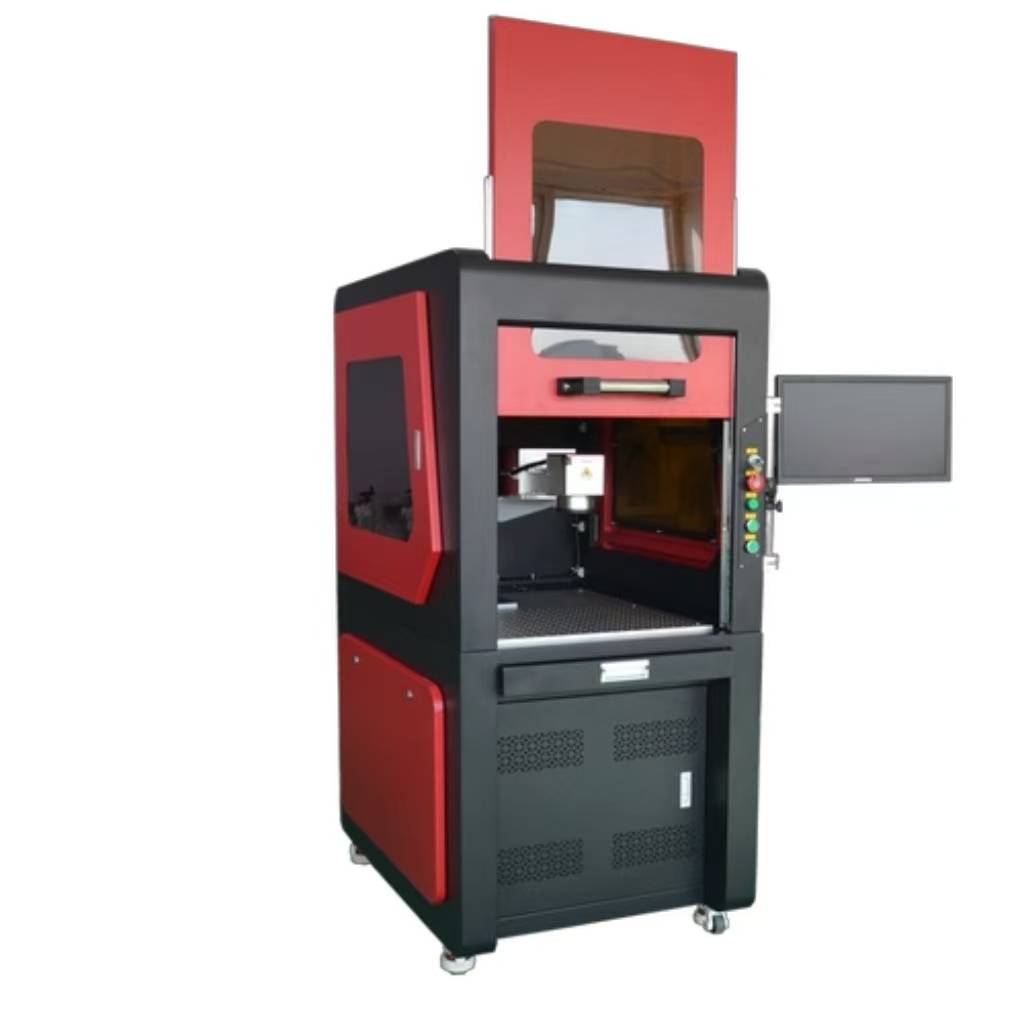
The ZS Machinery fiber laser engraver for firearms is designed for industrial metal marking applications where clear identification, consistent marking quality, and repeatable processing are important. With configurable laser power, precision galvanometer scanning, customized fixtures, and optional enclosed workstation designs, the system can be adapted to different metal components and production environments.
For firearm manufacturers and qualified metal-processing companies, laser marking is not simply about engraving text onto a surface. The process may require consistent character quality, accurate positioning, controlled marking depth, and reliable management of variable identification data.
ZS Machinery provides application-based laser marking solutions to help manufacturers select a suitable configuration according to their materials, workpieces, production requirements, and applicable marking standards.
fiber laser engraver for firearms
Why Choose a Dedicated Fiber Laser Engraver for Firearms?
A general-purpose fiber laser marking machine can process many metal materials. However, industrial identification applications may require additional considerations beyond the laser source itself.
A dedicated configuration can combine a suitable laser, appropriate optics, customized workholding, marking software, and safety features in one system.
Permanent Metal Identification
Fiber laser marking can create durable identification marks on compatible metal surfaces through surface modification or controlled material removal.
Depending on the material and processing parameters, applications may include manufacturer identification, serial numbers, model information, logos, and other traceability information.
The required result should be established before selecting the laser configuration. Surface marking and deeper engraving involve different processing requirements.
Consistent Marking Quality
For production environments, marking consistency is often as important as marking speed. A properly configured machine can help maintain repeatable positioning, character appearance, and processing parameters across production batches.
The actual consistency depends on the optical configuration, fixture design, workpiece variation, and process control.
Customized Workholding
Metal components can vary significantly in shape, dimensions, and surface geometry. A customized fixture can help position compatible workpieces consistently and reduce manual alignment errors.
Depending on the application, ZS Machinery can evaluate adjustable supports, dedicated fixtures, and other positioning arrangements.
Digital Identification and Traceability
The marking software can be configured for supported variable-data applications, such as serial numbers, text, logos, and selected machine-readable codes.
For manufacturers managing multiple product batches, the marking workflow can also be evaluated for integration with production data or existing identification systems.
Recommended Laser Power: 30W, 50W, or 100W?
Laser power is an important selection factor, but it should not be used as the only indicator of engraving capability. Material composition, surface condition, pulse characteristics, optics, marking area, and processing time also influence the final result.
ZS Machinery recommends evaluating a 50W fiber laser marking machine as a versatile starting configuration for many industrial metal identification applications. Other power options can be selected according to the required marking result and production volume.
30W Fiber Laser
A 30W fiber laser may be suitable for routine metal identification tasks where the primary requirements are readable text, logos, and other relatively shallow marks.
It can be considered when the required marking result does not demand extensive material removal or particularly high processing throughput.
50W Fiber Laser — A Versatile Industrial Option
A 50W fiber laser offers a useful balance of processing capability, productivity, and equipment cost for many general industrial metal marking applications.
Compared with lower-power configurations, it can provide greater flexibility for applications requiring faster processing or more substantial material removal, subject to the laser source and process settings.
For manufacturers handling a variety of compatible metal components, 50W is a practical configuration to evaluate before deciding whether a lower or higher power is necessary.
60W–100W Fiber Laser
Higher-power configurations can be evaluated when the application requires increased material removal, improved processing throughput, or more demanding production capacity.
However, higher power does not automatically guarantee better character quality or a particular engraving depth. The optical setup and processing parameters must still be matched to the material and required result.
Important: If the application requires a specified minimum marking depth or other regulated marking characteristics, these requirements must be verified through appropriate sample testing and measurement. The final machine configuration should be based on demonstrated results rather than power ratings alone.
Which Metal Materials Can Be Marked?
Fiber laser marking systems are widely used for compatible metal materials. The actual result depends on the alloy, surface finish, coating, and required marking effect.
Steel and Stainless Steel
Fiber lasers are commonly used to mark compatible steel and stainless steel components. Depending on the process, the result may be a contrasting surface mark or an engraved mark involving material removal.
Different grades and surface finishes can respond differently, so testing is recommended when appearance, readability, or depth is critical.
Aluminum and Aluminum Alloys
Aluminum components may require different parameter settings depending on whether the surface is bare, anodized, coated, or otherwise treated.
The required contrast and surface appearance should be confirmed using representative samples.
Coated and Treated Metal Surfaces
Some coated surfaces can be marked by modifying or removing part of the coating. However, coating composition and thickness affect the result.
A sample test helps determine whether the process can produce the required contrast without unacceptable damage to the surrounding surface.
Material Compatibility Must Be Verified
The term firearm metal parts does not describe one uniform material. Different components may use different alloys, heat treatments, finishes, or coatings.
For this reason, ZS Machinery recommends evaluating the actual workpiece and its surface condition before confirming the laser source, power, and process parameters.
Applications of Fiber Laser Engraving in the Firearms Industry
A fiber laser engraver can be used for metal identification and product marking across different segments of the firearms industry. Depending on the material, surface finish, and workpiece geometry, it can mark compatible components used in pistols, rifles, shotguns, and other commercially manufactured firearms.
For manufacturers, the main applications include product identification, manufacturer branding, model information, and production traceability.
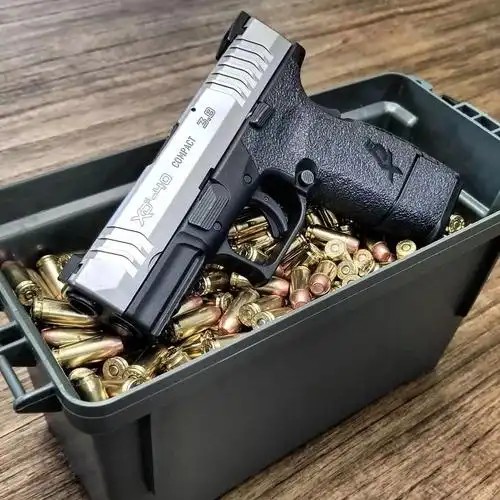
pistol laser marking samples
Pistol and Handgun Marking
Fiber laser marking equipment can be used to mark compatible metal surfaces on commercially manufactured pistols and other handguns.Typical marking content includes:
- Manufacturer names and logos
- Model names and product identification
- Serial numbers and other required identification information
- Caliber designations, where applicable
- Batch codes and manufacturing information
The final marking result depends on the component material and surface treatment. For polymer-framed handguns, metal components and polymer components may require different marking processes.
Rifle and Shotgun Identification
Manufacturers of rifles and shotguns may use fiber laser marking systems for product identification and traceability on compatible metal surfaces.
Applications can include marking manufacturer information, model designations, serial numbers, logos, and other product information required by the manufacturer or applicable regulations.
The system can be configured for different workpiece dimensions and marking locations, subject to the machine’s working area and fixture design.
Firearm Receivers and Metal Components
Receivers and other compatible metal components may require permanent identification during manufacturing. A fiber laser marking system can be evaluated for marking appropriate surfaces according to the material, geometry, and applicable requirements.
Other potential applications include metal housings, compatible external metal components, and manufacturer identification plates.
Because components differ in material, coating, and geometry, representative samples should be tested before the final configuration is confirmed.
Firearm Accessories and Related Products
Beyond complete firearms, fiber laser marking equipment can also be used for identification and branding on compatible metal accessories and related products, such as:
- Metal mounting accessories
- Metal equipment housings
- Compatible metal identification plates
- Product labels and nameplates
- Manufacturing tools and fixtures
- Storage and equipment components
These applications may involve logos, model references, batch information, and traceability codes.
Serial Numbers, Logos, and Product Traceability
One of the most important applications is permanent product identification. Depending on the customer’s requirements and the selected software configuration, a fiber laser marking system can process:
- Serial numbers
- Manufacturer names and logos
- Model designations
- Caliber or product specifications, where applicable
- Production batch and lot information
- Dates or other variable manufacturing data
- Supported barcodes and QR codes
Variable-data functions can help manufacturers manage different identification records across production batches. The exact workflow depends on the marking software and any required connection to the customer’s production data system.
Choosing the Right Configuration for Each Application
Different products and components may require different fixtures, marking areas, laser power, and workstation arrangements. A 50W fiber laser is a useful starting point to evaluate for many industrial metal-marking applications, while the final power selection should be based on the required result and production rate.
For components with complex shapes, customized workholding can help achieve repeatable positioning. An enclosed workstation may be appropriate for fixed production environments, subject to the required laser-safety assessment.
For regulated firearm identification, manufacturers should confirm the applicable requirements for marking content, dimensions, depth, location, and legibility before production. ZS Machinery can evaluate the proposed configuration through application review and representative sample testing.
Dedicated Fixtures and Positioning Options
Workholding is an important part of an industrial marking system. Even a capable laser cannot produce consistent results if the workpiece moves or is positioned differently between cycles.ZS Machinery can evaluate customized fixtures and positioning options according to the geometry and handling requirements of the customer’s workpieces.
Customized Workpiece Fixtures
A fixture can help maintain a repeatable position during marking and reduce manual alignment work.
The design depends on the part dimensions, available marking surface, loading method, and required production workflow.
Adjustable Positioning
For applications involving more than one compatible part size, adjustable positioning arrangements may help accommodate product variations.
The range of adjustment and repeatability should be established during the machine design process.
Rotary and Motion-System Options
A rotary axis or additional motion system may be considered when a workpiece requires marking at different positions or on compatible curved surfaces.
These options should be selected according to the actual geometry and process requirements rather than added automatically to every machine.
Enclosed Laser Marking Workstation and Safety Options
For fixed industrial installations, an enclosed workstation may be preferable to an open marking arrangement.
A suitable enclosure can help contain laser radiation during normal operation and provide a more controlled working environment. The complete machine must be evaluated as a system, including the laser source, viewing window, access points, interlocks, and operating procedures.
Depending on the application and destination market, safety-related options may include:
- A protective enclosure designed for the specified laser source
- Door interlocks where appropriate
- Emergency-stop functions
- Controlled operator access
- Clear operating and maintenance instructions
- Appropriate extraction or ventilation where the marking process produces fumes or particulates
The necessary safeguards depend on the laser classification, risk assessment, installation, and applicable local requirements. An enclosure should not be assumed to make a machine safe unless the complete design has been properly assessed.
ZS Machinery can evaluate an enclosed workstation configuration according to the customer’s production environment and safety requirements.
How to Select the Right Configuration
Before ordering a fiber laser engraver for an industrial identification application, manufacturers should establish the following requirements.
1. Define the Required Marking Result
Identify the required content and appearance, including whether the application calls for a surface mark, coating removal, or measurable engraving depth.
2. Confirm the Material and Surface Condition
Provide the material grade where known, along with details of any coating, anodizing, heat treatment, or other surface finish that could affect the process.
3. Determine Production Requirements
The number of parts per shift, acceptable cycle time, changeover frequency, and data-management requirements all influence the appropriate configuration.
4. Establish Positioning and Handling Needs
Confirm how the workpieces will be loaded, held, aligned, and removed. This helps determine whether a standard worktable or customized fixture is appropriate.
5. Evaluate Safety and Installation Requirements
The machine layout, enclosure, extraction needs, operator access, and applicable local regulations should be considered before finalizing the design.
6. Validate the Application
Where practical, use representative material samples to evaluate the marking result and confirm that the proposed machine can meet the documented requirements.
Why Choose ZS Machinery?
ZS Machinery brings more than 10 years of industry experience to industrial laser equipment projects. Our approach focuses on matching the machine configuration to the application rather than recommending the same setup for every customer.
Application-Based Recommendations
We consider the material, surface condition, marking requirements, production volume, and working environment before recommending a laser source and power configuration.
Customized Machine Design
Depending on the project, the system may include customized fixtures, positioning arrangements, an enclosed workstation, or selected automation features.
Practical Process Evaluation
Material behavior varies between alloys, coatings, and surface treatments. Sample testing helps establish realistic expectations for marking appearance, depth, and cycle time.
Support Beyond Equipment Selection
We can discuss the machine configuration, installation requirements, marking workflow, and options for adapting the system to an industrial production process.
Our goal is to provide a practical laser marking solution based on the customer’s actual application and verified processing requirements.
Request a Fiber Laser Marking Solution
If you are evaluating a fiber laser engraver for an industrial metal identification application, ZS Machinery can help assess the required laser power, marking area, fixture design, and workstation configuration.
When contacting us, please provide:
- The material and surface finish
- The workpiece dimensions and available marking area
- The required marking content and appearance
- Any documented depth or readability requirements
- The expected production volume and cycle time
- Photos, drawings, or representative samples where available
- The destination market and relevant compliance requirements
Based on this information, we can discuss a suitable configuration and determine whether sample testing is needed before a final proposal.
Contact ZS Machinery to discuss your industrial fiber laser marking project and request an application-based machine recommendation.