3D Marking vs 2D Laser Marking: What’s the Difference and Which One Should You Choose?
In modern manufacturing, 3D marking is becoming an increasingly important technology, especially for industries dealing with complex parts and high-precision requirements.
However, many users still rely on traditional 2D laser marking systems without fully understanding the limitations—and more importantly, when it’s necessary to upgrade to 3D laser marking.
So what exactly is 3D marking? How is it different from 2D laser marking? And which one is right for your application?
ZS Machinery will give you a clear, practical answer.
3D Marking VS 2D Marking
What is 3D Marking?
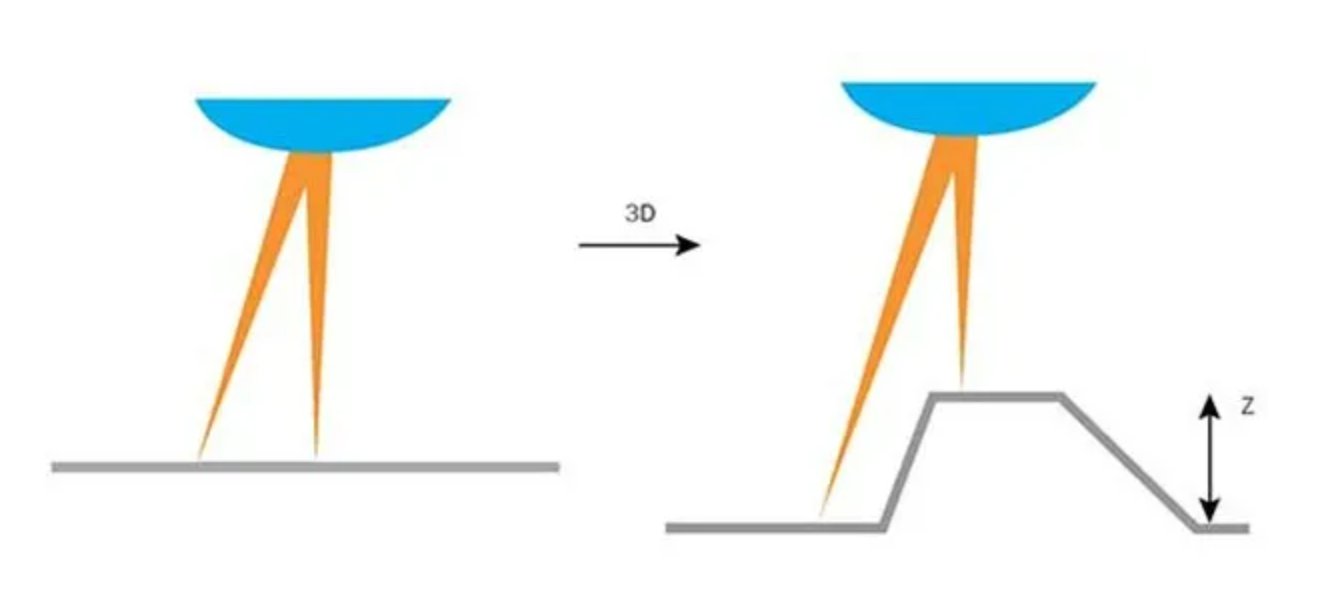
3D marking (or 3D laser marking) refers to a laser processing technology that can dynamically adjust the focal length (Z-axis) during marking.This allows the laser beam to stay perfectly focused across surfaces with varying heights, including:
Curved surfaces
Inclined planes
Stepped structures
Irregular geometries
Unlike traditional systems, 3D laser marking ensures consistent marking quality across the entire workpiece, regardless of its shape.
What is 2D Laser Marking?
2D laser marking is the most common type of laser marking system. It operates with a fixed focal length, meaning the laser is only optimized for a single flat plane.
It works well for:
Flat metal plates
Standard components
Simple industrial marking
However, once the surface height changes, the laser loses focus, resulting in:
Blurred markings
Uneven depth
Distorted patterns
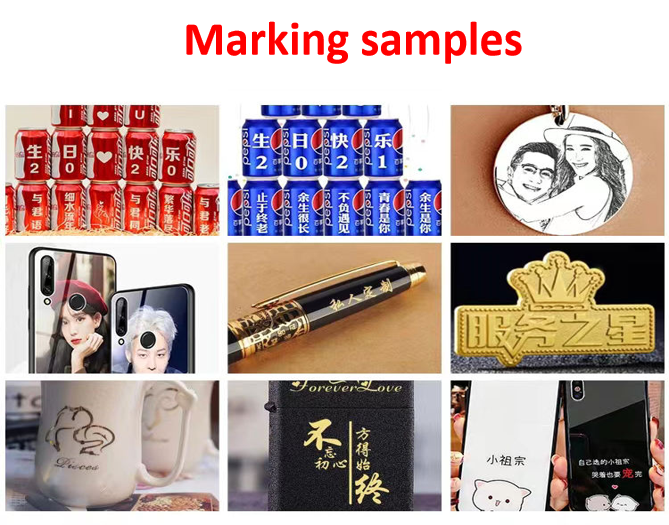
2D Marking Samples
3D Marking vs 2D Laser Marking (Core Differences)
| Feature | 2D Laser Marking | 3D Laser Marking |
| Focus Control | Fixed | Dynamic (Z-axis adjustable) |
| Surface Capability | Flat only | Curved & irregular surfaces |
| Marking Quality | Degrades on uneven surfaces | Consistent across all surfaces |
| Engraving Depth | Limited | Stronger deep engraving capability |
| Processing Area | Limited | Larger with distortion correction |
| Flexibility | Low | High |
In simple terms:
2D laser marking = Flat surface solution
3D marking = Complex surface solution
How Does 3D Laser Marking Work?
The key to 3D marking lies in two core technologies:
1.3D Galvo Scanning System
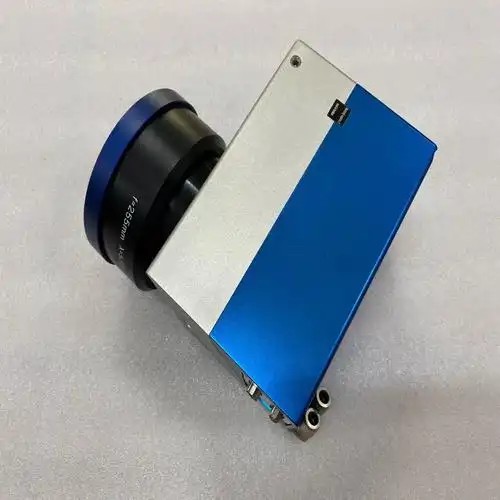
Unlike standard systems, a 3D laser marking machine includes an additional control for the Z-axis, allowing the focal point to move dynamically.
The workpiece stays still — the focus moves instead
2.Advanced 3D Software
Supports 3D model import (STL files)
Automatically calculates focus positions
Optimizes laser paths for complex geometries
This ensures precise marking even on highly irregular surfaces.
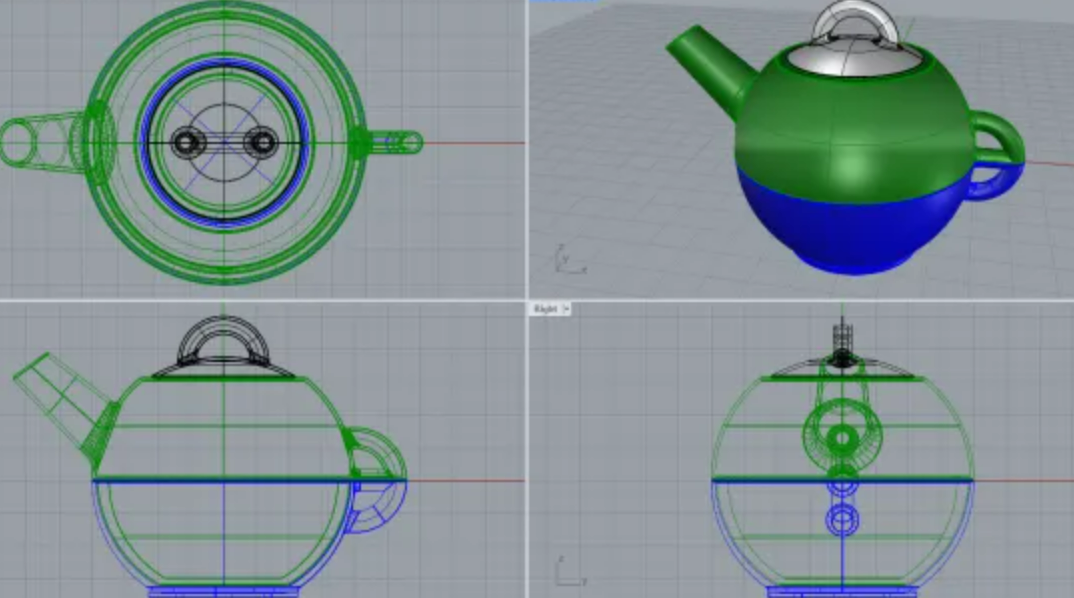
3D Marking Control Software
Key Advantages of 3D Marking
1.Laser Marking on Curved Surfaces
One of the biggest advantages of 3D laser marking is the ability to mark on:
Cylindrical objects
Spherical surfaces
Complex molded parts
No need for repositioning or multiple setups.
2.Improved Deep Engraving Capability
3D marking systems support layered engraving with focus adjustment, enabling:
Deeper engraving on metals
3D relief patterns
Mold texture processing
3.Better Large Area Marking
Traditional systems often suffer from distortion at the edges of large fields.
3D systems can:
Compensate for distortion
Maintain uniform marking quality
Support larger working areas
4.Higher Processing Flexibility
With 3D marking, a single machine can handle:
Flat parts
Curved parts
Complex structures
This reduces the need for multiple machines or fixtures.
Applications of 3D Laser Marking
Mold Industry
Mold engraving
Surface texturing
Complex geometry processing
Automotive Parts
Curved component marking
Engine part identification
Structural part engraving
Electronics & 3C
Mobile phone housings
Electronic casings
Precision components
Hardware & Industrial Parts
Irregular metal parts
Tools and mechanical components
Jewelry & Custom Products
Rings and bracelets
Personalized engraving
Decorative designs
When Should You Choose 3D Marking?
You should consider 3D laser marking if your application involves:
Curved or uneven surfaces
Height differences across the workpiece
Deep engraving requirements
Large marking areas
High-end or complex products
When is 2D Laser Marking Enough?
A 2D laser marking machine is still the best choice if:
Your parts are flat
You only need surface marking
Production is simple and repetitive
Budget is limited
Common Misunderstandings About 3D Marking
❌ “3D marking is always faster”
Not necessarily. It’s more about capability, not speed.
❌ “3D marking is only for engraving”
It also improves marking quality on complex surfaces, not just engraving depth.
❌ “2D machines can do everything”
They can handle simple tasks—but struggle with curved or irregular parts.
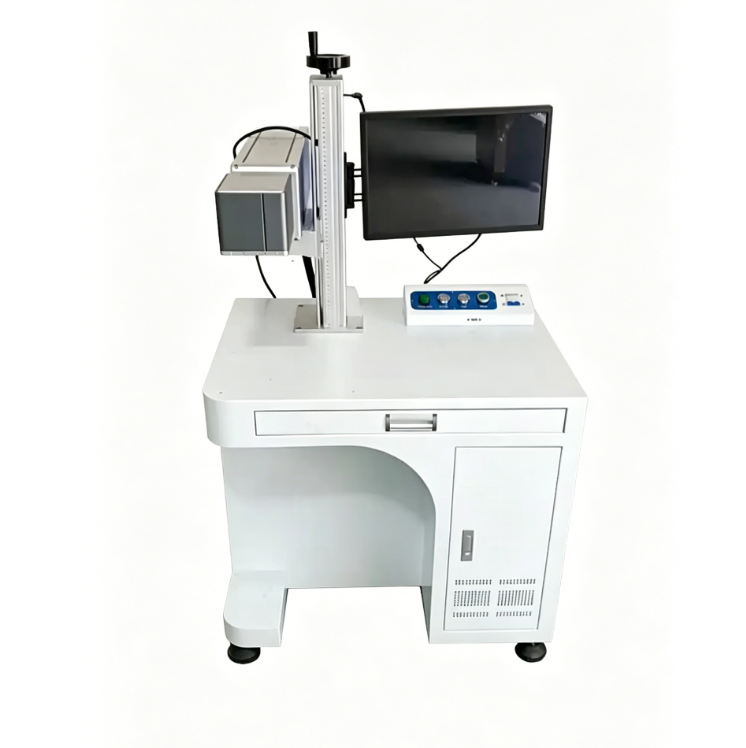
Conclution And Call To Action
As product designs become more complex, the demand for 3D marking continues to grow.
While 2D laser marking remains suitable for standard flat applications, 3D laser marking offers a significant advantage in flexibility, precision, and capability.
If your production involves curved surfaces, deep engraving, or complex geometries, upgrading to a 3D laser marking machine is not just an option—it’s a necessity.
Need Help Choosing the Right Solution?
At ZS Machinery, we specialize in laser marking solutions for both 2D and 3D applications.
Whether you are working with:
Flat metal parts
Complex 3D components
Deep engraving projects
We can help you select the most suitable configuration based on your materials, design, and production requirements.
Contact us today to get a customized laser marking solution tailored to your business.
How to Achieve Deep Engraving on Steel with a Portable Laser Engraver?