Laser Etching Machine: Complete Guide to Technology, Applications, and Selection
If you are searching for a laser etching machine, you are likely comparing it with laser engraving or laser marking.
But here is the key fact most supplier don’t clearly explain:Laser etching is not a different machine — it is a specific processing result controlled by laser parameters.
In this guide, we will go beyond basic definitions and explain:
What laser etching really is?
How it differs from engraving and marking?
Which machines are actually used?
How to choose the right system for your production?
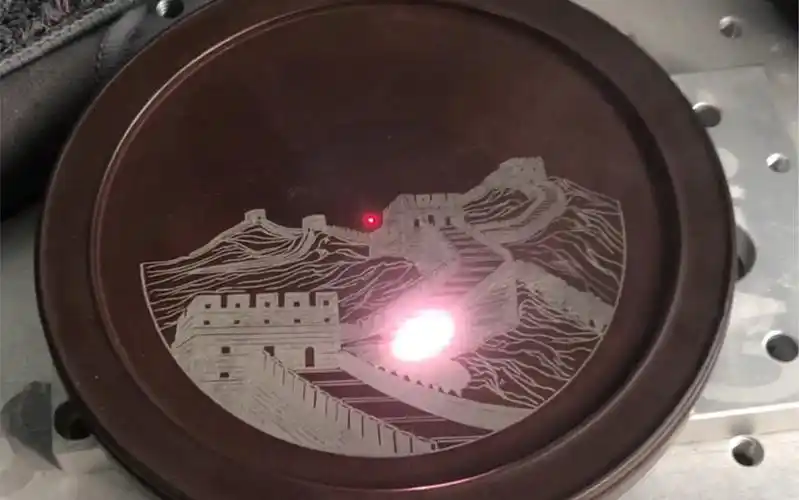
laser etching sample
What Is Laser Etching?
Laser etching is a surface-level material processing method where a laser beam slightly melts or expands the material to create a visible mark.
Unlike deep engraving, etching:
Does not remove significant material
Produces a shallow depth (typically < 0.05 mm)
Creates high contrast marks
How It Works (Technical Perspective)
A laser etching machine works by delivering controlled energy to the material surface:
1.The laser beam heats the surface rapidly
2.The material undergoes micro-melting or oxidation
3.This creates a contrast difference without deep removal
This is why etching is often used for:
Serial numbers
Logos
Barcodes / QR codes
Laser Etching vs Engraving vs Marking
This is where most confusion happens.
| Process | Depth | Method | Typical Result |
| Laser Marking | Very shallow | Surface reaction | Color change |
| Laser Etching | Shallow | Micro-melting | Contrast mark |
| Laser Engraving | Deep | Material removal | Physical depth |
Key Insight
Laser etching sits between marking and engraving.
Faster than engraving
More visible than basic marking
Less destructive to materials
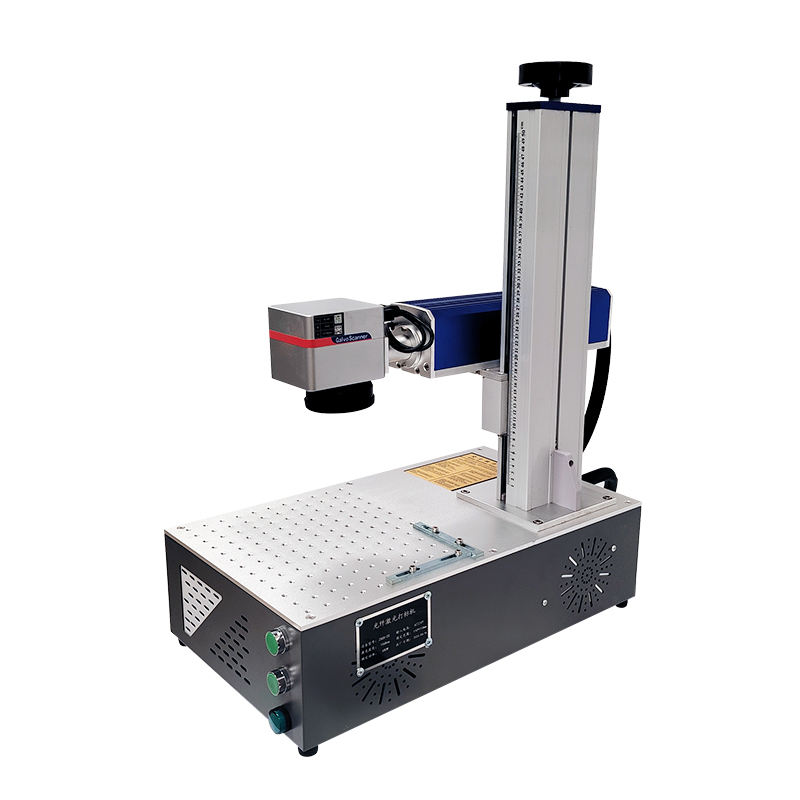
All In One Desktop Fiber Laser Marking Machine
What Machine Is Used for Laser Etching?
Here’s the truth most suppliers don’t say clearly:
There is no dedicated “etching machine”.A laser etching machine is typically:
A fiber laser marking machine (for metals)
A CO₂ laser system (for non-metals)
A UV laser system (for sensitive materials)
The difference is controlled by:
Power
Frequency
Speed
Focus
Best Laser Types for Etching
1.Fiber Laser (Most Common for Etching Metal)
Wavelength: 1064 nm
Best for:
Stainless steel
Aluminum
Brass
Advantages:
High speed
Strong contrast
Stable performance
2.CO₂ Laser (For Organic Materials)
Best for:
Wood
Acrylic
Leather
Produces:
Clean etched surfaces
Slight burning effect (desired in some designs)
UV Laser (High-Precision Etching)
Minimal heat impact
Ideal for:
Plastics
Glass
Electronics
Often used when surface quality matters more than speed.
Real Industrial Applications of Laser Etching Machines
Laser etching is widely used in industries where permanent, high-contrast marking is required.
Electronics
Used for:
PCB marking
IC codes
Micro QR codes
Why etching:
High precision
No damage to components
Automotive Parts
Used for:
Serial numbers
Metal parts identification
Why etching:
Resistant to oil, heat, and wear
Tools & Hardware
Used for:
Logos
Specifications
Why etching:
Clean and durable marking
Packaging & Branding
Used for:
Product identification
Decorative marks
Why etching:
No consumables
Eco-friendly
Key Parameters That Affect Etching Quality
This is where real experience matters.
Even with the same machine, results can vary significantly.
1.Laser Power
Too high → turns into engraving
Too low → poor visibility
2.Frequency & Pulse Width
Controls:
Heat input
Surface reaction
3.Scanning Speed
Faster → lighter marks
Slower → deeper etching
4.Focus Position
Critical for:
Line sharpness
Contrast
This is why:
Machine quality alone is not enough — tuning experience is critical
How to Choose the Right Laser Etching Machine
Instead of focusing only on specifications, consider:
1.Material Type
Metal → Fiber laser
Plastic / glass → UV laser
Wood / acrylic → CO₂ laser
2.Production Volume
Small batch → Desktop systems
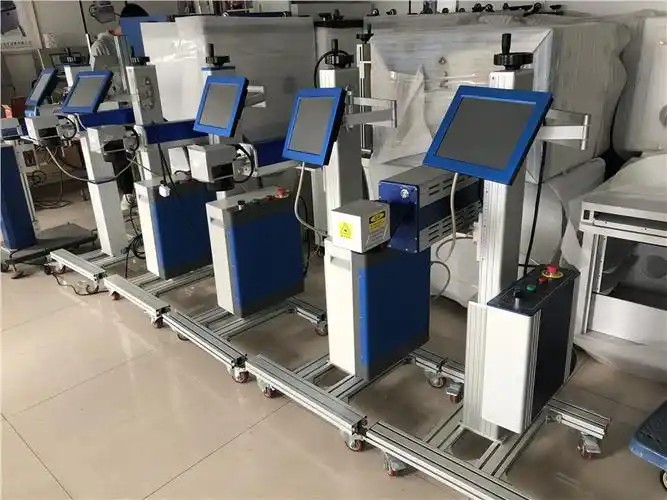
Mass production → Automated systems
3.Marking Requirement
High contrast → Etching
Deep marking → Engraving
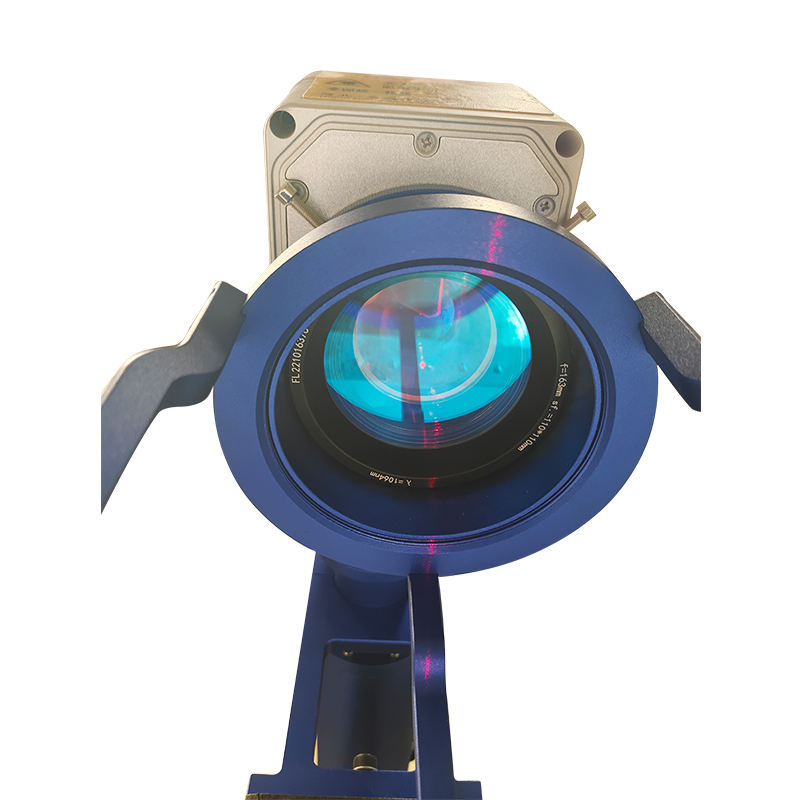
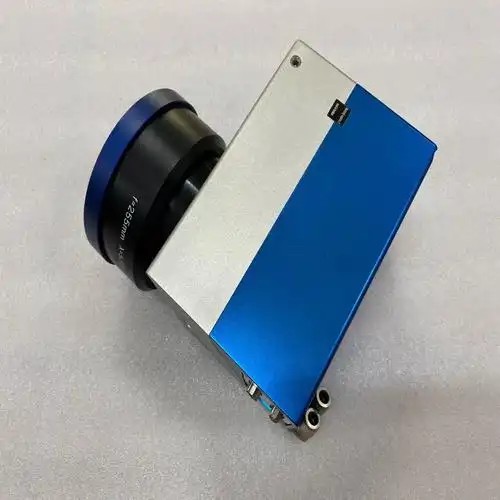
Laser Marking Machine Galvanometer
Why Supplier Experience Matters More Than Configuration
Many buyers focus only on:
Laser source brand
Power level
Components
But in real production:
The same configuration can produce completely different results depending on assembly and tuning.
Critical factors include:
Optical alignment
Parameter optimization
System stability
ZS Machinery Advantage
With over 10 years of experience in laser marking applications, ZS Machinery focuses on:
Strict quality control
Stable system integration
Application-based parameter tuning
Reliable after-sales support
All machines are tested before delivery and come with at least a 1-year warranty.
Conclusion
A laser etching machine is not a standalone category, but a specific use of laser technology.
Understanding:
Material behavior
Laser parameters
Application needs
is far more important than simply choosing a machine by name.
If you are unsure which system fits your application, contact ZS Machinery with your material and requirements—we will help you define the most efficient solution.
How to Choose Laser Engraver For Metal: Power, Equipment Types, and Configuration Guide