Laser Marking vs Laser Engraving: How to Choose the Right Laser Equipment
In the current manufacturing and customization industry, keywords such as laser engraving machine, laser engraving equipment, laser marking and laser engraving laser are frequently searched.However, many users often confuse one key question when selecting equipment:
What is the difference between Laser Marking and Laser Engraving? Can one machine handle both?
Below, ZS Machinery will systematically explain this from the perspectives of technical principles, machine configuration, processing capability, and application scenarios.
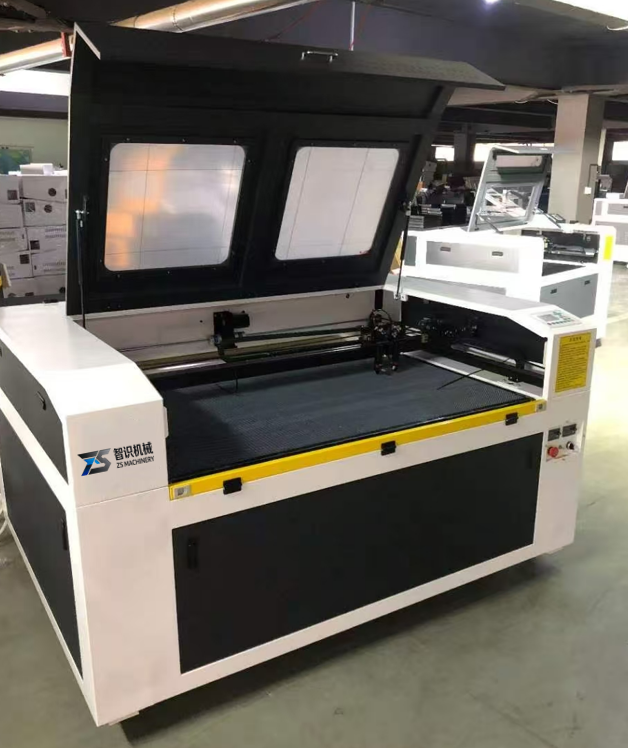
CO2 Laser Engraving Machine
1.Core Difference: Processing Depth
From a technical perspective, both laser marking and laser engraving use lasers to process materials. The difference lies in processing depth and working method:
Laser marking mainly changes the surface condition of the material, such as oxidation, discoloration, or slight melting, with almost no material removal.
Laser engraving, on the other hand, removes material through laser energy, forming visible depth, which belongs to subtractive processing.
Simply put, marking focuses more on identification, while engraving focuses more on material processing.
2.Equipment Differences: Power and Structure Determine Capability
Although laser marking machines can perform simple engraving, and engraving machines can also perform marking, there are still differences in design, mainly reflected in the following aspects:
2.1 Power Difference
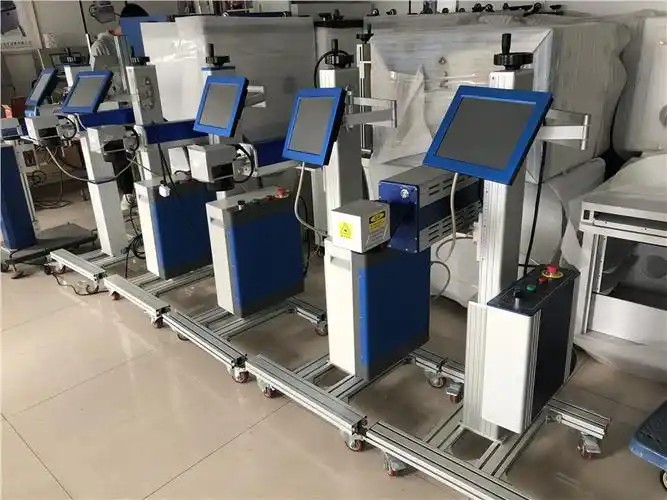
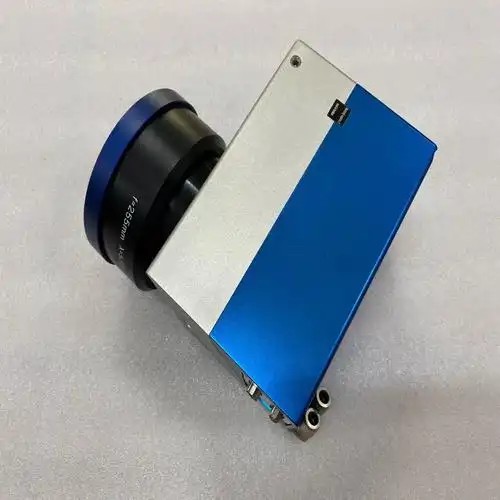
Laser marking machines usually have lower power, such as 20W, 30W, and 50W. For deeper marking requirements, higher power options such as 100W or even 300W are available.
Laser engraving machines generally start from 50W, with common power ranges of 100W–300W or higher. Higher power allows faster processing speed and supports larger working areas.
In theory, low-power marking machines can achieve engraving through multiple passes, but this results in low efficiency and wasted time.
2.2 Working Area Difference
Laser marking machines usually have smaller marking areas, such as:
100×100 mm
110×110 mm
150×150 mm
The maximum can reach about 300×300 mm. For larger marking areas, motion systems are usually required.
Laser engraving machines have significantly larger working areas, such as:
600×900 mm
1600×1000 mm
Larger sizes can also be customized, offering more flexibility.
Overall, engraving machines have much larger processing areas, which is closely related to their higher power.
2.3 Processing Capability Extension
When laser power increases further, such as reaching 1000W, the engraving machine essentially becomes a laser cutting machine.
Although low-power engraving machines can also perform cutting, the speed is limited. With sufficient power and proper cutting heads, thicker materials can be processed efficiently.
3.Laser Type Selection: Material Determines the Solution
Whether for marking or engraving, choosing the correct laser type is crucial.
For metal materials, fiber lasers are recommended.
The wavelength of 1064 nm makes them easier to be absorbed by metals.
Applicable materials include stainless steel, carbon steel, gold, silver, aluminum, copper, titanium, and various alloys.
Their advantages include high efficiency, strong engraving capability, and wide industrial application.
For non-metal materials, CO₂ lasers are recommended.
With a wavelength of 10.6 μm, they are easily absorbed by organic materials.They are suitable for processing wood, acrylic, leather, rubber, and paper.
These materials achieve high absorption rates and excellent engraving and cutting results.
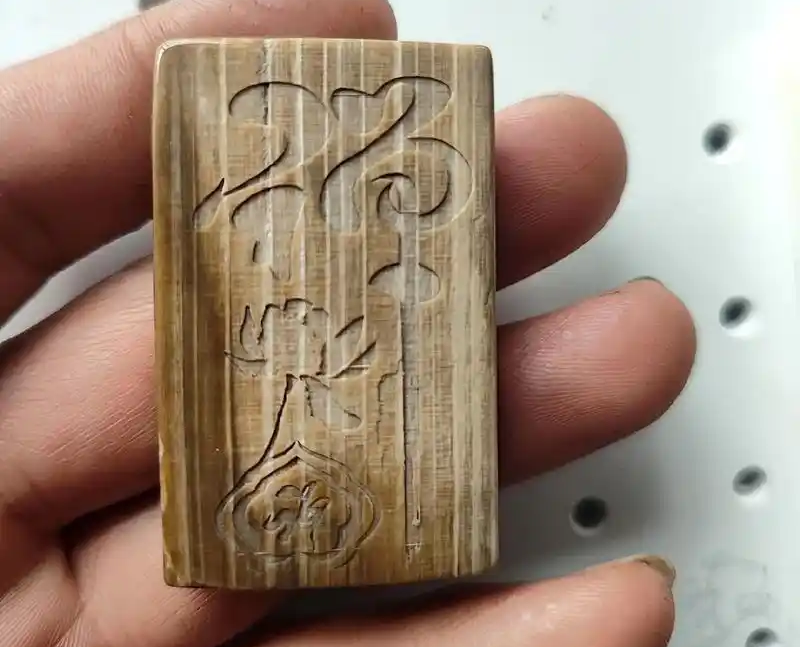
Laser engraving wood samples
4.Can One Machine Be Used for Multiple Purposes?
Many users ask whether one laser engraving machine can perform both marking and engraving.
The answer is: Yes, but with limitations
Fiber laser above 50W: suitable for marking and light engraving
High-power CO₂ machines: suitable for engraving and cutting
Low-power marking machines: not suitable for engraving due to low efficiency
Therefore, if your application involves deep processing or large-area engraving, it is recommended to choose a dedicated engraving machine.
If you only need small part engraving, a laser marking machine is sufficient.If you would like to learn more about the differences between the two, you can refer to marking vs engraving vs etching.
5.How to Choose the Right Equipment?
You can evaluate based on three key factors:
5.1Processing Requirement
Only marking → Laser marking machine
Need depth → Laser engraving machine
5.2Material Type
Metal → Fiber laser
Non-metal → CO₂ laser
5.3Production Scale
Small batch / small parts → Marking machine
Large batch / large size → Engraving machine
From a fundamental perspective, laser engraving laser and laser marking share the same technology. The key differences lie in power, depth, and application scenarios.
Laser marking: high precision, surface processing, suitable for industrial identification
Laser engraving: higher power, deep processing, suitable for manufacturing and customization
If your application is mainly product marking or small-part engraving, a marking machine is sufficient.
However, for structural processing, 3D effects, or large-size products, choosing a professional laser engraving machine will be more efficient and cost-effective.
If you are not sure which machine is suitable for your application, you can provide ZS Machinery with your material, size, and processing requirements, and we will help you develop a more suitable solution.
Laser Etching Machine: Complete Guide to Technology, Applications, and Selection