Plastic Label Engraving Machine: How to Mark and Engrave Plastic Labels
A plastic label engraving machine is used to permanently engrave or mark text, numbers, logos, symbols, barcodes, QR codes, and identification information on plastic labels. These labels are widely used for machinery, electrical equipment, control panels, cables, industrial components, asset identification, and product labeling.
Plastic labels can be manufactured from many different materials, and their response to laser energy varies considerably. ABS, acrylic, polycarbonate, PVC, and two-layer engraving plastics, for example, do not necessarily require the same processing method or laser parameters.For this reason, choosing a plastic label engraving machine should begin with the actual label material and the required marking result, rather than simply choosing a laser based on the word “plastic.”
What Is a Plastic Label?
A plastic label is a plate, tag, or identification piece made from plastic or polymer-based material and used to display information about a product, machine, component, or asset.Plastic labels are popular because they can be:
- Lightweight
- Economical
- Easy to manufacture
- Resistant to moisture
- Available in different colors
- Suitable for different shapes and sizes
A plastic label can contain simple text, but industrial applications often require more information.
For example:
MODEL: ZS-2000
VOLTAGE: 220V
SN: 20260826001
QR CODE
The marking method needs to provide sufficient contrast and durability for the intended application.
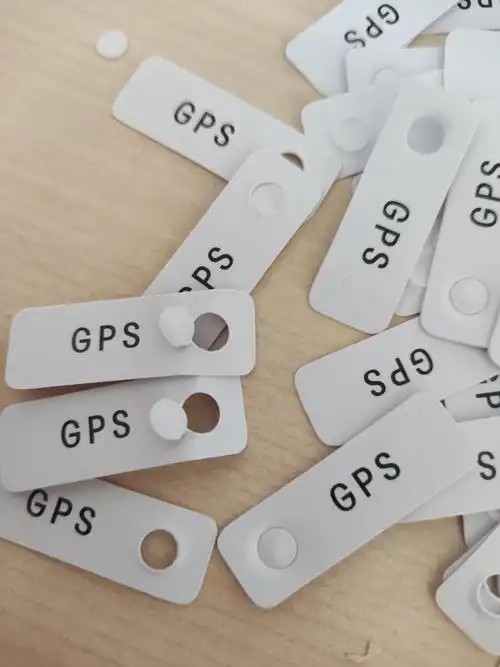
PVC Plastic Lables
What Types of Plastic Labels Can Be Engraved?
The term “plastic” covers a wide range of materials.This is one of the most important considerations when selecting a plastic label engraving machine.
Two-Layer Engraving Plastic
Two-layer engraving sheets are specifically designed for engraving applications.They typically consist of a thin surface layer with a contrasting color underneath.When the upper layer is removed, the contrasting layer becomes visible.For example:
Black Surface → White Core
After engraving:
White Text on Black Background
This makes two-layer engraving plastics particularly suitable for:
- Machine labels
- Control panel labels
- Electrical identification
- Equipment plates
- Switch labels
For this type of application, mechanical engraving machines and suitable laser systems can both be considered.
ABS Plastic Labels
ABS is widely used in industrial and electrical applications.Depending on the formulation and surface structure, ABS can potentially be processed using different laser technologies.However, not every ABS sheet behaves identically.The exact formulation, color, additives, and surface treatment can affect the final result.Therefore, sample testing is recommended before selecting production parameters.
Acrylic Labels
Acrylic can be processed using laser systems, particularly CO₂ lasers.Laser processing can produce detailed:
- Text
- Logos
- Patterns
- Identification information
Acrylic is also available in many colors and thicknesses, making it suitable for customized labels.
Polycarbonate Labels
Polycarbonate is known for its toughness and impact resistance and is used in certain industrial and electrical labeling applications.Laser processing may be suitable for some polycarbonate products, but the exact grade and additives matter.The manufacturer’s material specifications should always be checked before laser processing.
PVC Labels: An Important Safety Consideration
PVC requires particular attention.PVC contains chlorine, and laser processing of PVC can produce corrosive and hazardous fumes.For this reason, PVC should not simply be treated like ordinary laser-compatible plastic.Before processing any plastic material, the composition should be confirmed.
If a label material contains PVC or other chlorine-containing polymers, an alternative processing method may be more appropriate.This is an important consideration when selecting a plastic label engraving machine because the machine itself is only one part of the overall processing system.
Plastic Label Engraving vs. Laser Marking
The terms engraving and marking are often used interchangeably, but they can describe different processes.
Plastic Label Engraving
Engraving removes material from the surface.For example:
Surface → Material Removal → Recessed Text
This can create a physical depth that can be felt or measured.It is useful when the customer requires:
- Recessed text
- Physical engraving depth
- Durable identification
- Decorative engraving
Laser Marking
Laser marking can modify the appearance of the plastic surface without necessarily removing a significant amount of material.Depending on the material, the laser may:
- Change color
- Remove a surface coating
- Create contrast
- Modify the surface structure
For industrial labels, laser marking may be sufficient when the main requirement is clear identification rather than physical depth.This distinction is important because many customers searching for a plastic label engraving machine may actually need a laser marking machine.
Mechanical Engraving vs. Laser Engraving Plastic Labels
Laser is not the only technology available.Mechanical engraving remains a practical option for certain plastic labels.
Mechanical Engraving
A cutting tool physically removes material from the label.
Advantages
- Creates physical engraving depth
- Suitable for many two-layer engraving plastics
- Straightforward for certain small-batch applications
- Proven technology
Limitations
- Cutting tool wear
- Physical contact
- Tool replacement
- More mechanical movement
- Less convenient when designs change frequently
Laser Engraving
Laser engraving uses a focused laser beam instead of a cutting tool.
Advantages
- Non-contact processing
- No cutting bit
- High precision
- Digital design control
- Easy design changes
- Suitable for fine text and graphics
- Easier integration with automation
For manufacturers producing many different label designs, the ability to change the marking file digitally can be a significant advantage.
What Laser Is Best for Plastic Labels?
The appropriate laser depends on the polymer, color, additives, surface treatment, and desired result.
CO₂ Laser
CO₂ lasers are commonly used for non-metallic materials and can be suitable for many plastic label materials.They can be considered for:
- Acrylic
- Certain plastics
- Engraving sheets
- Non-metallic plates
CO₂ laser systems are particularly useful when the customer needs to process relatively large non-metallic sheets or perform cutting and engraving.
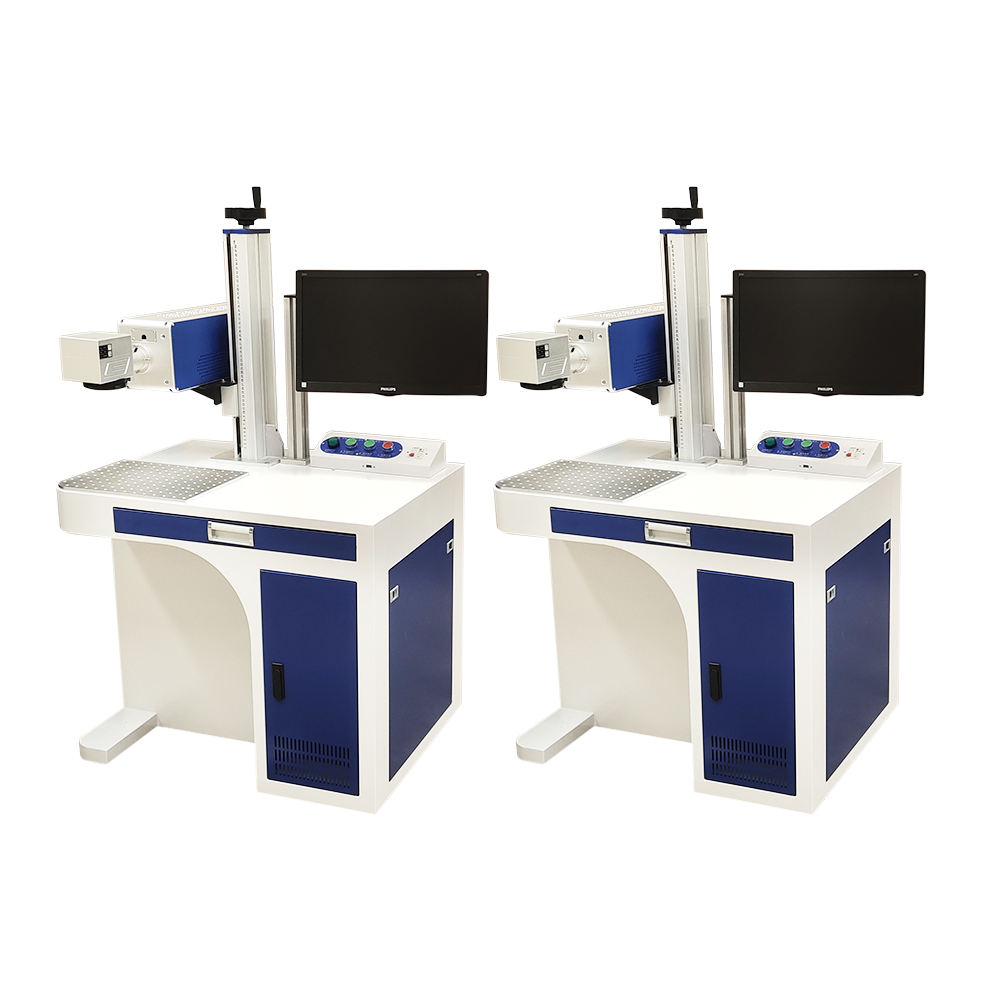
CO2 Laser Marking Machine
UV Laser
UV lasers operate at a shorter wavelength and can provide different absorption characteristics when processing certain plastics.They can be considered when the application requires:
- Fine marking
- Small text
- High-resolution graphics
- Low thermal impact
- Precision processing
However, UV is not automatically the best choice for every plastic.The specific polymer and desired marking effect still need to be evaluated.
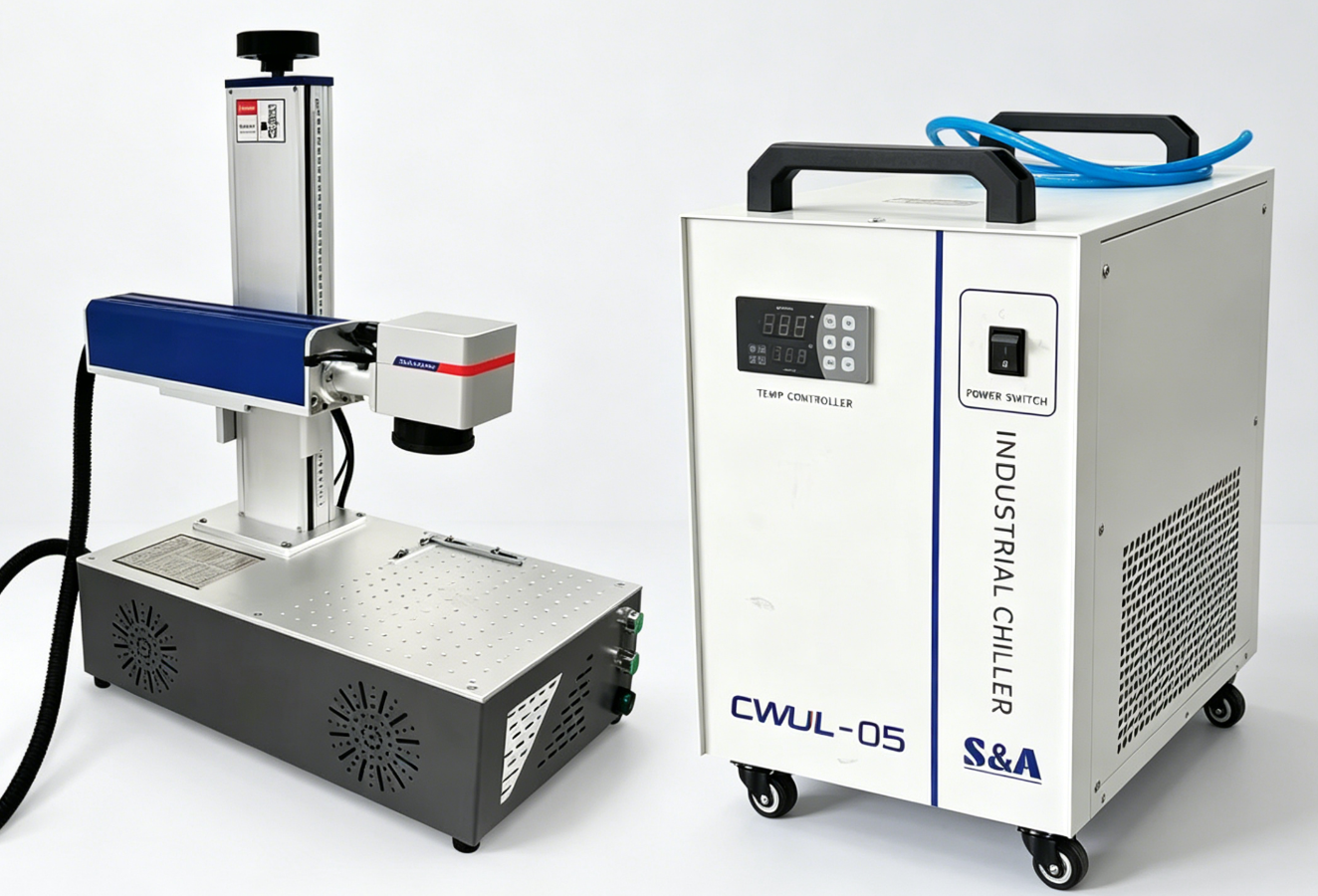
ZS Machinery UV Laser Marking Machine
Fiber Laser
Fiber lasers are primarily associated with metal processing, but certain plastic products can also be processed depending on their composition and surface treatment.
For example, specially engineered plastic marking materials may be designed to respond well to fiber laser wavelengths. For instance, animal ear tag marking typically involves adding laser powder to ABS material; using a fiber laser for marking can achieve excellent results.
How to Choose the Right Laser for a Plastic Label
A practical selection process is:
Identify Material → Check Composition → Define Marking Requirement → Sample Test → Select Laser → Optimize Parameters
The most important questions are:
What is the plastic?
Is it:
- Acrylic?
- ABS?
- Polycarbonate?
- Two-layer engraving plastic?
- Another engineered polymer?
What is the surface structure?
Is it:
- Single-color plastic?
- Coated?
- Laminated?
- Two-layer?
- Printed?
What result is required?
Do you need:
- High contrast?
- Surface marking?
- Deep engraving?
- Cutting?
- Fine text?
These questions can significantly change the recommended machine.
What Can Be Marked on Plastic Labels?
A plastic label engraving machine can be used for many types of information.
Text
Examples include:
- Product name
- Model
- Instructions
- Warning information
Serial Numbers
Serial numbers provide individual product identification.
QR Codes
QR codes can contain:
- Product information
- Equipment records
- Maintenance information
- Identification data
Barcodes
Barcodes are commonly used for inventory and asset management.
Logos
Manufacturers can add their company logo directly to the label.
Symbols
Industrial labels may contain:
- Electrical symbols
- Warning symbols
- Operating instructions
- Direction indicators
The laser system can therefore serve both identification and customization applications.
Can Plastic Label Engraving Be Fully Automated?
Yes, depending on the label design and production requirements.A fully automated system can be designed around a workflow such as:
Raw Labels
↓
Automatic Feeding
↓
Automatic Pick-Up
↓
Automatic Positioning
↓
Laser Marking
↓
Inspection
↓
Automatic Unloading
↓
Finished Labels
The level of automation should be determined according to the actual production process.A simple label with fixed dimensions is relatively straightforward to automate.Labels with multiple sizes, irregular shapes, or frequent manual inspection may require a more customized solution.
Customized Automatic Plastic Label Marking from ZS Machinery
At ZS Machinery, we have more than ten years of experience in laser marking equipment and customized automation projects.For customers producing plastic labels in larger quantities, we can design an automated laser marking system around the actual label and production process.Instead of providing only a standard laser machine, the system can be developed around requirements such as:
- Label size
- Label thickness
- Label shape
- Material
- Marking area
- Production volume
- Loading method
- Required cycle time
- Variable data requirements
- Factory layout
A customized system may integrate:
Automatic Feeding
→
Automatic Picking
→
Automatic Positioning
→
Laser Marking
→
Automatic Returning or Unloading
The operator only needs to place the unprocessed plastic labels in the designated loading position, while the machine automatically performs the subsequent operations.For applications involving serial numbers, QR codes, barcodes, or other variable information, the marking system can also be configured around the customer’s data workflow.This approach is particularly valuable for manufacturers that want to reduce repetitive manual handling while maintaining consistent marking quality.
Plastic Label Engraving Machine: Which Solution Is Right?
The most appropriate solution depends on the application.
| Application | Potential Solution |
|---|---|
| Two-layer engraving plastic | Mechanical or suitable laser engraving |
| Acrylic labels | CO₂ laser |
| Fine plastic marking | UV laser may be considered |
| Special laser-markable plastics | Fiber or UV depending on material |
| Small-batch production | Manual laser system |
| High-volume production | Automated laser marking system |
| Variable serial numbers | Laser + data integration |
| Mass production | Automatic feeding + positioning + laser marking |
The table should be treated as a starting point rather than a universal rule because the actual plastic formulation can significantly affect processing performance.
Final Thoughts
A plastic label engraving machine is not simply a smaller version of a metal engraving machine. Plastic labels can be made from many different materials, and each material can interact with laser energy differently.With more than ten years of experience, ZS Machinery can develop customized laser marking and automation solutions according to the customer’s actual label material, dimensions, production volume, and marking requirements.
If you are producing plastic equipment labels, electrical labels, control panel labels, asset labels, cable identification labels, or other industrial plastic labels, sample testing with the actual material is the best way to determine the appropriate laser technology and processing configuration.
Top 10 Laser Manufacturers in China 2026: Pattern Analysis of Domestic Laser Industry Leaders