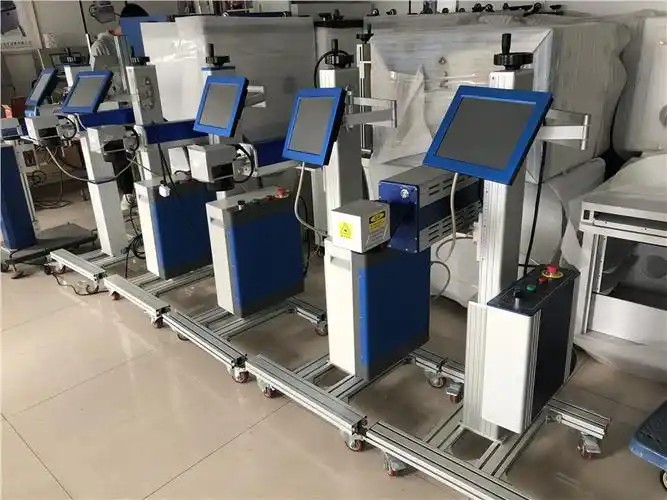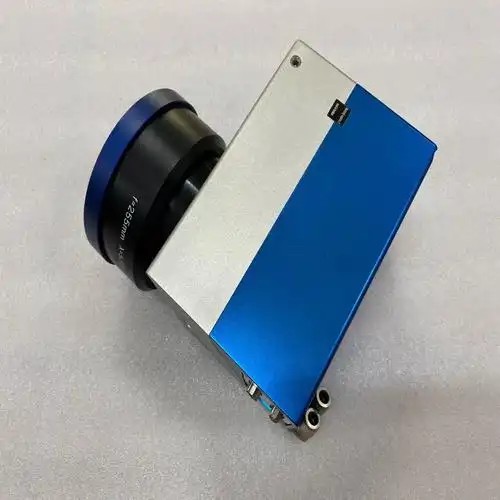
Laser Marking Machines for Wood: Complete Guide to Laser Marking and Engraving Wood
With the arrival of the era of personalized consumption, an increasing number of consumers are no longer satisfied with standardized products; instead, they seek customized items featuring exclusive identifiers, personalized patterns, and unique cultural value. This trend is particularly evident in the wooden crafts industry. Whether it is wooden bookmarks engraved with names, gift boxes with custom patterns, corporate branded gifts, or high-end rosewood crafts, personalized processing has become a vital way to enhance product value.
However, traditional manual carving is inefficient and time-consuming, mechanical engraving struggles to balance complex patterns with fine details, and techniques like screen printing or stickers are prone to wear and fading. With the advancement of laser technology, laser marking machines for wooden crafts have gradually become essential equipment in the woodworking industry. Through digital control systems, laser equipment can rapidly create permanent markings of text, logos, QR codes, photos, and complex patterns, achieving a seamless fusion of traditional craftsmanship and modern manufacturing technology.
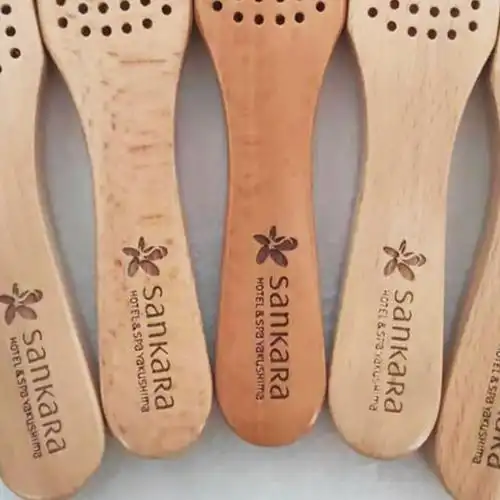
Laser Marking on wood tableware
I. Principles and Application Advantages of Laser Marking Technology for Wooden Crafts
Wood is a natural organic material composed mainly of cellulose, hemicellulose, and lignin. When a high-energy laser beam is focused on the wood surface, the local area generates high temperatures in an extremely short time, causing the material to undergo carbonization, oxidation, or vaporization, thus forming a permanent mark.
Depending on the laser parameter settings, various effects can be achieved, such as light-colored marking, dark-colored ablation, line engraving, and deep relief. Compared to traditional processing methods, laser marking offers the following advantages:
High Precision and Excellent Detail Expression:
The focused laser beam has an extremely small spot size, enabling high-precision processing. Whether it involves complex vector patterns, corporate logos, tiny text, QR codes, or serial numbers, everything can be presented clearly. For high-end wooden gifts and artistic crafts, laser processing captures details that are difficult to achieve with traditional tools.
Non-contact Processing, No Damage to Workpieces:
Laser processing is a non-contact technique that requires no tools to touch the wood surface. Consequently, it generates no mechanical stress and avoids problems like chipping, cracking, or tool marks. Wooden products that have already been painted, waxed, or finished can also be marked with high quality.
No Consumables, Environmentally Friendly:
Traditional printing processes require inks, solvents, and chemical agents, whereas laser marking uses only laser energy. The entire process has minimal pollution, meeting modern manufacturing requirements for eco-friendliness and green production.
Permanent Marking Effect:
Laser marks interact directly with the material body rather than adhering to a surface coating. Therefore, they do not suffer from peeling, fading, or wear like printed patterns. Even after long-term use, the markings remain clear and legible.
Support for Digital and Personalized Production:
Laser equipment can import design files directly, enabling “one-piece, one-pattern, one-code” processing. Companies can respond quickly to personalized orders without the need to create molds, greatly increasing production flexibility.
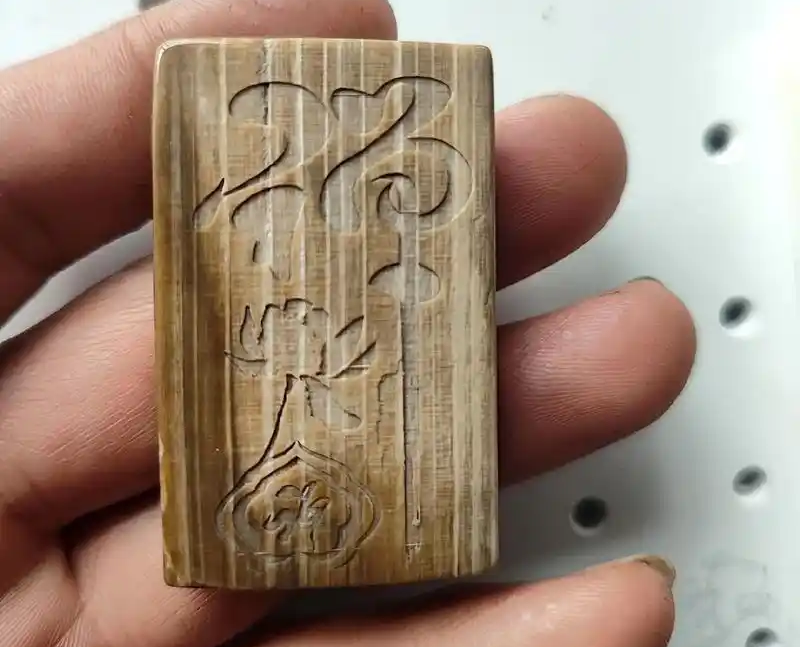
Laser engraving wood samples
II. Selection Guide for Wood Laser Marking Machines: Material + Budget + Scenario
For wooden craft manufacturers, choosing the right equipment requires a comprehensive view. Based on over ten years of industry experience, ZS Machinery provides selection recommendations across three dimensions: material, budget, and application scenario.
1. Material Matching: Laser Compatibility of Different Woods
Hardwood (Rosewood, Sandalwood, Dalbergia, etc.):
High density and hardness. We recommend 60W-100W CO₂ laser marking machines. The CO₂ laser wavelength (10.64μm) is highly absorbed by organic materials, allowing for deep engraving without excessive charring.
Softwood (Pine, Cedar, Basswood, etc.):
Softer and easier to process. 30W-60W CO₂ laser marking machines are sufficient; excessive power can lead to over-carbonization.
Composite Boards (MDF, Particleboard, etc.):
High surface density but soft interior. We recommend 15W-20W End-Pump laser marking machines. Their adjustable pulse width reduces heat conduction, preventing blistering or deformation.
Thin Wood Veneers and Bamboo:
Usually 1-3mm thick. Precise control is needed to avoid perforation. A 30W CO₂ laser marking machine with precision control software achieves perfect results.
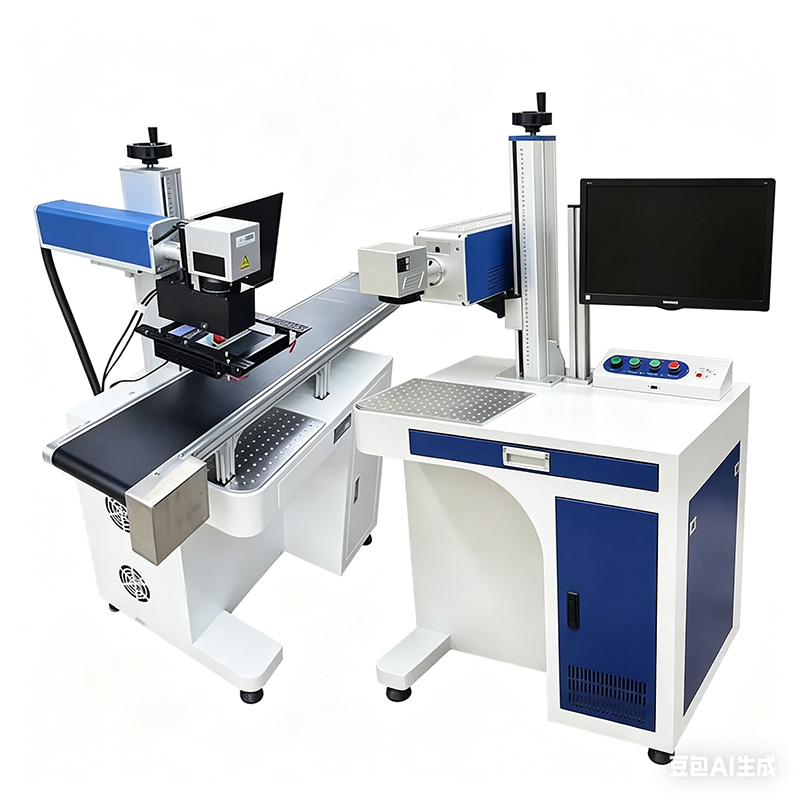
CO2 Laser Marking Machines
2. Budget Planning
Based on ZS Machinery’s market practice, equipment investment can be divided into three tiers:
Startup Workshop Level (Budget ≤ $1,400):
Suitable for single-piece customization or small-batch production. We recommend a 30W CO₂ desktop or cabinet laser marking machine with a 150×150mm working area.
Mid-Scale Production Level (Budget $1,400 – $4,200):
Suitable for batch orders and diverse products. We recommend a combination of a 60W CO₂ laser for main processes and a 15W End-Pump laser for fine detailing to enhance value.
Large-Scale Factory Level (Budget > $2,800):
Suitable for large-scale standardized production combined with personalized customization. We recommend XYZ large-format laser marking machines with automated loading/unloading systems, featuring working areas up to 1000×1500mm and capacities exceeding 500 pieces per hour.
3. Scenario Adaptation
Personalized Customization Studio:
Focuses on pattern complexity. Recommend 40W CO₂ lasers with high-speed galvanometers (≤7000mm/s).
Wooden Gift Batch Factory:
Focuses on efficiency and consistency. Recommend 60W CO₂ lasers with pneumatic clamping systems and batch processing software, integrated via MES for data synchronization.
Craft Carving Integrator:
Requires deep engraving. Recommend 100W CO₂ laser models capable of millimeter-level depth.
Wooden Packaging Factory:
Needs to handle various shapes. Recommend CO₂ laser machines equipped with a rotary axis for cylindrical or irregular curved surfaces.
III. Laser Marking Wood Practice in Top 10 Industry Application Scenarios
1.High-end Gift Industry:
Mahogany stationery, sandalwood bookmarks. (Recommended: 40W-60W CO₂ laser, ±0.02mm precision)
2.Home Decor Industry:
Wooden ornaments, photo frames. (Recommended: XYZ large-format laser marking machine)
3.Creative Cultural Industry:
Wooden postcards, souvenirs. (Recommended: 10W-20W End-Pump laser)
4.Toy and Education Industry:
Puzzles, building blocks. (Recommended: Eco-friendly gift-grade laser marking machine)
5.Musical Instrument Accessories:
Guitar parts, soundboards. (Recommended: 60W-100W CO₂ laser for depth control)
6.Wedding Gift Industry:
Invitations, commemorative plaques. (Recommended: 30W CO₂ laser for rapid design switching)
7.Corporate Business Gifts:
Name card holders, pen holders. (Recommended: CO₂ laser with vision positioning)
8.Tourism Souvenirs:
Keychains, scenic plaques. (Recommended: Standard 30W-60W CO₂ laser)
9.Religious Crafts:
Prayer beads, scripture plaques. (Recommended: High-precision CO₂ laser)
10.Furniture Decoration:
Door panels, wall decor. (Recommended: XYZ large-format fiber laser marking machine)
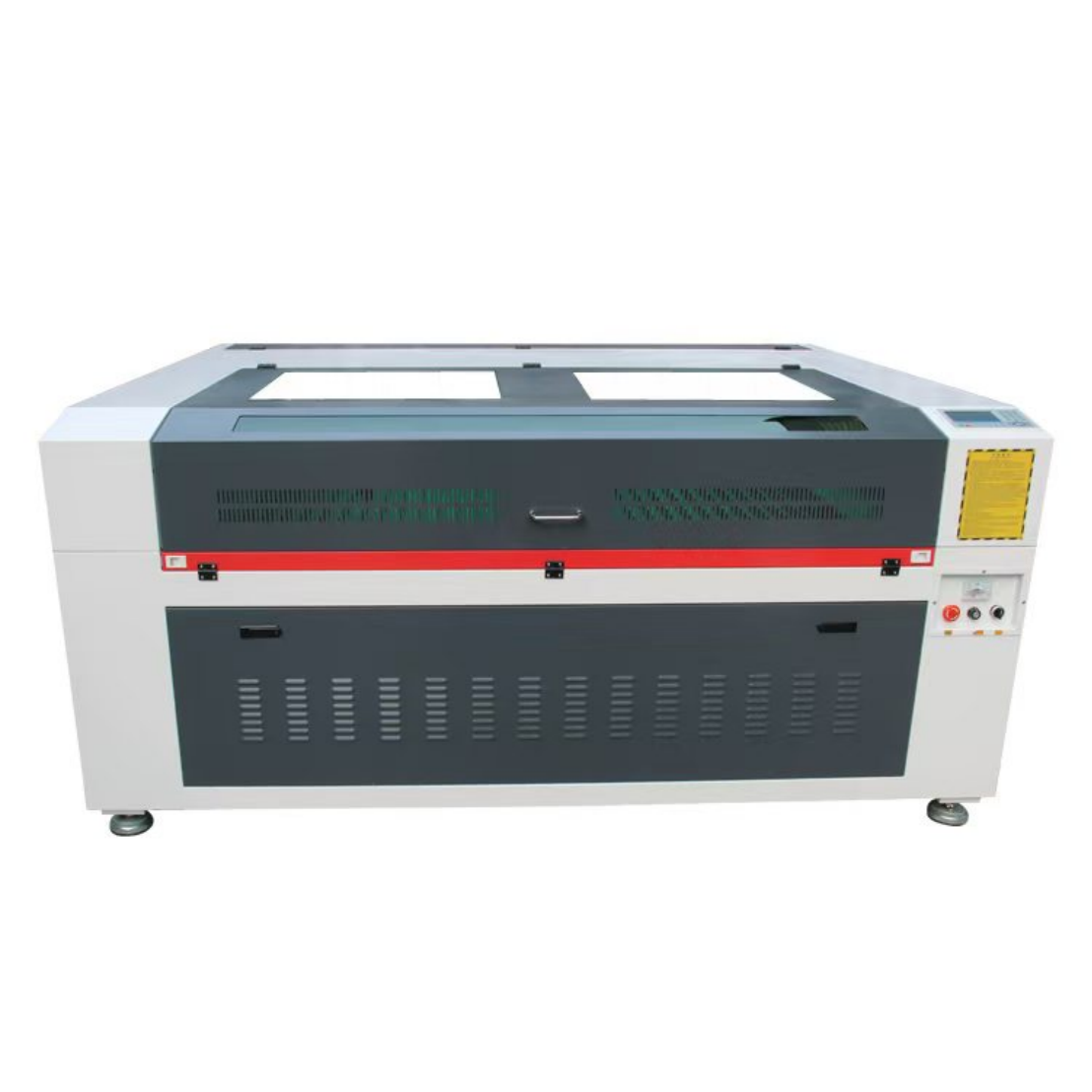
CO2 Laser Engraver
IV. Laser Marking Wood Core Technical Parameters
Laser Source & Power:
CO₂ lasers (30W-100W) are the primary choice. End-Pump lasers (10W-20W) are for high-detail, composite materials.
Precision & Speed:
Marking accuracy of ±0.02mm meets most needs. Scanning speed ≤7000mm/s; online flying marking adapts to 0-80m/min conveyor speeds.
Working Area & Capacity:
Standard 50×50mm to 300×300mm; XYZ large-format up to 1000×1500mm+. Capacity: 500-10,000+ pieces/hour depending on automation.
Service Life & Stability:
High-quality CO₂ lasers last up to 100,000 hours. Core components typically carry a 2-year warranty with lifetime maintenance.
V. Future Trends and Equipment Upgrade Directions in the Wood Laser Marking Industry
Intelligent Control:
Increasing use of visual positioning systems to automatically compensate for workpiece placement errors, eliminating the need for manual alignment.
Digital Traceability:
Equipment now supports open APIs and industrial communication protocols for seamless integration with production management systems.
Eco-friendly Upgrades:
As chemical pollution regulations tighten, laser marking—a non-consumable, zero-chemical process—is the definitive choice for green manufacturing.
Scalability of Customization:
Through software and automation, personalized customization is shifting toward batch-production efficiency, making large-scale personalization viable.
VI.Ready to Elevate Your Craftsmanship?
The right marking solution can transform your production efficiency and unlock new creative possibilities. Whether you are a boutique studio looking for your first laser system or a large-scale manufacturer aiming to optimize your production line, ZS Machinery is here to help. Contact our technical team today to receive a free material testing report or a customized equipment recommendation tailored to your specific wood products. Let’s work together to make your brand stand out in the era of personalization!
Fiber Laser vs CO₂ Laser vs UV Laser: Complete Guide to Principles, Wavelengths, and Applications