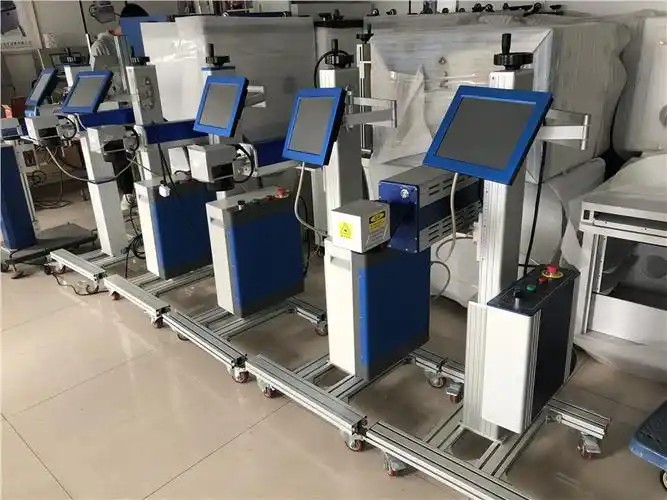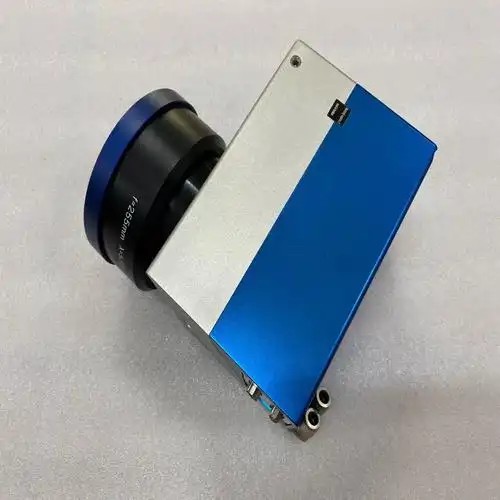
How to Choose the Right Laser Engraver for Plastic Materials
Plastics are everywhere in modern manufacturing—from electronic housings and automotive parts to packaging, medical devices, and advertising products. As product identification and customization become more important, the demand for laser engraver for plastic solutions continues to grow.
However, unlike metal, plastic is highly sensitive to heat. Some materials melt, some burn, and others deform even under relatively low energy. This makes laser engraving on plastic less straightforward than it may seem.
Choosing the right laser is not just about power or speed—it’s about understanding how different plastics react to different laser wavelengths and energy input. In this guide, we’ll break down how laser engraving works on plastic and how to select the right solution based on material type.
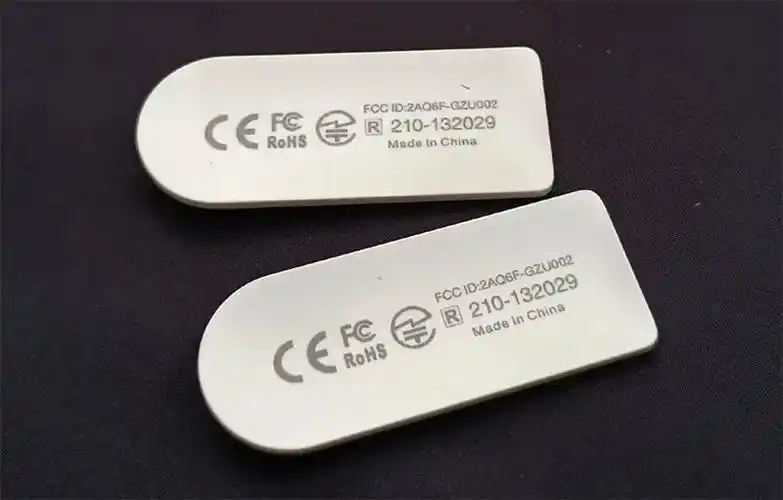
Laser marking effect on hard plastic
Understanding Laser Engraving on Plastic
Laser engraving and laser marking on plastic follow the same fundamental principle: a focused laser beam interacts with the material surface, causing physical or chemical changes that create visible contrast.
Depending on the energy level and material properties, this interaction can result in:
Surface color change
Foaming or carbonization
Material removal (engraving)
The key challenge is heat control. Unlike metals, plastics generally have lower melting points and poor thermal stability. If the wrong laser or parameters are used, the result can be:
Burn marks
Deformation
Poor contrast
Toxic fumes (especially with PVC)
That’s why selecting the correct laser type is critical.
Different Plastics Require Different Laser Solutions
Not all plastics behave the same under laser processing. In real-world applications, plastics can be broadly divided into three categories, each requiring a different laser approach.
Rigid Plastics: Best Matched with Fiber Laser
Rigid engineering plastics such as ABS, polycarbonate (PC), and nylon are commonly used in industrial and electronic applications. These materials generally have better thermal resistance and structural stability compared to soft plastics.
For these materials, a fiber laser engraver for plastic is often the most efficient choice.
Fiber lasers operate at a wavelength of 1064 nm, which interacts well with many dark or additive-enhanced plastics. Instead of melting the material excessively, the laser creates high-contrast marks through controlled surface modification.

ABS Ear tag marking samples
In production environments, fiber lasers offer several advantages:
High speed and efficiency
Low operating cost
Stable and consistent marking quality
They are widely used for:
Electronic housings
Automotive components
Industrial plastic parts
QR codes and serial numbers
However, fiber lasers are not suitable for all plastics—especially those that are heat-sensitive.
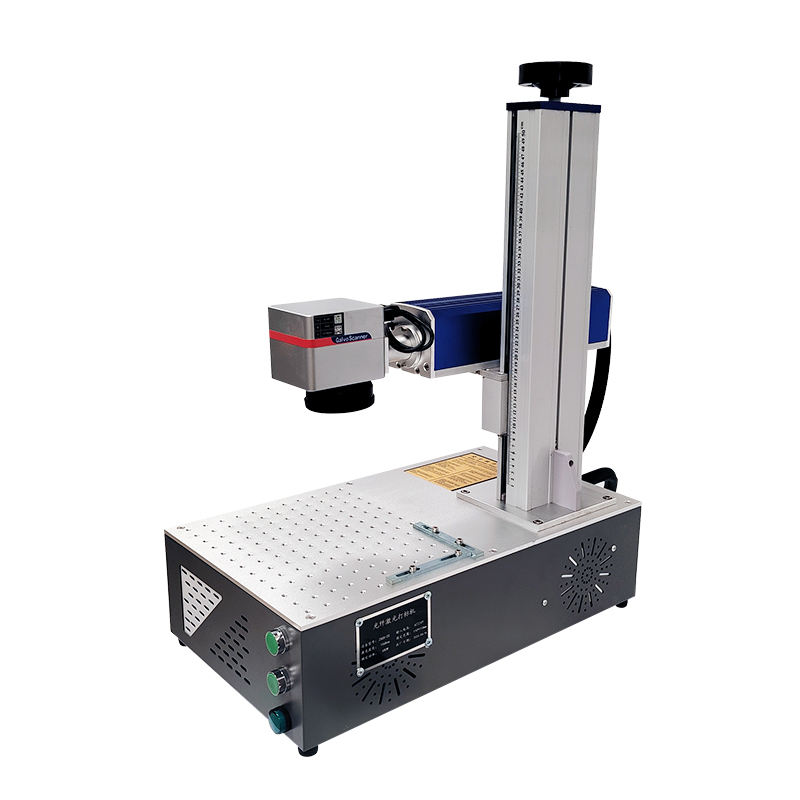
All In One Desktop Fiber Laser Marking Machine
Heat-Sensitive Plastics: Why UV Laser Is the Better Choice
Soft plastics or heat-sensitive materials—such as PVC, TPU, PE, and some thin films—can easily burn, melt, or deform under standard laser processing.In these cases, using a fiber or CO2 laser often leads to poor results. This is where UV laser marking machines come in.
UV lasers operate at a much shorter wavelength (typically 355 nm) and rely on a “cold marking” mechanism. Instead of generating heat, the laser breaks molecular bonds directly, minimizing thermal impact.
This makes UV laser engraving ideal for:
Soft plastics
Transparent or thin materials
High-precision applications
The result is:
Clean edges
No burning or yellowing
High contrast with minimal deformation
UV lasers are commonly used in:
Medical devices
Packaging materials
Wire and cable marking
Consumer electronics
Although the initial cost is higher, UV lasers are often the only reliable solution for delicate plastic materials.

Cabinet UV Laser Marking Machine
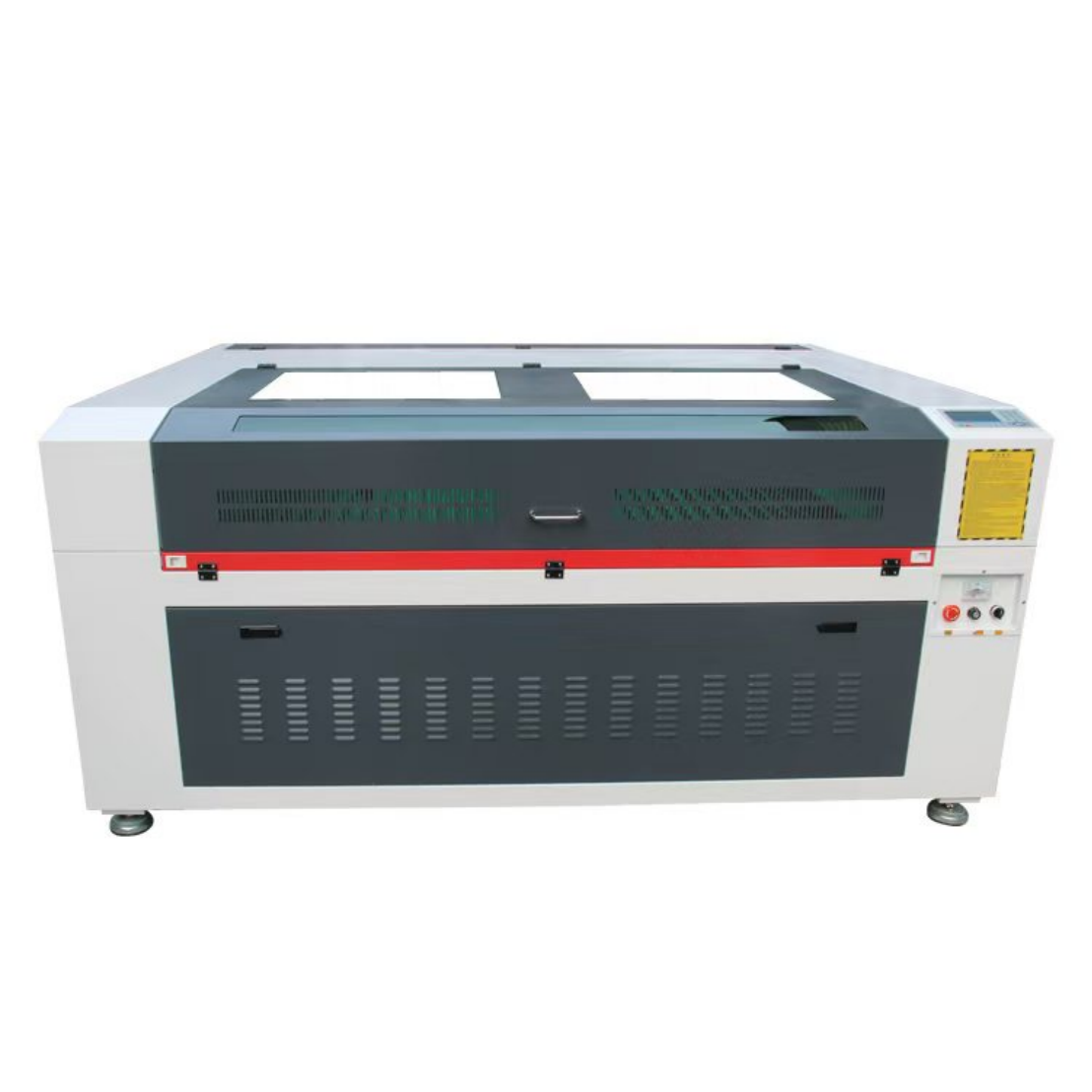
Acrylic (PMMA): The Ideal Material for CO2 Laser
Acrylic, also known as PMMA, is one of the most popular plastics in laser processing. Unlike many other plastics, acrylic responds extremely well to CO2 laser engraving.CO2 lasers operate at a wavelength of 10.6 μm, which is highly absorbed by acrylic. This allows the laser to cut and engrave with excellent quality.
When used correctly, CO2 lasers can produce:
Smooth, polished cutting edges
Frosted engraving effects
High-clarity visual contrast
This makes them ideal for:
Signage and advertising
Display products
Decorative panels
Custom gifts
Compared to fiber or UV lasers, CO2 systems offer a unique advantage for acrylic: they can handle both engraving and cutting, making them a versatile solution for fabrication businesses.
Common Mistakes When Choosing a Laser Engraver for Plastic
In many cases, poor results are not caused by the machine itself, but by incorrect selection.
One common mistake is using a fiber laser on soft plastics like PVC. This often leads to burning, deformation, and even harmful fumes. Another mistake is trying to process rigid plastics with a CO2 laser, which may result in low contrast or inefficient marking.
The key takeaway is simple:
there is no single “best” laser for all plastics—only the best match for your specific material.
Applications of Plastic Laser Engraving
With the right laser configuration, plastic engraving can achieve high precision, durability, and consistency across a wide range of industries.
Typical applications include:
Product identification and traceability
Brand logos and customization
Barcode and QR code marking
Decorative engraving
Functional labeling for industrial components
From mass production to customized manufacturing, laser engraving provides a flexible and reliable solution.
Final Thoughts
Choosing the right laser engraver for plastic is not just a technical decision—it directly affects your product quality, efficiency, and long-term cost.
If you are unsure which solution fits your application, it’s always worth evaluating your material type, production needs, and marking requirements before making a decision. The right setup can significantly improve both performance and reliability.
At ZS Machinery, we specialize in laser processing solutions and have extensive experience in working with different plastic materials. Whether you are dealing with rigid plastics, heat-sensitive materials, or acrylic applications, we can help you select the most suitable laser configuration based on your actual production needs.
Feel free to contact us for professional advice and a customized solution tailored to your application.
How to Achieve Black Laser Marking on Anodized Aluminum? Process Principles and Parameter Guide