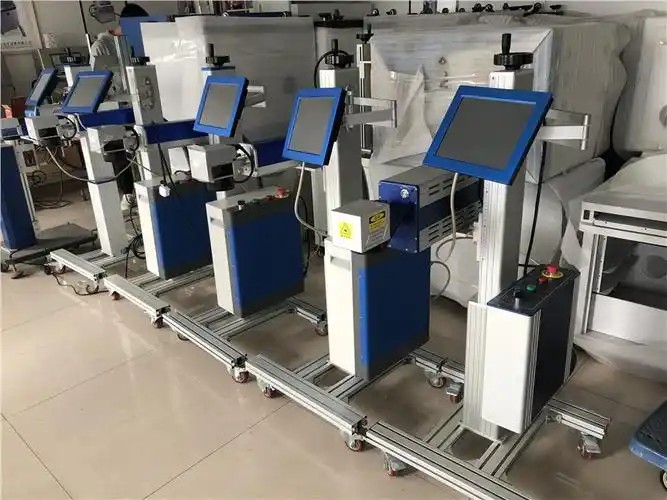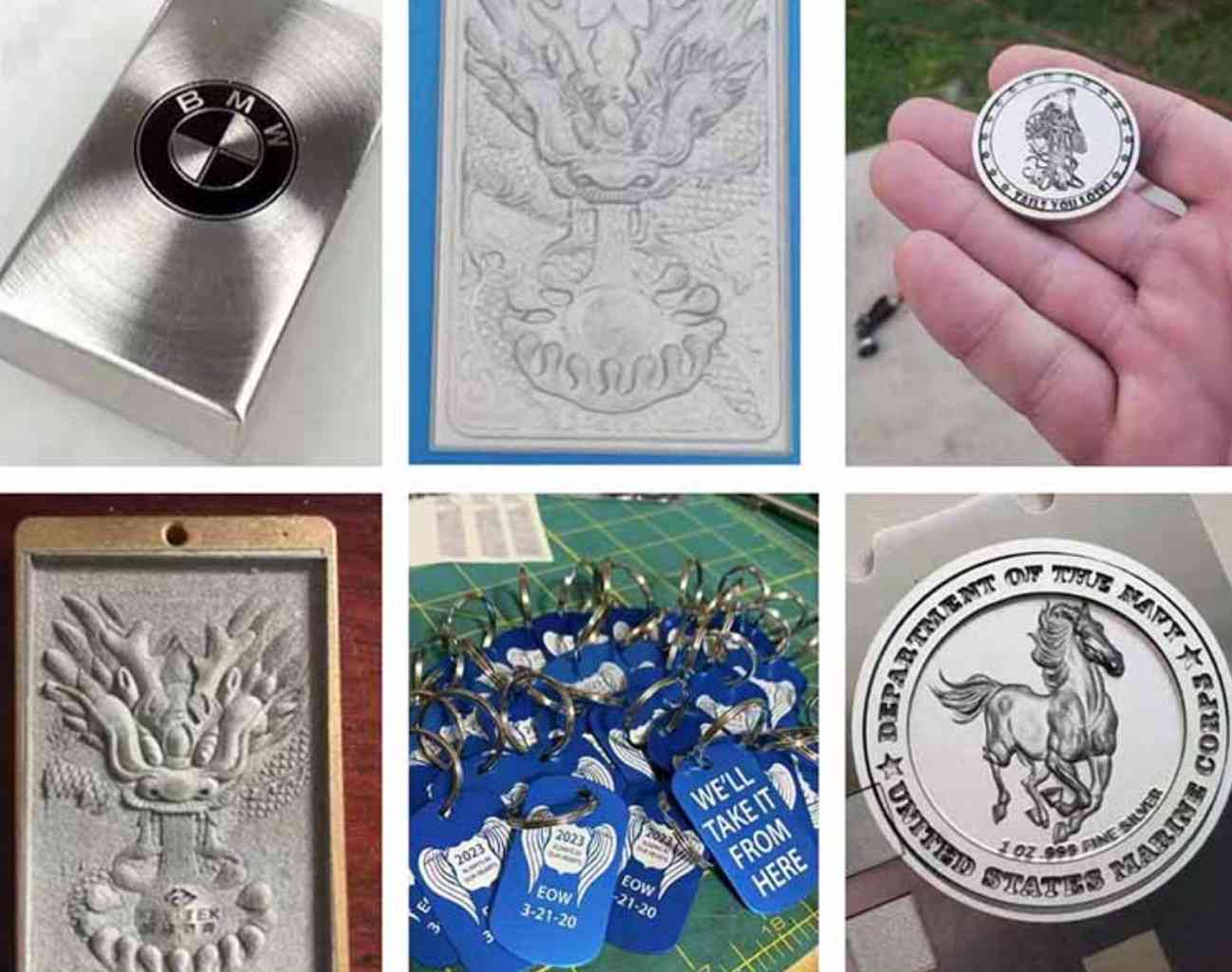
Cheap Laser Marking Machine: Is the Cheapest Option Really Worth It?
When searching for a cheap laser marking machine, buyers often find a wide range of prices. Some machines cost only a few hundred dollars, while others cost significantly more, even when their advertised laser power appears similar.
Why is there such a big difference?
The answer is not always the brand name or the seller’s profit margin. The laser source, galvanometer scanner, F-theta lens, control system, electrical components, assembly quality and after-sales support can all affect the final price.
As a company with more than ten years of experience in the laser equipment industry, ZS Machinery understands how these machines are configured and where manufacturing costs can be reduced.A laser marking machine can be made much cheaper by selecting lower-cost components. However, the more important question is whether those savings affect marking performance, reliability and long-term maintenance costs.
In this article, we explain what to look for when comparing cheap laser marking machines and how to choose a machine that offers genuine value for your business.
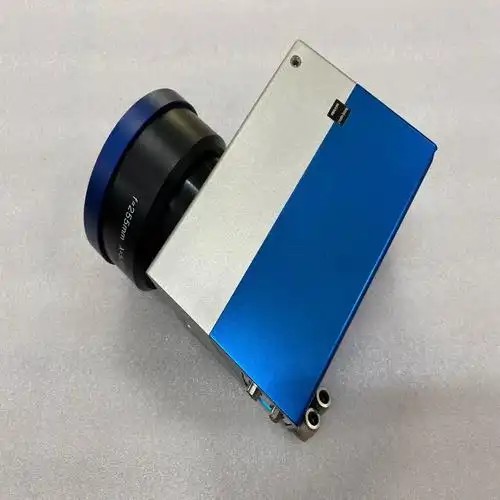
Laser marking machine galvanometer
Why Are Some Laser Marking Machines So Cheap?
Two fiber laser marking machines may look almost identical from the outside but have very different internal configurations.The housing, control panel and overall appearance do not tell you everything about the components inside.Here are some of the main factors that can explain the price difference.
1. Cheap or Used Laser Sources
The laser source is one of the most important components in a fiber laser marking machine. It generates the laser beam used to mark or engrave the material.Different laser sources can vary in brand, model, output characteristics, operating history, warranty and technical support.
A low-cost machine may use an inexpensive laser source or, in some cases, a used source. This does not automatically mean the machine will perform poorly, but buyers should understand exactly what they are purchasing.Before placing an order, ask the supplier:
- What is the laser source brand and model?
- Is the laser source new or used?
- What is the rated output power?
- What warranty is provided?
- Are replacement parts and technical support available?
A machine advertised as a 30W fiber laser marker should be evaluated by its actual configuration and performance, not just the power stated in the product listing.
2. Used Galvanometer Scanners and F-Theta Lenses
The laser source is not the only component that affects marking quality.
A galvanometer scanner directs the laser beam across the marking area, while the F-theta lens focuses the beam onto the workpiece.Both are important parts of the optical system.
If the scanner is worn, poorly calibrated or unsuitable for the application, the machine may experience positioning errors or inconsistent scanning performance.Similarly, a lens with unsuitable specifications, damage or optical contamination can affect focus, marking quality and consistency.
Used optical components can sometimes be reused successfully if they have been properly inspected and tested. The risk comes when their condition, history and performance are unknown.
When comparing a cheap laser marking machine with a more expensive model, ask about the galvanometer and lens specifications instead of assuming that identical external designs mean identical performance.
3. Low-Cost Electrical Components and Assembly
A laser marking machine also contains electrical and control components, such as power supplies, control boards, wiring, connectors and cooling or ventilation components, depending on the design.The quality of these parts and the way they are installed can affect maintenance requirements and operating reliability.
Assembly and calibration matter, too. Even when individual components are functional, poor wiring, incorrect settings or insufficient testing can lead to problems during operation.A low purchase price is not necessarily a problem. The key is understanding whether the machine has been designed, assembled and tested to meet your actual production requirements.
Can a Laser Marking Machine Be Built for Just a Few Hundred Dollars?
From a manufacturing perspective, the answer depends on the configuration.
If a manufacturer selects the lowest-cost components, uses a simple mechanical structure and minimizes spending on inspection, calibration and after-sales support, it may be possible to assemble a very inexpensive machine.
In some low-cost configurations, the component cost can be reduced dramatically compared with a machine built around new, branded components and a more comprehensive quality-control process.
As an industry participant, ZS Machinery understands how much the component selection can influence the overall manufacturing cost. Under specific cost-minimized conditions, the difference can be substantial—potentially more than half compared with a higher-specification configuration.
However, the final selling price also depends on the laser source, working area, machine structure, software, accessories, shipping and warranty.
A new-looking machine does not necessarily mean that every component inside is new.
A fresh housing can make two machines look similar even if their internal components have different histories and specifications. Buyers should therefore verify the configuration rather than judging a machine by appearance alone.This does not mean that every inexpensive laser marking machine contains used parts. Some manufacturers achieve competitive prices through efficient production, standardized designs, lower overheads or direct sales.
The goal is not to avoid every cheap machine. It is to understand why a particular machine is cheap before making a purchase.
What Problems Can You Face After Buying the Cheapest Laser Marking Machine?
A low-cost machine may work well for its initial tests. The real question is how consistently it performs during daily production.If the machine uses unsuitable, worn or poorly controlled components, several problems may arise.
Inaccurate Marking Position
If the galvanometer system is not properly calibrated or its performance is inconsistent, the actual marking position may differ from the intended position.
This can be especially problematic when marking product identification numbers, small nameplates, precision parts or components that require consistent positioning.
For production lines, even small positioning errors can create additional inspection and adjustment work.
Unstable Laser Output
A laser marking machine needs stable output to produce consistent results.If the laser source or its supporting systems develop problems, marking contrast, depth or processing consistency may change.
The symptoms depend on the component and the fault. They can include weak marks, inconsistent results or interruptions during operation.However, not every inconsistent mark indicates a defective laser source. Incorrect parameters, poor focusing, material variations and software settings can also cause similar symptoms.Proper diagnosis is essential.
Poor or Inconsistent Marking Quality
A machine may be able to mark a sample successfully but struggle to maintain the same quality across repeated production runs.Possible issues include inconsistent text, distorted graphics, uneven engraving or changes in marking position.
These problems can result from optical alignment, calibration, unsuitable parameters, material differences or component condition.For businesses marking hundreds or thousands of parts, repeatability is often more important than achieving one good sample.
Frequent Repairs and Component Replacement
If critical components fail prematurely, the buyer may need to purchase replacement parts, arrange repairs and spend time diagnosing the problem.The original savings can then be reduced by maintenance expenses and production interruptions.
The risk is particularly important when replacement components are difficult to identify or the supplier cannot provide adequate technical support.
Limited After-Sales Support
A machine is not just a collection of components. It is also a production tool that needs to be supported throughout its service life.If a supplier cannot help identify faults, provide compatible replacement parts or explain how to configure the machine, even a relatively simple problem can become expensive.
Before buying, check the warranty terms, response arrangements, spare-parts availability and technical support options.
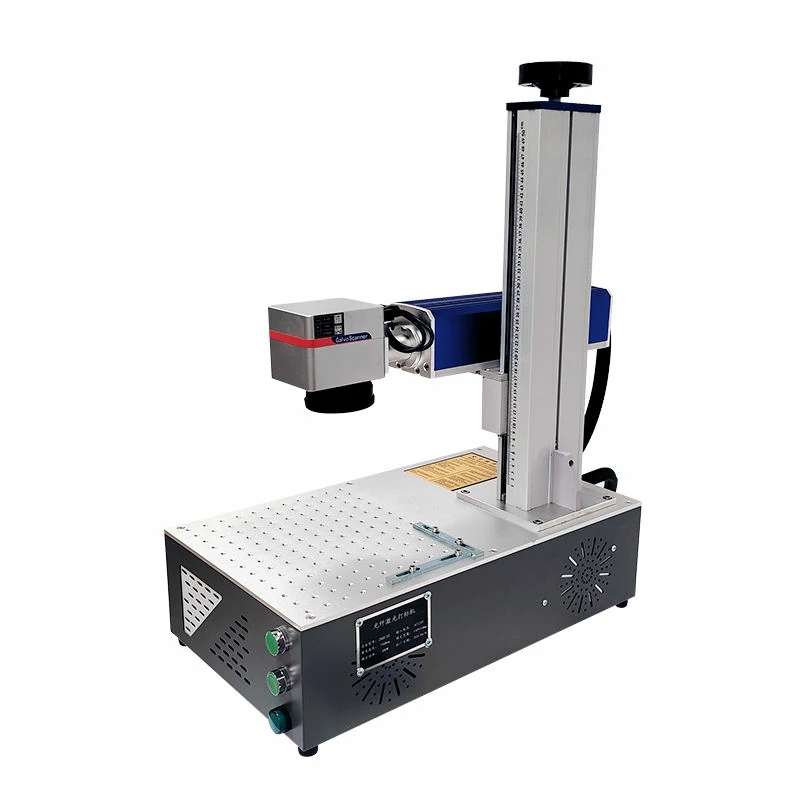
Small Fiber Laser Marker
The Real Cost of a Cheap Laser Marking Machine
When comparing machines, the purchase price is only one part of the total cost.A useful way to evaluate the investment is:
Total Cost of Ownership = Purchase Price + Maintenance + Replacement Parts + Downtime Costs
Consider a hypothetical example.
A buyer chooses between two machines:
- Machine A has a lower purchase price but requires more maintenance.
- Machine B costs more initially but has a better-documented configuration, appropriate quality control and reliable technical support.
If Machine A experiences repeated faults, the buyer may need to pay for replacement parts, repair services and lost production time.
Machine B may therefore offer better long-term value, even though its initial price is higher.
This does not mean that the more expensive machine is always better. A high price alone does not guarantee quality, either.The important point is to compare machines with similar specifications, component conditions, warranties and support arrangements.For a machine used occasionally in a workshop, a budget configuration may be perfectly adequate. For continuous industrial production, consistency, serviceability and downtime risk usually deserve more attention.
How to Choose a Cheap but Reliable Laser Marking Machine
If your budget is limited, you do not necessarily need to buy the most expensive machine. Instead, focus on the components and features that matter to your application.
1. Confirm the Laser Source
Ask for the laser source brand, model, rated power and warranty.Confirm whether the source is new or used and whether the supplier can provide support if it needs repair or replacement.If you need to mark stainless steel, aluminum, brass or other metals, request a test using your actual material.
2. Check the Galvanometer and F-Theta Lens
Ask the supplier to identify the scanner and lens specifications.If you need small text, detailed graphics or consistent positioning, request a sample and check the results carefully.For industrial applications, the optical configuration should match the required marking area and quality.
3. Request a Marking Test
A good sample test tells you more than a product photo.Provide the supplier with your material, marking content and quality requirements. If depth, contrast or speed is important, include those requirements in the test.Check:
- Marking clarity
- Text and graphic accuracy
- QR code readability, if applicable
- Positioning consistency
- Processing time
- Repeatability across multiple samples
A successful test cannot guarantee years of trouble-free operation, but it helps confirm whether the machine is suitable for the intended task.
4. Compare the Complete Configuration
Do not compare machines based on laser power alone.Check the laser source, scanner, lens, control system, software, working area, machine structure and included accessories.
Also confirm what is included in the quotation. A lower price may reflect a simpler configuration, fewer accessories or different warranty terms.
5. Check Warranty and After-Sales Support
Before ordering, ask:
- What is covered by the warranty?
- Which components are covered, and for how long?
- Are replacement parts available?
- Can the supplier provide remote troubleshooting?
- What happens if the machine cannot operate normally?
- Are software support and operating instructions included?
Clear answers help you understand the actual value of the quotation.
6. Match the Machine to Your Production Needs
A machine designed for occasional marking does not necessarily need the same configuration as one operating throughout every production shift.Consider the materials, marking content, required speed, daily production volume and consequences of downtime.
A practical machine with the right configuration is often a better investment than either the cheapest machine or an unnecessarily expensive one.
Why ZS Machinery Does Not Compete on Price Alone
With more than ten years of experience in the laser equipment industry, ZS Machinery understands how different component choices affect machine configuration, manufacturing cost and practical use.We know that the same general type of machine can be assembled at very different costs depending on the components selected.We also understand that reducing the purchase price is not always the same as reducing the customer’s total cost.
For this reason, we focus on selecting a suitable configuration for each application rather than simply offering the lowest possible quotation.
Appropriate Core Components
The laser source, galvanometer scanner, F-theta lens and control system should be selected according to the application and required performance.
We help customers understand the configuration instead of asking them to choose a machine based only on its advertised power.
Application-Based Testing
Different materials and marking requirements may need different laser parameters and optical configurations.
Where appropriate, customers can provide samples so that we can evaluate marking quality and processing suitability before finalizing the configuration.
Practical Configuration Advice
Not every customer needs a high-power laser or an advanced automation system.
We can discuss the actual application, production volume and budget to help identify which features are necessary and where a simpler configuration may be sufficient.
Technical Support and Spare Parts
Long-term usability also depends on whether the machine can be maintained and supported.
Clear configuration information, compatible replacement parts and technical assistance can help customers manage maintenance more effectively.
Our goal is to provide a laser marking solution that makes sense for the customer’s production requirements—not simply a machine with the lowest initial price.
Contact ZS Machinery for a Laser Marking Machine Quote
Looking for a cheap laser marking machine or comparing quotations from different suppliers?ZS Machinery can help you evaluate the configuration and select a suitable machine for your budget and application.To receive a recommendation, please tell us:
- Material: Stainless steel, aluminum, brass, plastic or other materials
- Marking content: Text, logo, serial number, QR code or graphics
- Required marking result: Surface marking, high contrast or deeper engraving
- Production volume: Occasional use or continuous production
- Budget: Your target price range
- Special requirements: Working area, rotary marking, vision positioning or automation
If you already have a quotation, you can also share the proposed machine specifications for comparison.
Contact ZS Machinery to discuss your requirements, request a suitable configuration and find a laser marking machine that offers the right balance of price, performance and long-term value.
Laser Marking Equipment: Types, Wavelengths, and How to Choose the Right Machine