Laser Printing Machine: Everything You Need to Know About Industrial Laser Printing
If you’ve searched for a laser printing machine, you may have discovered that the results range from office laser printers to industrial laser marking systems. This often creates confusion, especially for manufacturers looking for equipment to print logos, serial numbers, QR codes, or product information directly onto metal or plastic parts.
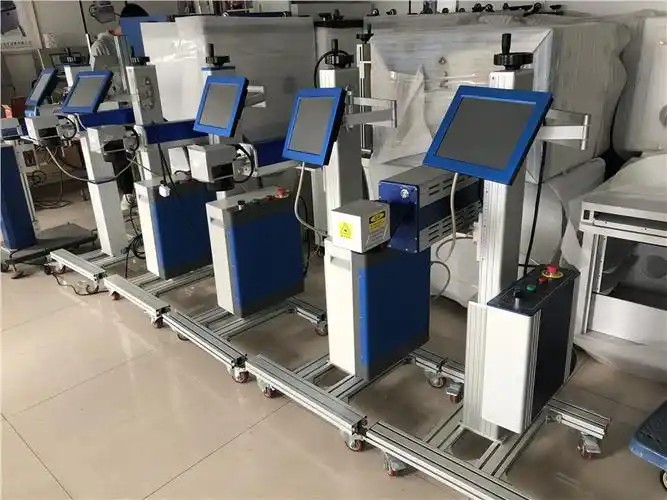
In industrial manufacturing, a laser printing machine usually refers to a laser marking machine rather than a traditional office printer. Instead of using toner or ink, it uses a focused laser beam to permanently “print” information directly onto the surface of a product.
In this guide, we’ll explain what an industrial laser printing machine is, how it works, what materials it can process, and how to choose the right laser system for your production line.
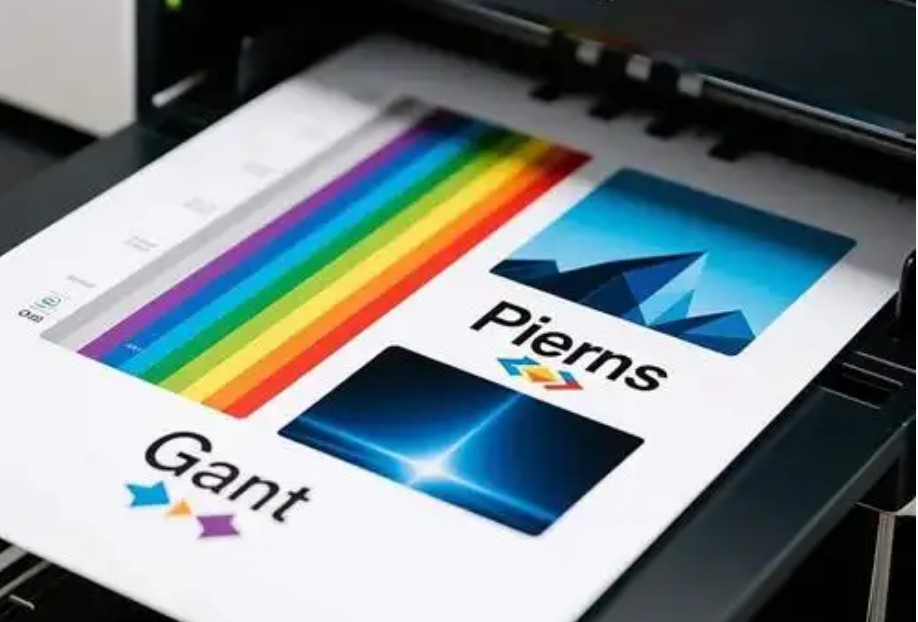
Color Printing
What Is a Laser Printing Machine?
A laser printing machine is an industrial system that uses laser energy to create permanent text, graphics, logos, barcodes, QR codes, serial numbers, and other markings on a wide variety of materials.
Unlike inkjet printing or label printing, laser printing does not apply ink or adhesive to the surface. Instead, the laser permanently modifies the material by changing its surface color, oxidizing the surface, vaporizing a microscopic layer, or engraving the material itself.
Because the marking becomes part of the product, it offers exceptional durability and requires no consumables.
In manufacturing, laser printing is commonly used for:
- Company logos
- Product model numbers
- Serial numbers
- QR codes
- Data Matrix codes
- Barcodes
- Production dates
- Batch numbers
- Traceability information
- Certification marks
For this reason, many industrial buyers use the terms laser printing and laser marking interchangeably.
Laser Printing Machine vs. Office Laser Printer
Although they share similar names, these two machines serve completely different purposes.
An office laser printer uses toner and heat to print documents onto paper.
An industrial laser printing machine uses a laser beam to permanently mark metal, plastic, wood, glass, leather, or other materials without using ink or paper.
| Office Laser Printer | Industrial Laser Printing Machine |
|---|---|
| Prints on paper | Marks products directly |
| Uses toner cartridges | No ink or consumables |
| Temporary documents | Permanent identification |
| Office applications | Manufacturing applications |
If your goal is to print information directly onto products, you need an industrial laser marking system rather than an office printer.
How Does Industrial Laser Printing Work?
The working principle depends on the laser type and material being processed.
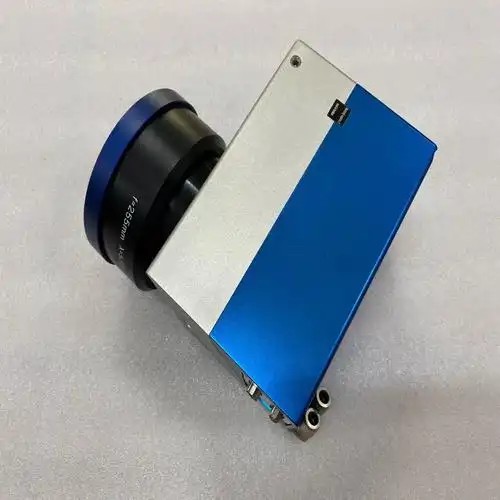
A highly focused laser beam is directed onto the product surface through a galvanometer scanning system.
The laser energy interacts with the material by:
- Oxidizing the surface
- Changing the material color
- Removing a thin surface layer
- Engraving into the material
- Creating high-contrast markings
The entire process is controlled by software, allowing complex graphics and variable data to be printed automatically.
Unlike traditional printing, there is no physical contact between the machine and the product.
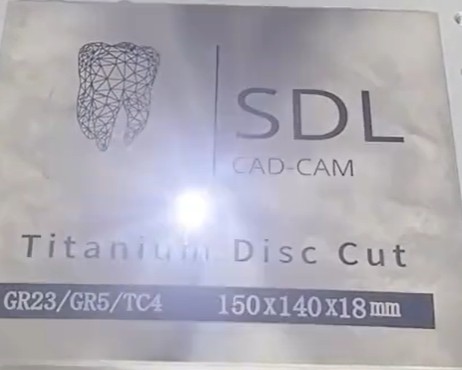
Titanium alloy laser blackening
What Can a Laser Printing Machine Print?
One of the biggest advantages of industrial laser printing is flexibility.
Modern systems can permanently print almost any type of production information, including:
Company Branding
Manufacturers often laser print:
- Company logos
- Brand names
- Registered trademarks
- Decorative graphics
Permanent branding improves product appearance while protecting brand identity.
Product Identification
Industrial manufacturers typically print:
- Model numbers
- Product codes
- Part numbers
- Manufacturing dates
- Batch numbers
These markings simplify inventory management and quality control.
Product Traceability
Modern production increasingly requires complete traceability.
Laser printing machines can generate:
- QR Codes
- Data Matrix Codes
- Serial Numbers
- Unique Product IDs
These codes can be connected to MES, ERP, and factory automation systems for complete lifecycle management.
Decorative Graphics
Laser printing is also widely used for decorative applications, including:
- Personalized gifts
- Stainless steel tumblers
- Jewelry
- Knife engraving
- Leather products
- Luxury packaging
Unlike traditional printing, laser decoration never peels or fades.
Materials That Can Be Laser Printed
Different laser technologies are designed for different materials.
Metals
Fiber laser printing machines are ideal for:
- Stainless steel
- Carbon steel
- Aluminum
- Brass
- Copper
- Titanium
- Gold
- Silver
Applications include industrial parts, tools, kitchenware, jewelry, molds, and machine components.
Plastics
UV laser systems are commonly used for:
- ABS
- PVC
- PP
- PE
- Acrylic
- Engineering plastics
UV lasers minimize heat damage while producing extremely fine markings.
Wood
CO₂ laser systems easily process:
- Bamboo
- Hardwood
- MDF
- Plywood
- Cork
They are widely used for personalized gifts and decorative products.

Laser Marking on wood tableware
Leather
Laser printing creates clean, elegant markings on:
- Wallets
- Belts
- Bags
- Notebook covers
- Keychains
No inks or chemicals are required.
Glass and Ceramics
UV lasers can produce high-quality permanent markings on:
- Glass bottles
- Medical glass
- Ceramic components
- Laboratory equipment
Types of Industrial Laser Printing Machines
Choosing the correct laser source is essential.
Fiber Laser Printing Machine
Fiber lasers are the most popular solution for metal products.
Suitable for:
- Stainless steel
- Aluminum
- Brass
- Titanium
- Gold
- Silver
Typical applications:
- Industrial identification
- QR codes
- Logos
- Deep engraving
- Nameplates
MOPA Fiber Laser
MOPA fiber lasers provide greater pulse control than standard fiber lasers.
They are ideal for:
- Black marking on stainless steel
- Color marking on titanium
- Premium jewelry
- High-end consumer products
Manufacturers requiring superior appearance often choose MOPA systems.
CO₂ Laser Printing Machine
CO₂ lasers are designed for organic materials.
Applications include:
- Wood
- Leather
- Paper
- Rubber
- Acrylic
They are widely used in gift manufacturing and advertising industries.
UV Laser Printing Machine
UV lasers perform “cold marking,” making them suitable for heat-sensitive materials.
Typical applications include:
- Plastic housings
- Medical devices
- PCB
- Electronic components
- Glass
Their extremely small spot size allows ultra-high precision.
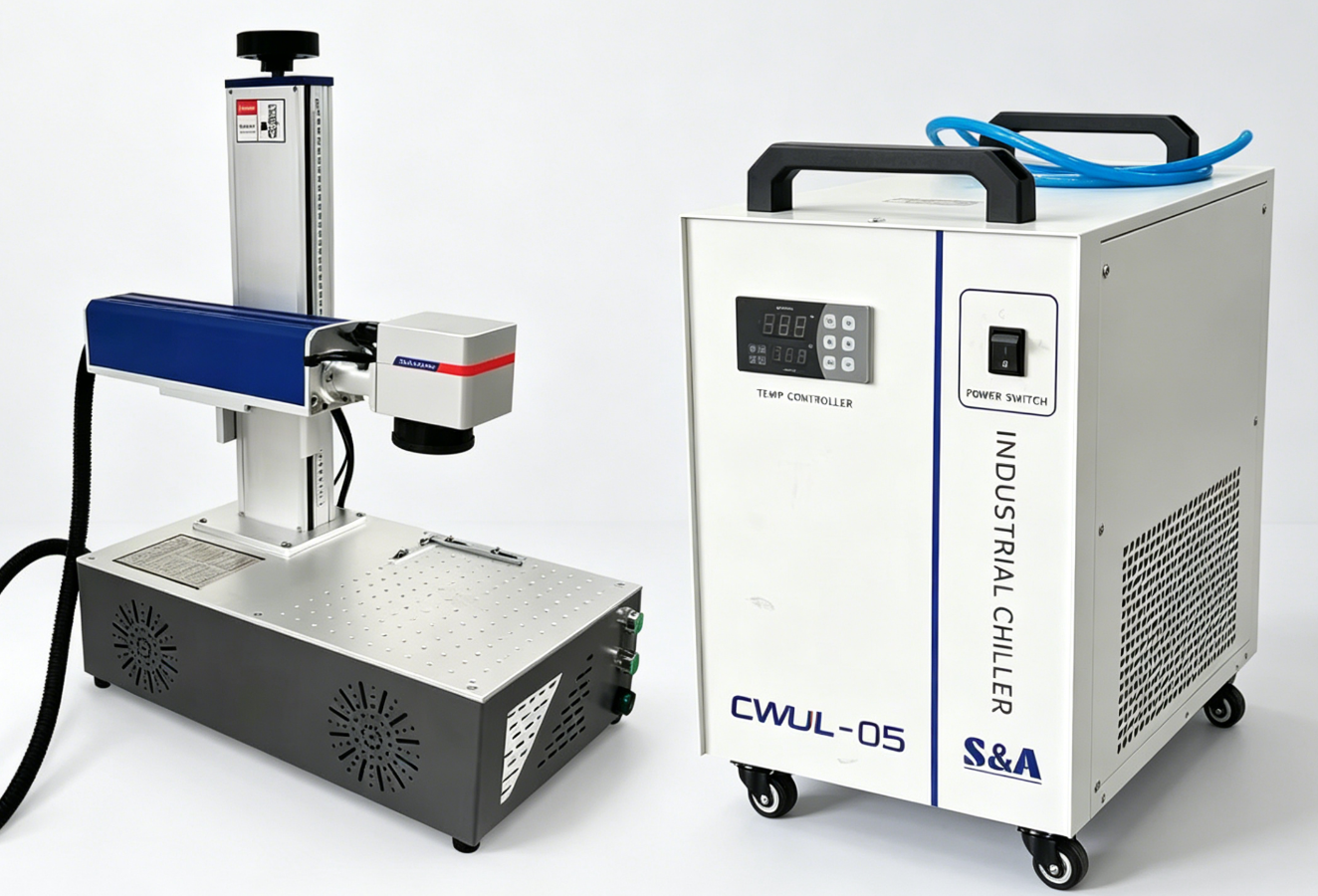
ZS Machinery UV Laser Marking Machine
Laser Printing vs. Inkjet Printing
Many factories compare laser printing with traditional inkjet coding.
Laser printing offers several significant advantages.
Permanent Marking
Laser markings become part of the material and cannot be wiped away.
Inkjet printing may fade, smear, or wear off over time.
No Consumables
Laser systems require no:
- Ink
- Solvents
- Ribbons
- Labels
This greatly reduces operating costs.
Higher Precision
Laser printing easily produces:
- Tiny QR codes
- Small serial numbers
- Fine logos
- High-resolution graphics
Better Automation
Laser printers integrate easily with:
- Conveyor systems
- Vision inspection
- MES software
- ERP software
- Robotic production lines
Industries That Use Laser Printing Machines
Industrial laser printing is now used in almost every manufacturing sector.
Common industries include:
- Automotive
- Aerospace
- Medical devices
- Electronics
- PCB manufacturing
- Kitchenware
- Metal fabrication
- Jewelry
- Packaging
- Consumer products
- Industrial machinery
As traceability regulations become stricter, laser printing has become an essential manufacturing process rather than an optional one.
Why More Manufacturers Are Replacing Traditional Printing
Traditional printing methods still have their place, but manufacturers are increasingly switching to laser technology for several reasons.
Laser printing provides:
- Permanent identification
- Zero consumables
- Lower operating costs
- Minimal maintenance
- Faster production
- Better environmental performance
- Easier automation
Over the long term, these advantages often result in a lower total cost of ownership than ink-based systems.
Why Choose ZS Machinery?
At ZS Machinery, we specialize in complete industrial laser marking and laser printing solutions.
Our product range includes:
- Fiber laser printing machines
- MOPA laser systems
- UV laser printing machines
- CO₂ laser systems
- Desktop models
- Cabinet-style machines
- Fully enclosed laser workstations
- Flying online laser marking systems
- Automated production line integration
Whether you need to permanently print logos, serial numbers, QR codes, traceability information, or decorative graphics, our engineering team can recommend the right solution based on your material, production volume, and application.
We provide:
- Free sample testing
- Parameter optimization
- Machine customization
- Technical training
- Long-term after-sales support
Conclusion
Although the term laser printing machine can refer to different types of equipment, in industrial manufacturing it most commonly describes a laser marking machine capable of permanently printing information directly onto products.
Compared with inkjet printing, labels, or mechanical marking, laser printing offers superior durability, lower operating costs, greater precision, and seamless integration into modern automated production lines.
Whether you’re producing industrial components, medical devices, electronics, kitchenware, jewelry, or personalized products, an industrial laser printing machine provides a reliable and efficient solution for permanent product identification and branding.
If you’re looking for a professional laser printing machine for metal, plastic, wood, glass, or other materials, ZS Machinery offers complete laser marking solutions tailored to your manufacturing needs. Contact our team today for expert advice, free sample marking, and customized equipment recommendations.
Colour Laser Etching: How MOPA Laser Creates Permanent Color Marks on Metal