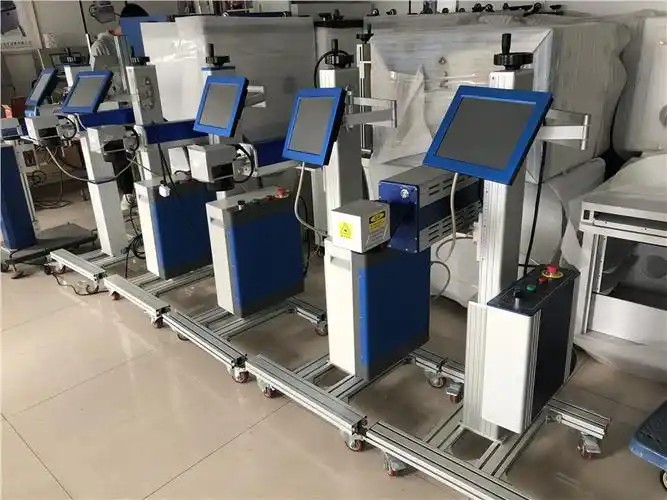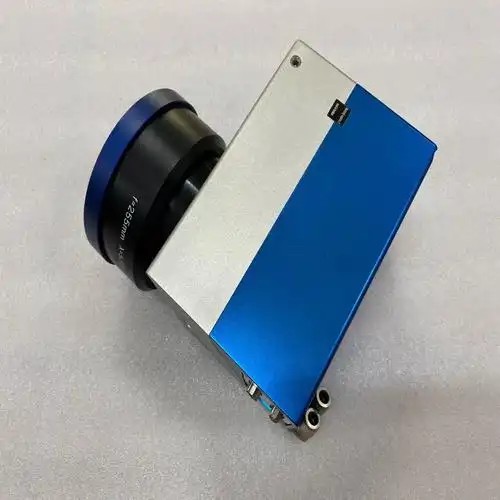
Second Hand Laser Engraver: Is It Worth Buying a Used Laser Engraving Machine?
A second hand laser engraver can look attractive to buyers who want to enter the engraving business with a lower initial investment. Used laser engraving machines are often advertised at significantly lower prices than new equipment, making them appear to be an easy way to save money. However, the purchase price is only one part of the total cost of owning a laser engraving machine.
So, is buying a second hand laser engraver a good idea?
The answer depends on the machine’s history, condition, laser source, usage, maintenance records, and—most importantly—the support available after the purchase.For buyers who cannot verify these factors, purchasing a new machine is generally the safer choice.
Why Do People Consider a Second Hand Laser Engraver?
The main reason is simple: price.
A used machine may cost considerably less than a comparable new model. This can be attractive for:
- Small businesses
- Startups
- Hobbyists
- Workshops
- Buyers testing a new application
- Businesses with limited initial budgets
For example, someone starting a small engraving business may compare a new fiber laser engraver with a used machine and see a substantial difference in upfront cost.However, the lower purchase price does not necessarily mean a lower total cost.A used machine may require:
- Replacement parts
- Laser source servicing
- Lens replacement
- Galvo scanner maintenance
- Software updates
- Electrical repairs
- Additional troubleshooting
- Shipping or transportation
- Professional installation
If a major component fails shortly after purchase, the money saved initially can disappear quickly.
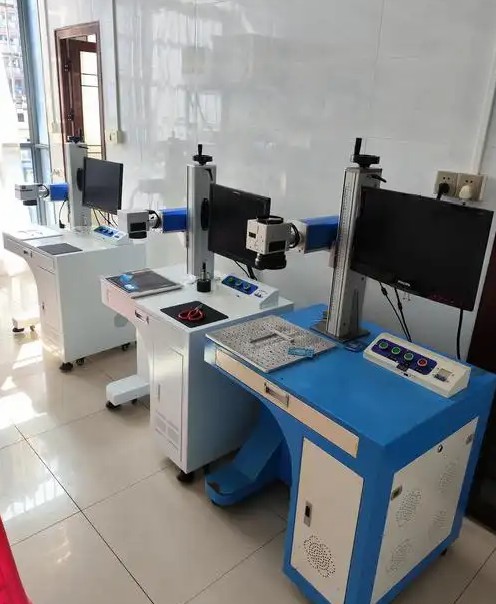
second hand laser engraver
The Most Important Issue: Laser Source Life
One of the biggest differences between buying a new and used laser engraver is the condition of the laser source.
Laser sources are not infinitely durable.
As they accumulate operating hours, their output characteristics can gradually change. Depending on the type of laser source, operating conditions, cooling, power level, environment, and maintenance, performance may deteriorate over time.This means that a used machine with a five-year-old laser source is not equivalent to a new machine simply because both machines are advertised as having the same rated power.
For example:A new 30W fiber laser and a heavily used 30W fiber laser may have the same nominal specification, but their actual operating condition can be very different.This is an important point that inexperienced buyers may overlook.
Laser Power Does Not Tell You the Whole Story
A common mistake is to look only at the machine’s advertised power.
A seller may say:”30W Fiber Laser”But that specification does not tell you:
- How many hours the laser has operated
- How it was operated
- Whether it was regularly used at high power
- Whether the laser source has been replaced
- Whether the optical system has been maintained
- Whether the machine has experienced overheating
- Whether marking speed and quality have deteriorated
In other words:
Rated power ≠ Remaining service life
This is particularly important when buying second-hand equipment remotely.
How Can You Know How Long a Used Laser Engraver Has Been Used?
This is one of the biggest problems for ordinary buyers.With some industrial equipment, maintenance records and operating-hour counters can provide useful information.But when buying a second-hand laser engraver from an individual seller or an unknown supplier, the buyer may have very little reliable information about its history.The machine might have been:
- Used occasionally
- Used every day
- Used for several years
- Used in a dusty workshop
- Operated continuously in production
- Stored for a long period
- Repaired or modified
A seller’s description alone may not be enough to establish the actual condition of the equipment.Even if the machine looks clean externally, that does not necessarily mean the internal components have low operating hours.
The Condition of the Laser Source Is Not the Only Concern
A laser engraving machine is a complete system rather than just a laser source.Other components can also affect performance.
Galvo Scanner
The galvo system controls the movement of the laser beam.Long-term use can affect its mechanical and electronic performance, particularly in demanding production environments.A problem with the scanning system can lead to:
- Positioning errors
- Distorted graphics
- Uneven marking
- Reduced accuracy
Focusing Lens
Optical components can become contaminated, scratched, or damaged.A dirty or damaged lens can reduce the quality and efficiency of laser processing.
Cooling System
Some laser systems rely on air cooling, while others use water or other cooling configurations.Poor cooling can contribute to instability and shorten component life.
Control Electronics
Used equipment may also contain older:
- Power supplies
- Control boards
- Cables
- Switches
- Interfaces
Finding replacement parts for an older machine can sometimes be more difficult than expected.
The Hidden Problem: After-Sales Service
In my view, after-sales support is one of the biggest risks when purchasing a second hand laser engraver.A new machine purchased from an established supplier normally comes with some level of:
- Installation support
- Technical assistance
- Warranty
- Spare parts
- Software support
- Troubleshooting
With a second-hand machine, the situation can be very different.
The original seller may no longer support the machine.
The manufacturer may not provide support to the second owner.
The machine may have been modified.
The original configuration may no longer be available.
And in some cases, the buyer may not even know who to contact when something goes wrong.This can be particularly frustrating for beginners who do not have experience troubleshooting laser equipment.
A Cheap Used Machine Can Become an Expensive Machine
Consider a simple example.
Suppose a new laser engraver costs $2,000, while a used machine costs $1,200.
At first glance:
New: $2,000
Used: $1,200
The used machine appears to save $800.
But imagine that shortly after purchase, the used machine requires:
- Optical replacement
- Scanner repair
- New cables
- Professional troubleshooting
If these costs add another $600–$1,000, the original price advantage becomes much smaller.There is also another cost that is easy to overlook:downtime.
If the machine is used for business and cannot operate for several days or weeks, lost production and customer orders can be more expensive than the repair itself.This is why buyers should evaluate total ownership cost, rather than simply comparing purchase prices.
When Can a Second Hand Laser Engraver Be Worth Buying?
This does not mean that every used laser engraving machine should be avoided.There are situations where a second-hand machine can make sense.For example, buying a used machine may be reasonable if:
- The machine has a clear ownership history
- The operating hours can be verified
- Maintenance records are available
- The laser source condition can be professionally tested
- The machine comes from a reputable supplier
- Replacement parts are still available
- The original manufacturer provides support
- A warranty is included
- The buyer can inspect and test the machine before purchase
A used machine from a professional equipment dealer with a documented service history is very different from a machine purchased from an unknown individual online.
What Should You Check Before Buying a Used Laser Engraver?
If you are considering a second-hand machine, do not rely only on photographs.Ask for detailed information about the machine.
1. Laser Source
Ask:
- What brand is the laser source?
- When was it manufactured?
- When was it installed?
- How many hours has it operated?
- Has it ever been replaced?
- Can its current output be tested?
2. Marking Test
Ask the seller to provide actual marking samples.
Ideally, test:
- Fine text
- Small graphics
- High-speed marking
- Deep engraving if required
- Your actual material
A machine that produces acceptable results on one simple logo may still have problems in more demanding applications.
3. Software and Control System
Check whether:
- The marking software is included
- The license is transferable
- The control board is still supported
- Drivers are available
- The machine works with current computers
We’ve encountered many customers whose used machines have software issues. Because they’re used, they often use pirated software, meaning after-sales service is generally unavailable. They ask us for help upgrading the software, but we usually can’t help in these situations. Therefore, it’s important to consider this potential problem before purchasing equipment.
4. Spare Parts
Find out whether replacement components are still available.
An inexpensive machine can become difficult to maintain if its key components are obsolete.
5. Warranty
This is extremely important.
Ask:Who provides warranty service after I purchase the machine?If the answer is unclear, the risk is significantly higher.
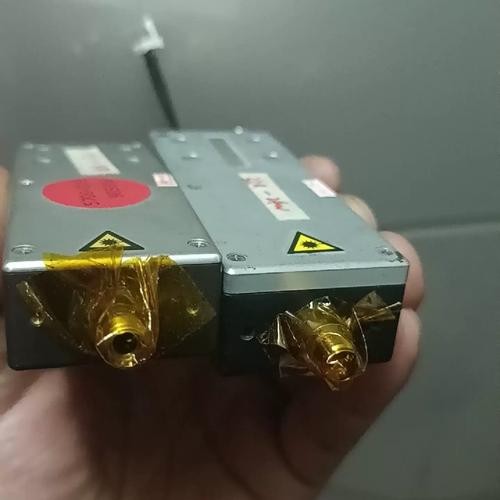
Laser Source
New vs. Second Hand Laser Engraver
| Factor | New Laser Engraver | Second Hand Laser Engraver |
|---|---|---|
| Purchase Price | Higher | Lower |
| Laser Source Condition | Known | May be uncertain |
| Operating History | Clear | May be unknown |
| Warranty | Usually available | Often limited or unavailable |
| Technical Support | Easier to obtain | Depends on seller |
| Spare Parts | Generally easier | May be difficult for older models |
| Reliability | More predictable | Depends heavily on condition |
| Initial Investment | Higher | Lower |
| Risk | Lower | Higher |
The table does not mean that every new machine is reliable or every used machine is problematic. The key difference is predictability.
What About Used Machines with a Warranty?
This is an important exception.If a used laser engraver is sold by a professional supplier and comes with a meaningful warranty, technical support, documented maintenance, and a verified laser source condition, the risk becomes much lower.
For example, a supplier might:
- Inspect the machine
- Test the laser output
- Replace worn components
- Calibrate the system
- Perform sample marking
- Provide installation
- Offer a warranty
At that point, you are not simply buying an unknown used machine.You are buying a professionally inspected and supported machine.That can be a reasonable option when the price difference compared with a new machine is significant.
Second Hand vs. Refurbished Laser Engraver
There is also an important distinction between a used machine and a refurbished machine.A used machine may simply be sold in its current condition.A refurbished machine should ideally have gone through inspection and repair before resale.Depending on the supplier, refurbishment may include:
- Cleaning
- Optical inspection
- Replacement of worn components
- Software testing
- Calibration
- Laser testing
- Mechanical inspection
However, the word “refurbished” alone does not guarantee quality.Always ask exactly what was inspected or replaced and what warranty is included.
Should You Buy a Second Hand Laser Engraver?
For most first-time buyers, my recommendation is:
Do not choose a second-hand laser engraver simply because it is cheaper.
If you cannot verify the laser source condition, operating history, maintenance records, and after-sales support, the risk may outweigh the initial savings.A new machine provides a more predictable starting point, particularly for customers who depend on the equipment for business.However, a second-hand laser engraver can still be a reasonable purchase when it comes from a reliable supplier with:
- Verified equipment history
- Professional inspection
- Tested laser performance
- Available spare parts
- Technical support
- Clear warranty terms
In other words, the question is not simply:“Is a used laser engraver good or bad?”
A better question is:“Can the condition, history, and support of this particular machine be verified?”
If the answer is yes, a used machine may provide good value.
If the answer is no, the lower purchase price can come with significantly higher uncertainty.
Final Thoughts
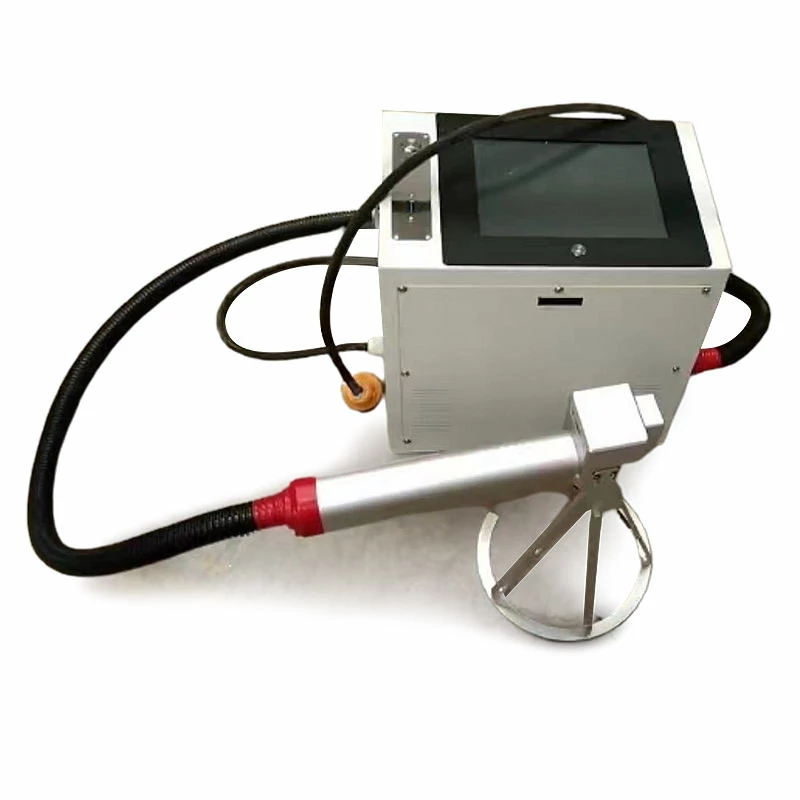
A second hand laser engraver can be an economical option, but it should not be treated in the same way as buying a new machine. The condition of the laser source, operating history, optical system, electronics, and other components may be difficult for an ordinary buyer to evaluate.For buyers without technical experience, purchasing a used machine from an unknown source can create unnecessary risks, especially when there is no reliable warranty or after-sales service.
At ZS Machinery, we believe customers should choose laser equipment based on the actual application, expected workload, long-term reliability, and total cost of ownership, rather than simply looking for the lowest initial price.
If a professionally inspected second-hand machine comes with verified performance, available spare parts, technical support, and a meaningful warranty, it can certainly be considered. But when these protections are unavailable, a new laser engraving machine is generally the safer and more predictable investment.
If you are comparing a new and used laser engraver and are unsure which option makes more sense for your application, contact ZS Machinery. We can help you evaluate the required laser type, power, configuration, and expected workload before you make a decision.
Galvo Scanner for Laser Marking: How Laser Galvanometer Scanners Work