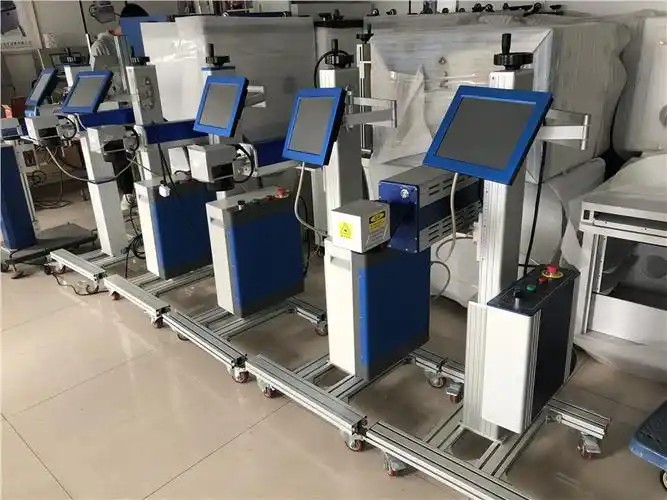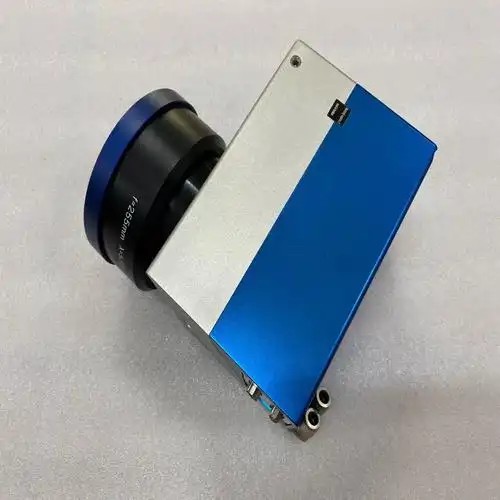
Types of Laser Machines and Their Applications: A Complete Guide
Introduction
Laser technology has become one of the most important innovations in modern manufacturing and industrial processing. Over the past few decades, laser systems have evolved from highly specialized scientific equipment into essential tools used across manufacturing, automotive, aerospace, electronics, medical, construction, and consumer industries.
Today, laser machines are capable of much more than simply cutting metal. Modern laser technology can be used for cutting, welding, marking, engraving, cleaning, drilling, measuring, scanning, medical treatment, cosmetic procedures, and even high-precision printing. As laser sources become more powerful, efficient, and affordable, their applications continue to expand into new industries and markets.
For businesses looking to invest in laser technology, understanding the different types of laser machines and their applications is essential. In this guide, we will explore the major categories of laser equipment, explain how they work, and discuss where they are commonly used.
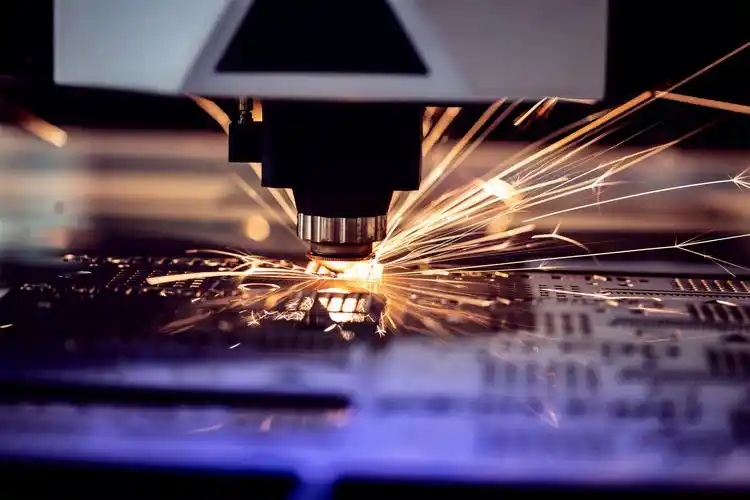
Laser machine application
What Is a Laser Machine?
A laser machine is a device that uses a concentrated beam of light to process, modify, measure, or interact with materials. The word LASER stands for “Light Amplification by Stimulated Emission of Radiation.”
Unlike traditional mechanical processing methods that rely on physical contact, laser processing is typically non-contact. Energy is delivered directly to the material through a focused laser beam, allowing for highly precise operations with minimal wear and excellent repeatability.
Depending on the application, laser systems can be designed for material removal, material joining, surface marking, cleaning, measurement, medical treatment, or decorative processing.
Main Categories of Laser Applications
Although there are many different laser machines on the market, most laser applications can be divided into four major categories:
- Material Processing Lasers
- Measurement and Inspection Lasers
- Medical and Aesthetic Lasers
- Surface Decoration and Printing Systems
Each category contains several specialized machines designed for different purposes.
Material Processing Laser Machines
Material processing represents the largest segment of the laser industry. These machines directly interact with materials to cut, weld, mark, engrave, clean, or modify surfaces.
1.Laser Cutting Machines
Laser cutting machines are among the most widely used industrial laser systems.
By concentrating a high-energy laser beam onto a material surface, the material can be melted, vaporized, or burned away, creating highly accurate cuts with smooth edges.
1.1.Fiber Laser Cutting Machines
Fiber laser cutting machines dominate the metal fabrication industry. They are commonly used for processing:
- Stainless steel
- Carbon steel
- Aluminum
- Brass
- Copper
Their advantages include high cutting speed, low maintenance requirements, excellent energy efficiency, and long service life.
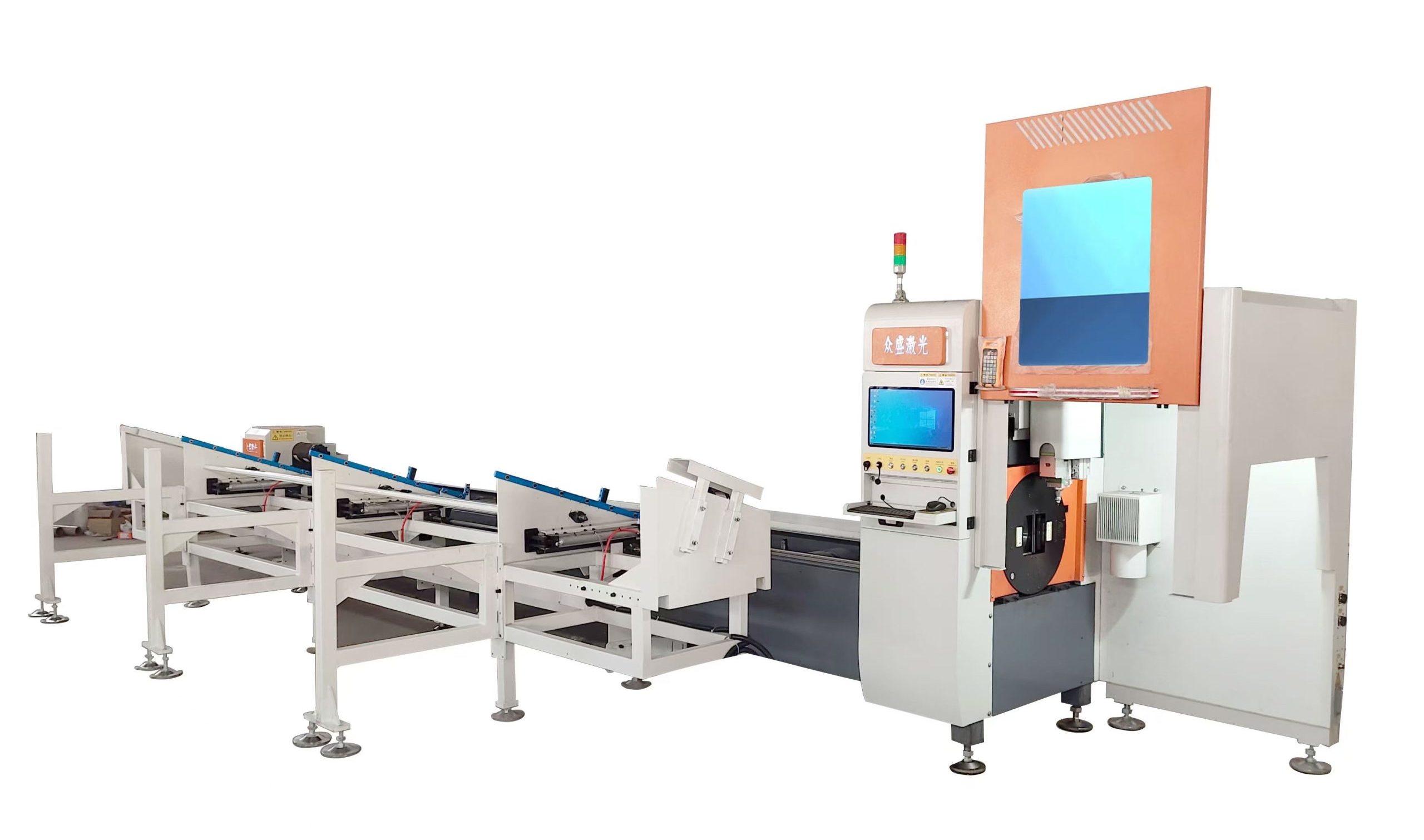
Laser pipe cutting machine
Industries such as sheet metal fabrication, automotive manufacturing, machinery production, and aerospace rely heavily on fiber laser cutting technology.
1.2.CO2 Laser Cutting Machines
CO2 laser cutting machines are more suitable for non-metal materials such as:
- Wood
- Acrylic
- Leather
- Fabric
- Paper
- Rubber
Although fiber lasers have largely replaced CO2 lasers for metal cutting, CO2 systems remain popular in sign making, crafts, advertising products, and customized gifts.
2.Laser Welding Machines
Laser welding technology has experienced rapid growth in recent years, especially with the introduction of handheld laser welding machines.
Laser welding uses a highly concentrated laser beam to melt and join materials with minimal heat-affected zones and excellent weld quality.
2.1.Handheld Laser Welding Machines
Handheld laser welders have transformed the welding industry by offering:
- Easy operation
- Fast learning curve
- Reduced post-processing
- Cleaner weld appearance
These machines are widely used for stainless steel fabrication, metal furniture, kitchen equipment, cabinets, and sheet metal products.
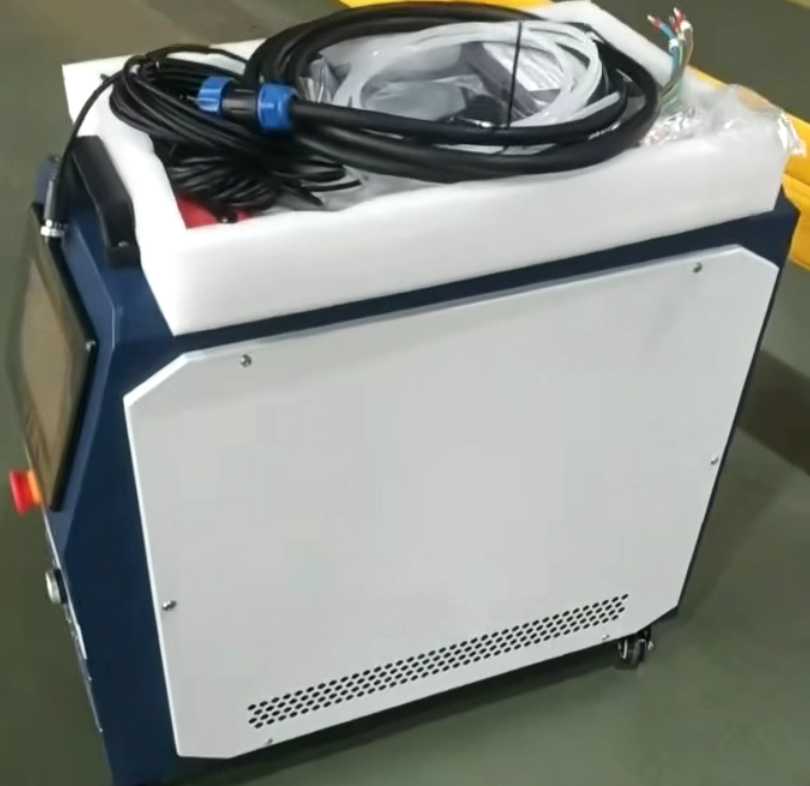
Handheld laser welding machine
2.2.Automated Laser Welding Systems
For high-volume production environments, laser welding systems can be integrated with robots and automated production lines.
These systems provide consistent welding quality, higher productivity, and lower labor costs.
3.Laser Machines For Marking
Laser machine for marking is one of the most common industrial laser applications.Unlike cutting or engraving, laser marking creates permanent information on the surface without removing significant amounts of material.
Typical marking applications include:
- Logos
- Serial numbers
- QR codes
- Data Matrix codes
- Product identification
- Traceability systems
3.1.Fiber Laser Marking Machines
Fiber laser marking machines are the preferred solution for metal marking.
They are widely used for marking:
- Stainless steel
- Aluminum
- Brass
- Copper
- Titanium
- Industrial components
Their durability, speed, and low maintenance requirements make them ideal for industrial production.
3.2.UV Laser Marking Machines
UV laser marking machines use 355nm ultraviolet lasers and are known for their ultra-fine marking capabilities.
They are commonly used for:
- Plastics
- Medical devices
- Electronic components
- PCB boards
- Glass
- Precision instruments
Because UV lasers generate less heat, they are often referred to as “cold processing” systems.
3.3.CO2 Laser Marking Machines
CO2 laser marking systems are primarily used on non-metal materials including wood, leather, acrylic, paper, and packaging materials.
They are widely used in packaging, gift manufacturing, and advertising industries.
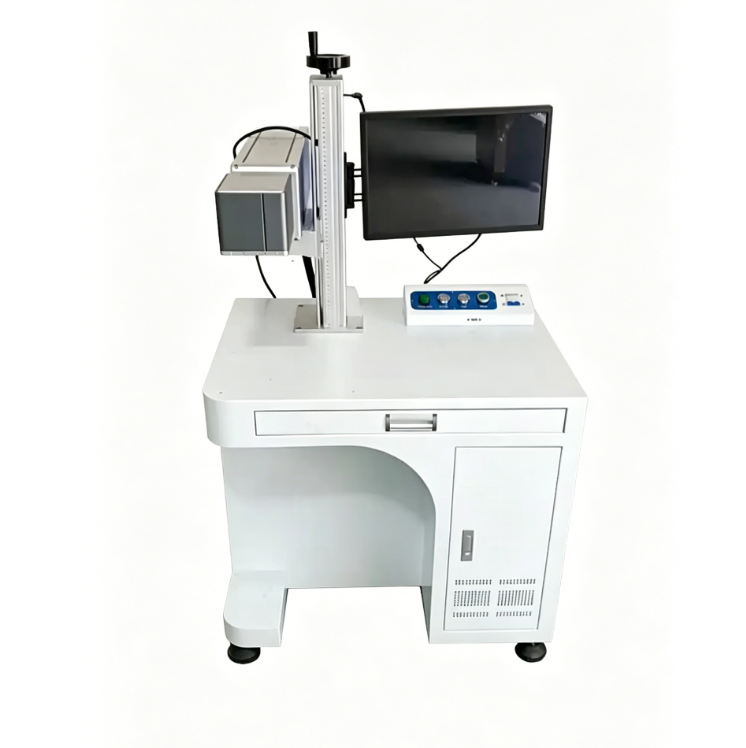
3D Laser Marking Machine
4.Laser Engraving Machines
Laser engraving differs from laser marking because it removes material to create a deeper permanent mark.
Laser engraving is commonly used for:
- Personalized gifts
- Jewelry engraving
- Nameplates
- Trophy customization
- Tool marking
- Decorative products
Fiber laser engravers are ideal for metal engraving, while CO2 laser engravers excel at wood and acrylic engraving.
For glass engraving and crystal processing, UV laser engraving machines provide superior precision and lower cracking risk.
5.Laser Cleaning Machines
Laser cleaning has become one of the fastest-growing laser technologies worldwide.
Instead of using chemicals or abrasive media, laser cleaning removes contaminants through concentrated laser energy.
Common applications include:
- Rust removal
- Paint stripping
- Oxide layer removal
- Mold cleaning
- Surface preparation
- Historical restoration
Laser cleaning offers significant environmental advantages because it requires no chemicals and generates minimal waste.
6.Laser Drilling Machines
Laser drilling systems are designed for creating extremely small and precise holes that are difficult to achieve with conventional machining.
Applications include:
- PCB manufacturing
- Aerospace components
- Fuel injectors
- Medical devices
- Precision filters
Laser drilling delivers exceptional accuracy, consistency, and productivity.
7.Laser Cladding Machines
Laser cladding is an advanced surface engineering technology.A laser beam melts metallic powder onto a substrate, creating a new wear-resistant or corrosion-resistant surface layer.Essentially, it also belongs to a type of laser welding machine.
Laser cladding is widely used in:
- Mining equipment
- Oil and gas components
- Heavy machinery
- Power generation equipment
- Aerospace parts
This technology helps extend component lifespan and reduce maintenance costs.
Measurement and Inspection Laser Systems
Many people associate lasers only with manufacturing, but lasers also play a critical role in measurement and inspection.
1.Laser Distance Meters
Laser distance meters are among the most common laser devices used by consumers and professionals.
They calculate distance by measuring the time required for a laser beam to travel to a target and return.
Applications include:
- Construction
- Interior design
- Real estate
- Surveying
- Engineering projects
Compared with traditional tape measures, laser distance meters provide faster and more accurate measurements.
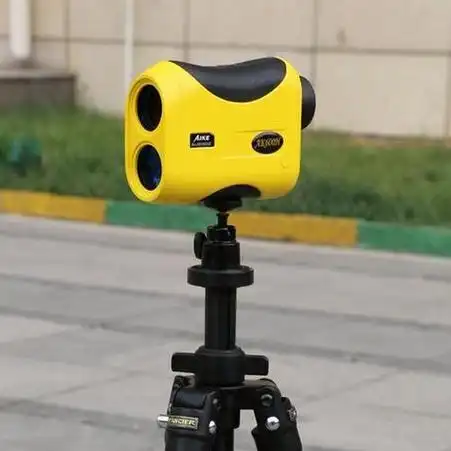
Laser rangefinder
2.Laser Scanning Systems
Laser scanning technology creates highly accurate digital representations of physical objects.
Applications include:
- 3D scanning
- Reverse engineering
- Architectural documentation
- Heritage preservation
- Industrial inspection
Laser scanners are increasingly important in digital manufacturing and Industry 4.0 environments.
3.Laser Alignment Systems
Laser alignment systems help ensure precision positioning in industrial environments.
They are commonly used for:
- Machinery installation
- Shaft alignment
- Equipment calibration
- Production line setup
Proper alignment improves efficiency and reduces mechanical wear.
Medical and Aesthetic Laser Systems
Beyond manufacturing, lasers have transformed healthcare and cosmetic treatment industries.
1.Medical Laser Machines
Medical lasers are widely used in:
- Ophthalmology
- Dentistry
- Dermatology
- Vascular treatment
- Surgical procedures
Different wavelengths are selected depending on the target tissue and treatment objectives.2.
2.Aesthetic Laser Machines
Aesthetic laser systems have become extremely popular for non-invasive cosmetic treatments.
Common applications include:
- Laser hair removal
- Tattoo removal
- Pigmentation treatment
- Skin rejuvenation
- Acne treatment
Modern cosmetic lasers provide precise treatment with shorter recovery times compared to traditional procedures.
Printing and Surface Decoration Technologies
Not all marking solutions rely exclusively on lasers.
In many industries, UV printing technology complements laser marking systems.
UV Printers
UV printers use ultraviolet-curable inks to print directly onto product surfaces.
They can print on:
- Glass
- Metal
- Plastic
- Wood
- Acrylic
- Leather
Unlike laser marking, UV printing adds color graphics and photographic-quality images to surfaces.
For many manufacturers, laser marking and UV printing work together as complete product identification and decoration solutions.
The Future of Laser Technology
The laser industry continues to evolve rapidly.
Future trends include:
- AI-powered laser systems
- Robotic laser automation
- Smart manufacturing integration
- Ultra-high-power fiber lasers
- Picosecond lasers
- Femtosecond lasers
- Additive manufacturing and metal 3D printing
As technology advances, lasers will become even more precise, efficient, and accessible across a broader range of industries.
Conclusion
Laser technology has evolved far beyond simple cutting applications. Today, laser machines are used for cutting, welding, marking, engraving, cleaning, drilling, cladding, measuring, scanning, medical treatment, aesthetic procedures, and surface decoration.
Each type of laser machine serves a unique purpose, and selecting the right system depends on material requirements, production goals, precision standards, and budget considerations.
Understanding the strengths and applications of each laser technology is the first step toward making the right investment and maximizing production efficiency.
About ZS Machinery
ZS Machinery specializes in industrial laser equipment and surface marking solutions for customers worldwide. Our product portfolio includes Fiber Laser Marking Machines, UV Laser Marking Machines, Laser Welding Machines, Laser Cleaning Machines, Portable Laser Engraving Machines, UV Printers, and Dot Peen Marking Machines.
With years of industry experience, we provide not only equipment but also complete application support, including material testing, parameter optimization, automation integration, and customized solutions. Whether you are a manufacturer, processing service provider, or growing business, ZS Machinery can help you find the most suitable and cost-effective marking and processing solution for your application.
A Complete Guide to Laser Engraving and Cutting Acrylic: Equipment Selection, Processing Techniques, and Application Analysis