How to Choose Laser Engraver For Metal: Power, Equipment Types, and Configuration Guide
In recent years, the demand for laser engraver for metal has continued to grow. However, during the actual selection process, many users face a key question: which type of laser equipment is truly suitable for metal engraving? Should you choose a compact marking machine, or go directly for a high-power cutting system?
The answer depends on your engraving depth, workpiece size, and production requirements. Below, we will systematically break this down based on real-world applications.
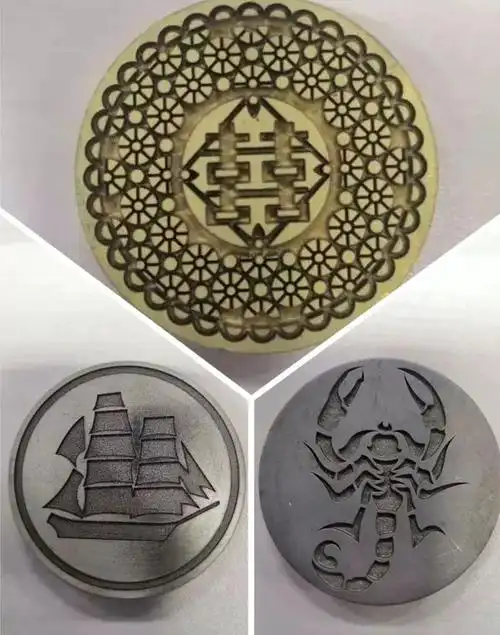
Laser engraver for metal sample
What Is a Laser Engraver For Metal?
A metal laser engraving machine uses a high-energy laser beam to process metal surfaces. Depending on power and process, it can achieve:
Surface marking (logos, serial numbers, QR codes, etc.)
Shallow engraving (textured patterns with some depth)
Deep engraving (clear structural material removal)
Although all of these are forms of laser processing, the final result depends on machine power and processing method. So how should you choose? Below are some practical suggestions from ZS Machinery.
If You Are Engraving Small Metal Parts
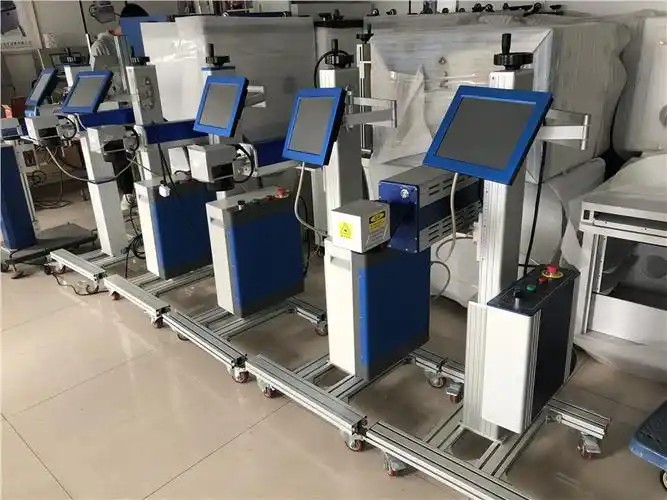
For small metal components such as jewelry or stamps, the most common and practical solution is use a fiber laser marking machine to be a laser engraver for metal. With sufficient power and proper operation, it can effectively complete most small-part engraving tasks.
To achieve better engraving results, it is recommended to choose a 50W–300W fiber laser marking machine, as this power range provides faster processing speed and deeper engraving capability. Metal materials have high absorption for 1064 nm fiber lasers, making them suitable for: stainless steel, aluminum, copper, brass, titanium, gold, silver, and various alloys.
The typical marking/engraving area of a laser marking machine ranges from 100×100 mm to 300×300 mm. If your metal parts fall within this range, it is the most suitable choice. It allows you to achieve:
High-speed surface marking
Fine engraving
Deep engraving through multiple passes
Advantages of Using a Fiber Laser Marking Machine for Metal Engraving
1.Multi-functional use, higher equipment utilization
One machine can perform both marking and shallow engraving without additional equipment. Ideal for products requiring logos, serial numbers, QR codes, and textures (such as tools, nameplates, jewelry, precision parts), especially in multi-variety, small-batch production.
2.High precision and excellent detail performance
The fine laser spot and concentrated energy enable high-precision processing. Whether for micro text, complex graphics, or high-density QR codes, results remain clear and uniform—suitable for electronics and precision components.
3.Non-contact processing for better stability
No tool contact means no mechanical stress or tool wear, reducing errors and preventing deformation or damage to the workpiece, ensuring long-term consistency.
4.Low cost and easy maintenance
No consumables like ink or tools are required. Laser sources have long lifespans (up to 100,000 hours for high-quality lasers), ensuring stable operation and reduced long-term costs.
5.Flexible processing for customization
By adjusting parameters (power, frequency, speed), different engraving depths and effects can be achieved without hardware changes—ideal for customized and small-batch production.
6.Easy automation integration
Can be combined with rotary devices, conveyors, or vision systems to enable automatic loading, positioning, and batch processing—suitable for modern automated production lines.
7.Wide metal compatibility
Suitable for stainless steel, carbon steel, gold, silver, aluminum, copper, titanium, and various alloys, as well as anodized or plated surfaces.
Limitations:
Low efficiency for large-area engraving
Deep engraving requires multiple passes, which is time-consuming
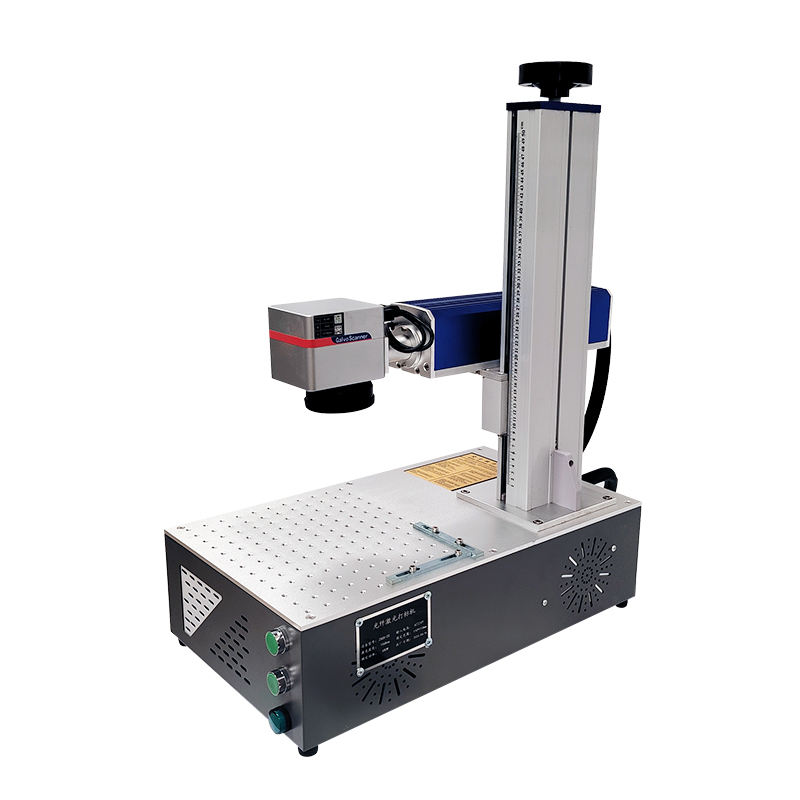
All In One Desktop Fiber Laser Marking Machine
If You Are Engraving Large Metal Workpieces
When your application shifts from small parts to large metal workpieces or thick plates, traditional marking or low-power engraving solutions become limited—especially in scenarios such as:
Large metal sheets (full-panel marking or pattern engraving)
Thick materials requiring significant depth
Deep engraving or structural material removal
In these cases, the core requirement is no longer “marking,” but efficient material removal. Therefore, a fiber laser cutting machine is the better solution.
Recommended power: 1000W and above
At this power level, the role of the laser fundamentally changes—it is no longer just surface processing, but capable of continuous, high-speed material removal.
Why High-Power Equipment Is Necessary
At this level, the machine can achieve:
1.One-pass deep processing
Deep engraving or cutting without repeated scanning, greatly improving efficiency
2.Higher processing speed
Compared to layer-by-layer removal with low-power machines, high-power lasers remove material directly and quickly
3.Stronger thick material capability
Able to process thicker metals for industrial-grade applications
4.Larger working area
Equipped with large platforms for full-sheet or large workpiece processing
Typical Applications
Such equipment is widely used in high-demand industrial fields, including:
Metal sheet pattern engraving and marking
Industrial structural parts (brackets, enclosures, frames)
Thick plate cutting and deep engraving
Heavy manufacturing and engineering
In these scenarios, efficiency and capability are far more important than fine detail—and high-power laser systems are designed for exactly this purpose.
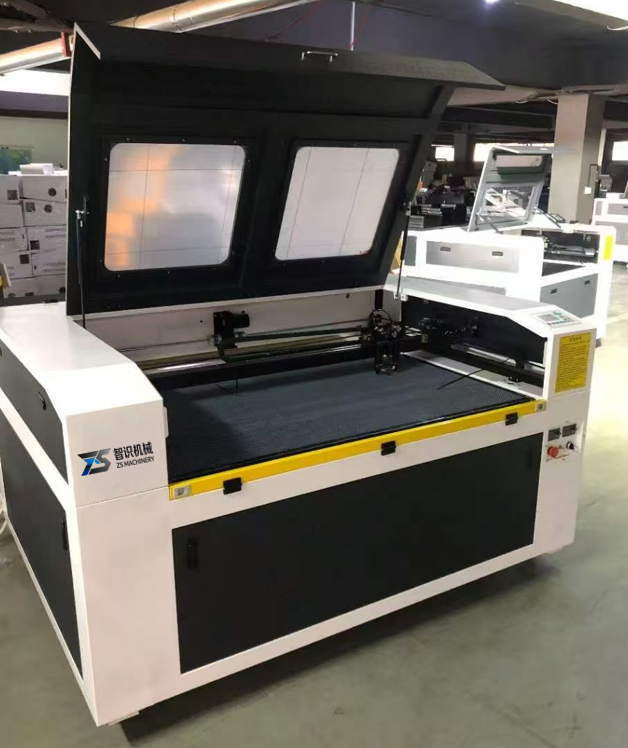
Laser Cutting Machine
Key Differences from Marking Machines
Compared to fiber laser marking machines, laser cutting machines differ in structure and function:
1.Equipped with professional cutting heads
Combined with assist gases (such as oxygen or nitrogen) for better cutting quality and efficiency
2.Larger working area
Capable of processing full sheets instead of small areas
3.Higher overall efficiency
Much more efficient for deep and large-area processing
When your needs shift from “marking” to “processing,” especially involving large size + depth + thick materials,
a fiber laser cutting machine is the more appropriate choice.
Otherwise, even with a high-power marking machine, you may face low efficiency and unstable results.
Conclusion: Choosing the Right Equipment—and the Right Supplier
Whether it’s fine engraving on small metal parts or deep processing of large metal sheets, the key is finding the right match between application requirements and machine capability. Choosing the right equipment improves efficiency—but choosing the right supplier ensures long-term stability and consistent results.
ZS Machinery has been deeply involved in laser marking and engraving applications for many years, with extensive experience across industries. We focus not only on configurations, but also on machine calibration, parameter optimization, and strict quality control before delivery. All production partners have over a decade of experience, ensuring high standards from assembly to final delivery.
No matter whether your need is precision marking and engraving for small parts or large-format, high-power metal processing, we can recommend the most suitable solution based on your materials, dimensions, and application requirements. In addition, all machines come with at least a one-year warranty, giving you long-term peace of mind.
If you are still unsure which solution is right for you, simply share your requirements with us—we will provide a more detailed and professional recommendation tailored to your needs.
3D Marking vs 2D Laser Marking: What’s the Difference and Which One Should You Choose?