Why Fiber Laser Is the Best Choice for Metal Engraving
In modern manufacturing, metal engraving is no longer just about marking a surface—it’s about precision, durability, consistency, and production efficiency.Whether it’s for traceability, branding, or functional marking, manufacturers are looking for solutions that can deliver high-quality results at scale.
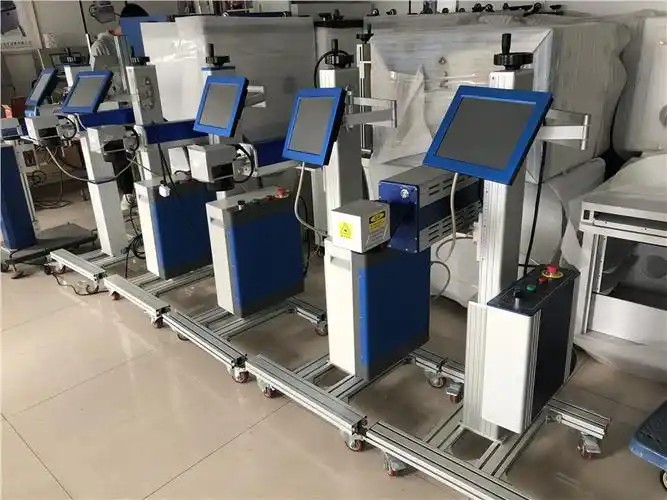
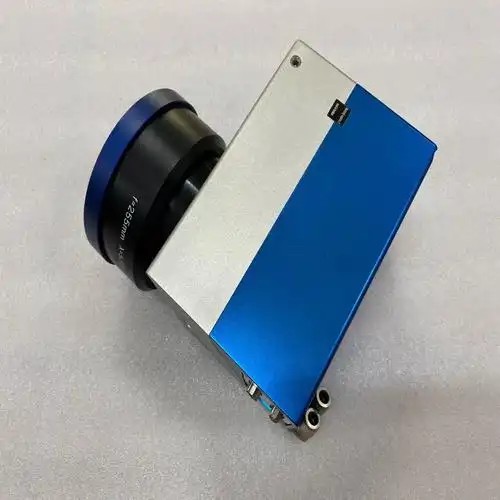
Among all available technologies, fiber laser for engraving has become the preferred solution for industries ranging from automotive and electronics to jewelry and precision engineering.But what exactly makes fiber laser engraving stand out? And why is it so widely considered the best choice for metal applications?
Let’s break it down.
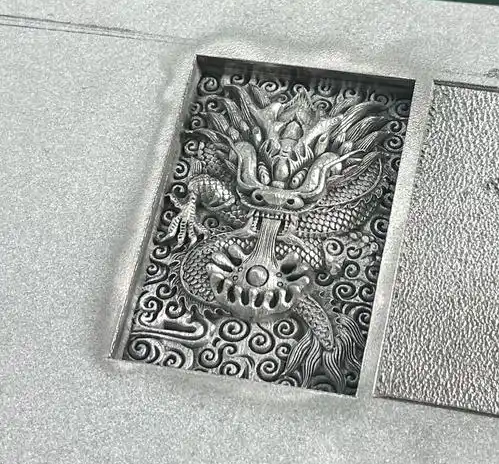
Fiber laser engraving metal sample
What Is Fiber Laser Engraving?
Fiber laser engraving uses a high-energy laser beam (typically with a wavelength of 1064 nm) to interact with the surface of metal materials.Instead of relying on physical tools or chemical processes, the laser delivers concentrated energy to a very small area, causing the material to melt, oxidize, or vaporize in a controlled way. This creates a permanent mark without direct contact.
Depending on the parameters and process strategy, fiber laser engraving can achieve:
- Surface marking (logos, text, QR codes)
- Deep engraving through multiple passes
- High-contrast marking (black, white, or oxidized effects)
- Ultra-fine precision engraving for micro components
Because the process is digitally controlled, it offers excellent repeatability and flexibility for both small-batch and mass production.
Why Fiber Laser Is Ideal for Metal Engraving
1. High Absorption on Metal Materials
Metals such as stainless steel, aluminum, brass, copper, and titanium have a high absorption rate at the 1064 nm wavelength, which is the standard for fiber lasers.
This physical advantage directly translates into better performance:
- Faster engraving speed due to efficient energy transfer
- Lower energy loss, improving overall efficiency
- More stable processing results, especially on reflective metals
Compared to other laser types (such as CO2), fiber lasers are inherently better suited for metal processing.
2. Exceptional Precision and Detail
Fiber laser systems can generate an extremely fine and focused beam spot, often in the range of tens of microns.
This allows for:
- Very small characters and fine text
- Complex graphics and detailed logos
- High-density QR codes and data matrix codes
- Micro-marking on precision components
Even on small or delicate parts, the engraving remains sharp, clean, and highly legible, making fiber lasers ideal for industries with strict accuracy requirements, such as electronics, aerospace, and medical devices.
3. Permanent and Wear-Resistant Marking
Unlike ink printing, stickers, or coatings, fiber laser engraving creates permanent physical or chemical changes on the material surface.
This ensures that the marking:
- Will not fade over time
- Is resistant to abrasion, heat, and chemicals
- Remains visible even in harsh environments
This is especially important for:
- Industrial traceability systems
- Serial numbers and batch codes
- Compliance and regulatory markings
In many industries, permanent marking is not optional—it’s a requirement.
4. Deep Engraving Capability
Although fiber lasers are commonly used for surface marking, they are also capable of deep engraving when properly configured.
This is typically achieved through:
- Multiple scanning passes
- Heat accumulation effects
- Layer-by-layer material removal
- Careful adjustment of power, frequency, and speed
With the right setup, users can create:
- Deep logos and branding marks
- Mold and die engraving
- Functional grooves or structural markings
This flexibility allows one machine to handle both light marking and heavy engraving tasks.
5. Non-Contact Process = No Tool Wear
Fiber laser engraving is a completely non-contact process, which brings several practical advantages:
- No mechanical force applied to the workpiece
- No tool wear or breakage
- No need for consumables like cutters or bits
This results in:
- Consistent marking quality over time
- Reduced maintenance requirements
- Lower downtime in production
Compared to traditional mechanical engraving, this is a major improvement in both reliability and cost efficiency.
6. Low Operating Cost and High Efficiency
Fiber laser systems are known for their long lifespan and energy efficiency.
Typical advantages include:
- Laser source lifespan up to 100,000 hours
- Low electricity consumption compared to other laser types
- Minimal maintenance (no mirrors, no frequent replacements)
As a result:
- Total cost of ownership is significantly reduced
- Production efficiency is improved
- Return on investment (ROI) is faster
For manufacturers, this combination of performance and cost control is a key reason for choosing fiber lasers.
7. Easy Integration with Automation
Modern fiber laser engraving machines are designed to integrate easily into automated production systems.
They can be combined with:
- Conveyor systems for continuous production
- Rotary devices for cylindrical parts
- Vision positioning systems for precision alignment
- Robotic arms for flexible automation
This makes them ideal for:
- High-volume manufacturing
- Automated production lines
- Smart factory environments
Fiber Laser vs Other Engraving Methods
| Method | Precision | Speed | Maintenance | Metal Compatibility |
|---|---|---|---|---|
| Fiber Laser | Very High | Fast | Low | Excellent |
| CO2 Laser | Medium | Medium | Medium | Poor (for metal) |
| Mechanical Engraving | Medium | Slow | High | Good |
| Chemical Etching | Low | Slow | High | Limited |
👉 Conclusion:
For metal engraving applications, fiber laser clearly offers the best balance of precision, efficiency, and long-term reliability.
Typical Applications of Fiber Laser Engraving
Fiber laser engraving is widely used across various industries, including:
- Automotive parts (engine components, VIN marking)
- Tools and hardware engraving
- Metal nameplates and tags
- Jewelry and decorative engraving
- Mold and die engraving
- Electronic components and housings
Its versatility makes it suitable for both industrial production and customized manufacturing.
When Should You Choose Fiber Laser for Engraving?
You should consider fiber laser engraving if your application requires:
- High precision and fine detail
- Permanent and durable marking
- Reliable performance on metal materials
- Low long-term operating cost
- Scalable production capability

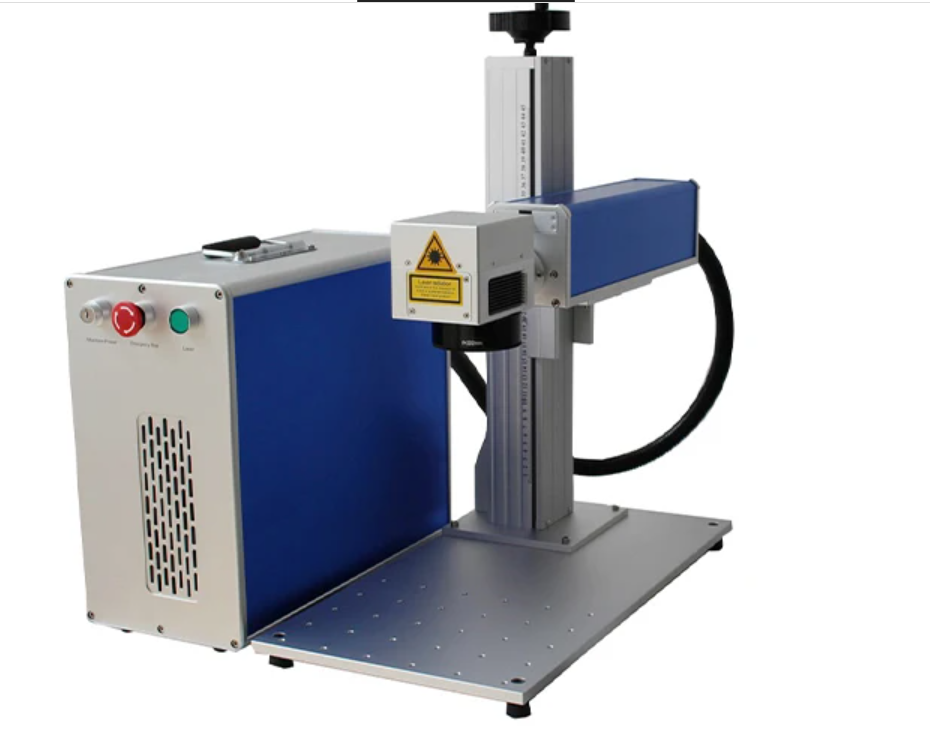
Cabinet-type fiber laser marking machine
Final Thoughts
Choosing the right engraving technology directly impacts your production efficiency, product quality, and long-term costs.
For metal applications, fiber laser is not just a good option—it is often the most practical, efficient, and reliable solution available today.
If you are planning to use a fiber laser for engraving metal, ZS Machinert will help you evaluate:
- Your material type
- Required engraving depth
- Production volume
- Level of automation
Contact us today to select the right configuration based on these factors can significantly improve your results and overall productivity.
Glass Laser Marking: Methods, Challenges, and Practical Solutions