Laser Marking Systems: Complete Guide to Components, Technologies and Industrial Applications
Introduction
Laser marking technology has become a critical part of modern manufacturing. From automotive components and aerospace parts to electronics, medical devices, batteries, and consumer products, laser marking systems are now widely used for identification, traceability, branding, and quality control.
However, many people mistakenly think a laser marking system is simply a laser marking machine.
In reality, an industrial laser marking system is a complete solution consisting of laser sources, optical components, control software, motion systems, automation modules, vision systems, safety devices, and production data integration.
This article explains everything inside a laser marking system, how it works, and how manufacturers can choose the right configuration for their production requirements.
Laser Marking Machine Galvanometer
What Is a Laser Marking System?
A laser marking system is an integrated manufacturing solution that uses laser technology to create permanent marks on a product surface.
These marks may include:
- Text
- Logos
- Serial numbers
- QR codes
- Data Matrix codes
- Barcodes
- UID codes
- Product traceability information
Unlike a standalone laser machine, a complete laser marking system may include automation equipment, conveyors, robots, cameras, databases, and factory software.
The goal is not only to create a mark but also to integrate identification and traceability into the production process.
Main Components of a Laser Marking System
A modern laser marking system typically consists of several major components.
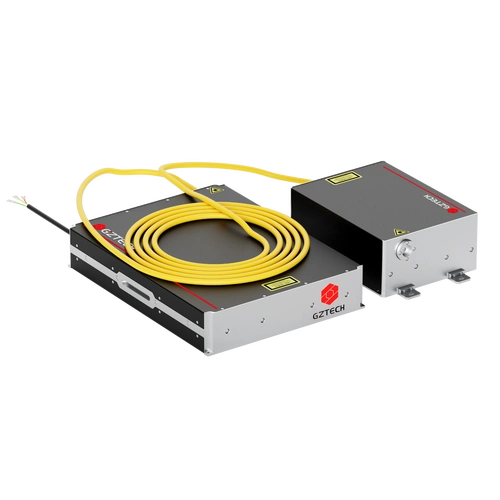
1. Laser Source
The laser source is the heart of the entire system.
It generates the laser beam used for marking.
Different materials require different laser technologies.
Fiber Laser
Wavelength:
1064nm
Suitable for:
- Stainless steel
- Aluminum
- Carbon steel
- Brass
- Copper
- Titanium
Advantages:
- High speed
- Low maintenance
- Long lifespan
- Excellent metal marking performance
50W fiber Laser Source
MOPA Fiber Laser
An upgraded fiber laser technology.
Advantages:
- Adjustable pulse width
- Black marking on stainless steel
- Color marking
- High-contrast QR codes
Commonly used in:
- Electronics
- Battery manufacturing
- Consumer electronics
UV Laser
Wavelength:
355nm
Suitable for:
- Plastics
- Glass
- Medical devices
- PCB boards
- Electronic components
Advantages:
- Cold processing
- Minimal heat damage
- Ultra-fine marking
CO₂ Laser
Wavelength:
10.6μm
Suitable for:
- Wood
- Leather
- Paper
- Rubber
- Textiles
- Packaging materials
Advantages:
- Excellent non-metal processing capability
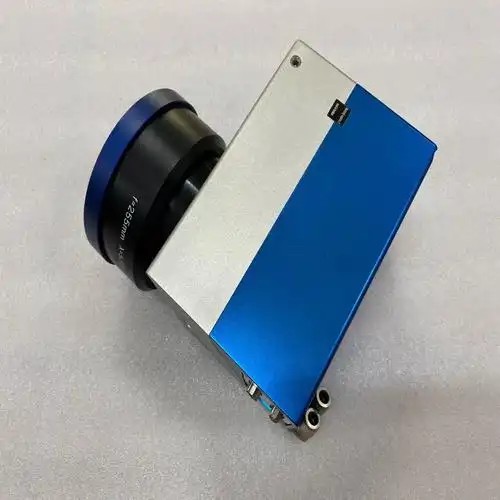
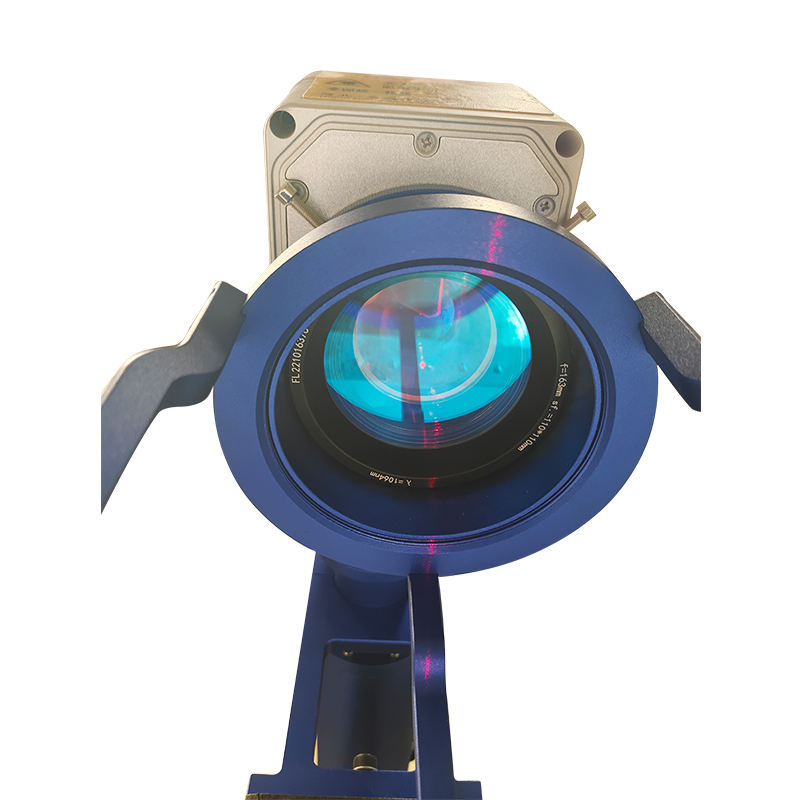
2. Galvo Scanning System
The galvo scanner controls the movement of the laser beam.
It consists of:
- X-axis mirror
- Y-axis mirror
- High-speed servo motors
Instead of moving the workpiece, the scanner rapidly redirects the laser beam.
Benefits include:
- High speed
- High precision
- Stable marking quality
Modern galvo systems can achieve speeds exceeding:
7000 mm/s
3. F-Theta Lens
The F-theta lens focuses the laser beam onto the workpiece.
The lens determines:
- Marking area
- Spot size
- Marking precision
Typical options:
| Lens | Marking Area |
|---|---|
| 110×110mm | High precision |
| 150×150mm | Standard |
| 200×200mm | Large format |
| 300×300mm | Large area production |
The choice of lens significantly impacts marking quality.
4. Control Software
The software serves as the brain of the system.
Functions include:
- Graphic design
- Text editing
- QR code generation
- Barcode generation
- Serial number creation
- Variable data marking
Common software includes:
- EZCAD
- EZCAD2
- EZCAD3
- LightBurn
- Customized industrial software
Modern systems can connect directly to:
- MES systems
- ERP systems
- Production databases
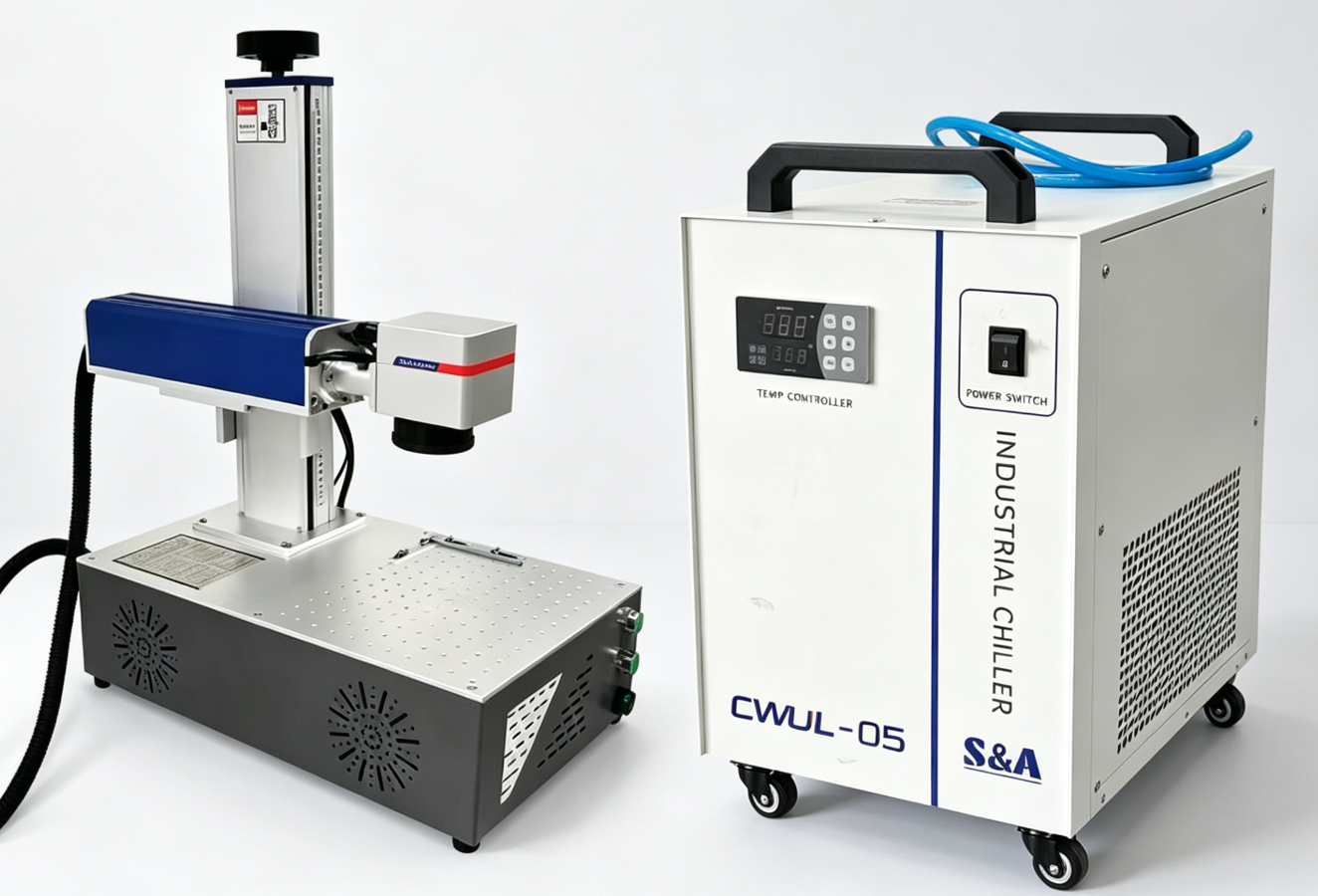
UV Laser Marking Machine for glass marking
5. Motion Control System
For larger parts, the laser head alone may not be enough.
Motion systems may include:
Motorized Z Axis
Automatically adjusts focus.
XY Worktable
Moves parts automatically.
Rotary Axis
Used for:
- Pipes
- Bottles
- Cylinders
- Rings
XYZ Platforms
Used for:
- Large products
- Deep engraving
- Complex positioning
6. Vision Positioning System
Vision technology has become increasingly important.
Industrial cameras allow:
- Automatic positioning
- Automatic alignment
- Defect detection
- Mark verification
Applications include:
- PCB marking
- Electronic components
- Medical devices
- Precision parts
Vision systems dramatically reduce setup time and improve consistency.
7. Safety Protection System
Industrial laser systems require safety protection.
Common components include:
Protective Enclosure
Prevents laser exposure.
Safety Interlock
Stops the laser when doors are opened.
Emergency Stop Button
Immediate shutdown in emergencies.
Laser Safety Window
Allows safe observation during operation.
These features help meet international laser safety standards.
8. Fume Extraction System
Laser marking creates smoke and particles.
A professional laser marking system usually includes:
- Smoke filtration units
- Dust collectors
- Activated carbon filters
Benefits include:
- Cleaner workspace
- Better optical protection
- Improved product quality
- Longer equipment lifespan
9. Automation Modules
This is where a laser marking machine becomes a laser marking system.
Automation options include:
Conveyor Systems
For continuous production.
Robotic Loading Systems
For unmanned operation.
Automatic Feeding Systems
For high-volume production.
Pallet Systems
For batch processing.
Industrial Robots
For complex part handling.
Modern automated systems can operate 24/7 with minimal human intervention.
10. Traceability and Data Management System
This is increasingly becoming the most valuable part of the entire system.
A modern laser marking system can automatically:
- Generate serial numbers
- Generate QR codes
- Generate Data Matrix codes
- Upload production records
- Link product information
- Track manufacturing history
The system can communicate directly with:
- MES
- ERP
- SAP
- Warehouse Management Systems
This creates a complete digital traceability solution.
Types of Laser Marking Systems
Depending on production requirements, laser marking systems can be classified into:
Standalone Laser Marking Systems
Suitable for:
- Workshops
- Job shops
- Small manufacturers
Conveyor Laser Marking Systems
Suitable for:
- Packaging lines
- Food production
- Consumer products
Robotic Laser Marking Systems
Suitable for:
- Automotive manufacturing
- Heavy industry
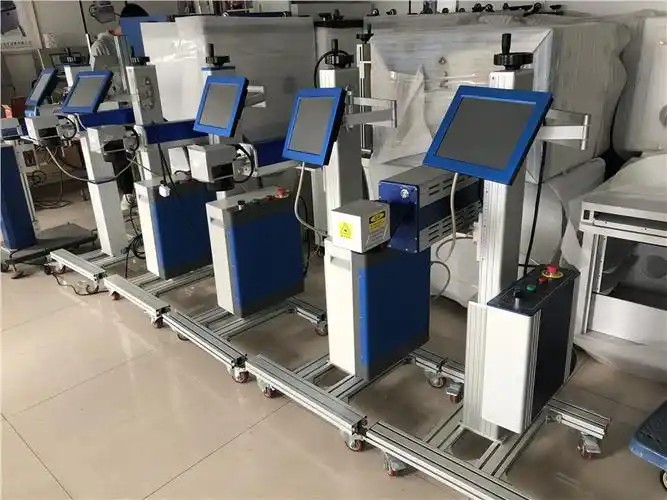
Online Flying Laser Marking Systems
Suitable for:
- High-speed production lines
Fully Automated Laser Marking Cells
Suitable for:
- Smart factories
- Industry 4.0 manufacturing
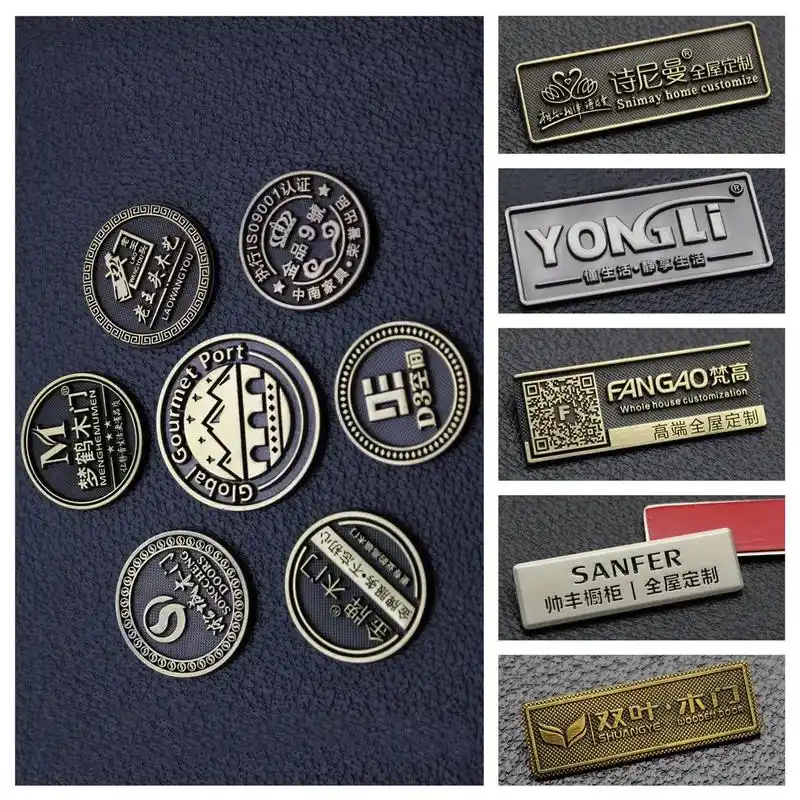
Metal Marking Samples
Future Trends of Laser Marking Systems
The next generation of laser marking systems is moving toward:
- AI-assisted quality inspection
- Machine vision positioning
- Robotic integration
- Cloud connectivity
- Digital twins
- Smart factory integration
- Fully automated traceability
Laser marking is no longer just a marking process.
It is becoming an essential component of modern digital manufacturing.
Looking for a Complete Laser Marking System?
ZS Machinery provides complete laser marking systems for industrial manufacturing, including Fiber Laser, MOPA Laser, UV Laser, and CO₂ Laser solutions. From standalone marking machines to fully automated production lines integrated with robots, vision systems, and MES software, we can customize a complete solution based on your material, production volume, traceability requirements, and automation goals.
Contact ZS Machinery today to discuss your application and discover the right laser marking system for your business.
A Complete Guide to Certification Marks: Types, Industry Applications, and Laser Marking Solutions