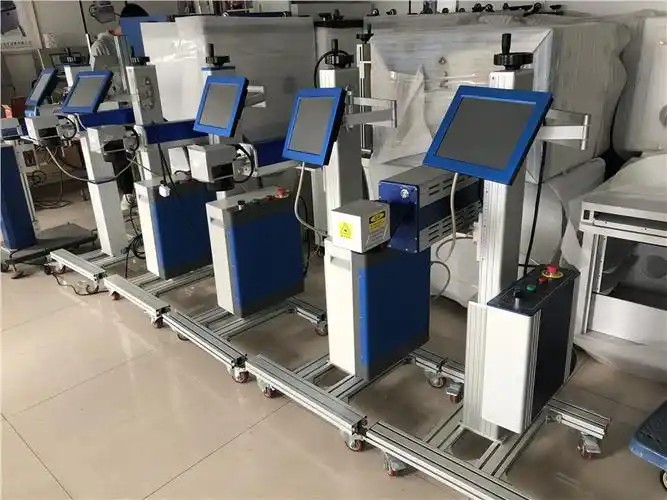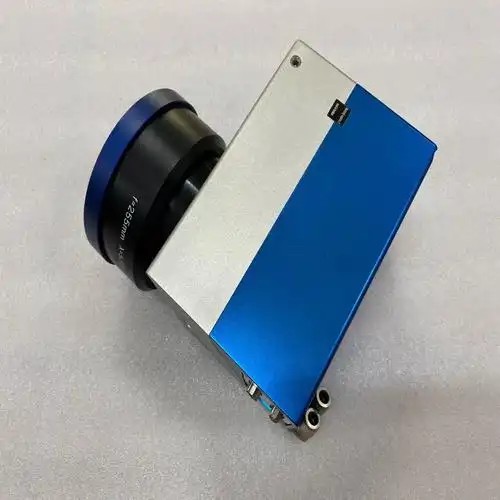
Fiber Laser Engraving Stainless Steel: The Complete Guide to Deep Metal Engraving
Stainless steel is one of the most commonly processed materials in modern manufacturing. It is widely used in molds, industrial components, medical instruments, kitchenware, machine parts, and custom metal products because of its excellent corrosion resistance, strength, and durability.As product identification and precision manufacturing continue to evolve, fiber laser engraving stainless steel has become one of the most efficient and reliable processing methods. Compared with traditional CNC engraving or mechanical engraving, fiber laser technology offers higher precision, lower maintenance, faster processing, and greater flexibility.
At ZS Machinery, we have helped customers engrave stainless steel for applications ranging from industrial molds and steel stamps to machinery components and decorative metal products. Based on our production experience, this guide explains how fiber laser engraving works, how deep it can engrave, how to choose the right laser power, and how to achieve the best engraving quality.
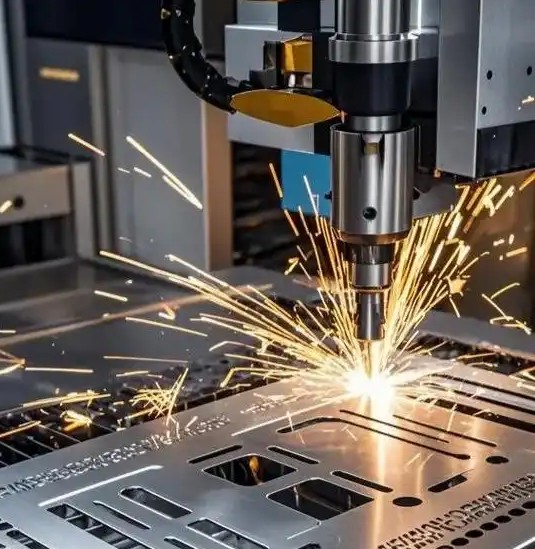
Laser engraving stainless steel
What Is Fiber Laser Engraving?
Fiber laser engraving is a laser processing technology that permanently removes material from the surface of stainless steel using a highly focused fiber laser beam. Unlike laser marking, which mainly changes the surface color or creates a shallow surface mark, laser engraving removes metal layer by layer to create measurable depth.
During engraving, the laser beam instantly heats a tiny area of the stainless steel to an extremely high temperature. The material vaporizes, allowing the machine to carve grooves, patterns, text, or three-dimensional details directly into the metal.
This permanent engraving cannot peel, fade, or wear away under normal operating conditions, making it ideal for industrial applications requiring long-term durability.
Fiber Laser Engraving vs. Laser Marking
Many people confuse laser engraving with laser marking, but they serve different purposes.
Laser marking changes the appearance of the stainless steel surface with little or no material removal. It is commonly used for QR codes, serial numbers, logos, and product identification.
Fiber laser engraving removes material to create actual depth. Because the engraved area becomes part of the metal itself, it provides superior wear resistance and remains readable even after years of abrasion, polishing, or harsh industrial environments.
For manufacturers producing molds, steel stamps, industrial tools, or permanent identification plates, engraving is usually the preferred solution.
Why Stainless Steel Is Ideal for Fiber Laser Engraving
Not all metals respond to laser processing in the same way. Stainless steel has become one of the most popular engraving materials because of several unique characteristics.
First, stainless steel has excellent thermal stability, allowing it to withstand concentrated laser energy without excessive deformation.
Second, its relatively high hardness produces clean engraving edges with minimal burr formation.
Third, stainless steel offers excellent corrosion resistance, ensuring that engraved information remains visible even in humid or chemically aggressive environments.
Common grades suitable for fiber laser engraving include:
- SUS304
- SUS316
- SUS430
- SUS420
- Tool steel
- Mold steel
Among these materials, 304 and 316 stainless steel are the most frequently processed because they combine excellent engraving quality with outstanding corrosion resistance.
Typical Applications of Fiber Laser Engraving Stainless Steel
Deep laser engraving is widely used across many industries.
Mold Engraving
One of the most common industrial applications is mold engraving.
Manufacturers engrave:
- Mold numbers
- Company logos
- Texture patterns
- Product identification
- Maintenance information
Because molds experience continuous wear during production, engraved information must remain permanently visible throughout the mold’s service life.
Steel Stamp Manufacturing
Fiber laser engraving is widely used to manufacture steel stamps.
Typical products include:
- Leather stamps
- Wood branding stamps
- Industrial embossing dies
- Food molds
- Soap molds
Compared with mechanical machining, laser engraving creates much finer details while reducing production time.
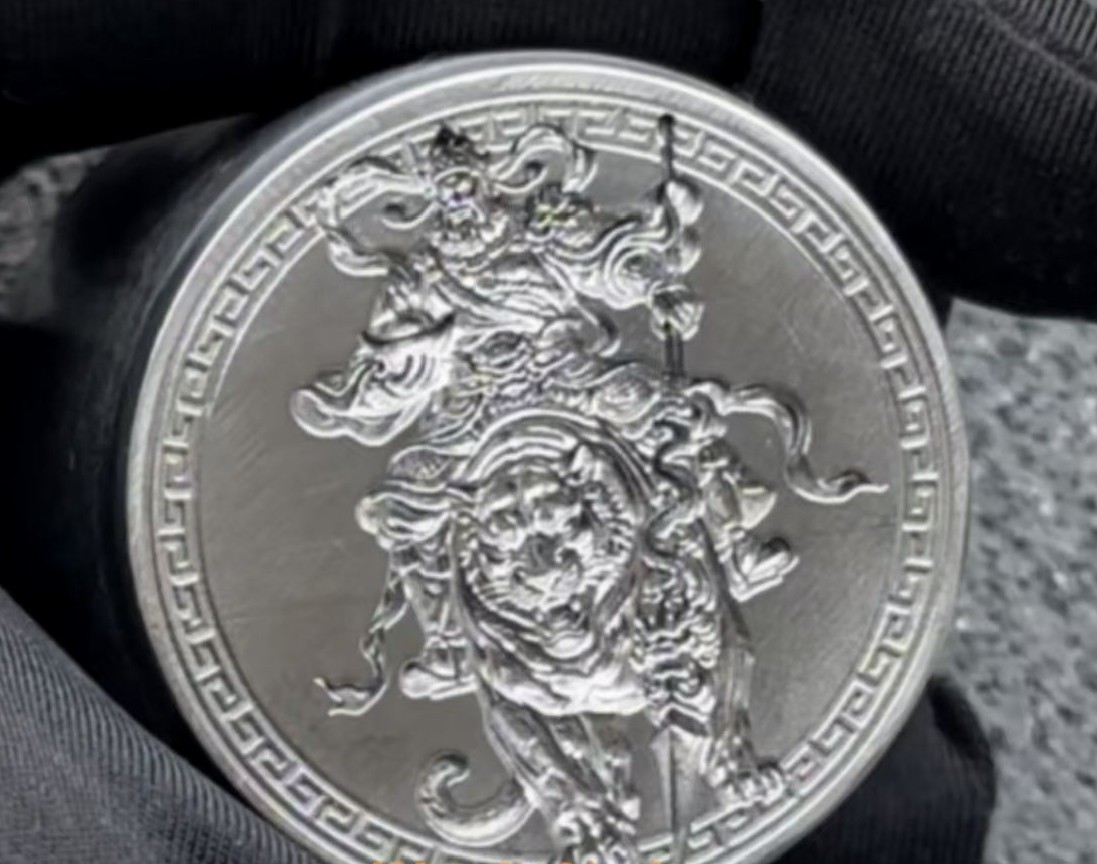
Stainless steel laser relief engraving effect
Industrial Nameplates
Heavy-duty stainless steel nameplates often require deep engraving to remain readable after years of outdoor exposure.
Applications include:
- Machine identification plates
- Pump nameplates
- Valve labels
- Marine equipment
- Industrial machinery
Industrial Components
Many manufacturers engrave stainless steel components directly to improve traceability.
Typical parts include:
- Bearings
- Machine frames
- Fixtures
- Tool holders
- Automotive components
- Medical instruments
Because engraved information becomes part of the material, it cannot be removed through normal wear.
Decorative Metal Products
Fiber laser engraving is also widely used for premium stainless steel products, including:
- Luxury gifts
- Metal artwork
- Decorative panels
- Knife handles
- Customized industrial products
High-resolution engraving allows manufacturers to produce complex graphics and intricate textures that would be difficult to achieve using traditional machining.
How Deep Can Fiber Laser Engrave Stainless Steel?
This is one of the questions we receive most frequently from customers.
The engraving depth depends on several factors, including laser power, engraving speed, frequency, focus position, hatch spacing, and the number of engraving passes.
Based on our production experience, the following values can be used as practical reference ranges.
| Laser Power | Typical Single-Pass Depth |
|---|---|
| 20W | 0.01–0.02 mm |
| 30W | 0.02–0.04 mm |
| 50W | 0.03–0.08 mm |
| 100W | 0.05–0.12 mm |
| 200W | 0.10–0.20 mm |
These values represent average engraving depth on stainless steel under optimized parameters.
When greater depth is required, multiple engraving passes can significantly increase the final result.
For example:
- 0.3 mm deep engraving is commonly achieved with multiple passes.
- 0.5 mm engraving is frequently used for molds and industrial tooling.
- More than 1 mm depth is possible on high-power fiber laser systems, although machining time increases considerably.
Rather than attempting to remove too much material in a single pass, we generally recommend multiple engraving cycles. This produces cleaner edges, reduces burr formation, minimizes thermal stress, and delivers a better surface finish.
How to Increase Engraving Depth
Many users believe that increasing laser power alone will produce deeper engraving. In reality, several parameters must work together.
Increase Laser Power
Higher power allows more energy to reach the material, improving material removal efficiency.
Reduce Engraving Speed
A slower speed allows the laser to remain on the material longer, increasing engraving depth.
Increase the Number of Passes
Multiple engraving cycles are usually more effective than excessive power in a single pass.
Optimize Hatch Spacing
Smaller hatch spacing increases energy density, producing deeper and more uniform engraving.
Maintain Proper Focus
Correct focus ensures maximum laser energy concentration.
Keep the Lens Clean
Even a small amount of dust on the protective lens can reduce laser efficiency and engraving depth.
Choosing the Right Fiber Laser Power
Different applications require different laser powers.
30W Fiber Laser
Suitable for:
- Light engraving
- Logos
- Product identification
- Small stainless steel components
Although capable of engraving, processing speed is relatively slow for deeper applications.
50W Fiber Laser (Recommended)
For most industrial customers, we recommend a 50W fiber laser engraver.
It provides an excellent balance between:
- Engraving depth
- Processing speed
- Investment cost
- Machine stability
This power level is ideal for:
- Mold engraving
- Steel stamps
- Industrial nameplates
- Machinery components
- Medium-depth engraving
For many factories, a 50W machine offers the best return on investment.
100W Fiber Laser
Recommended for:
- Deep engraving
- Continuous production
- Large stainless steel parts
- Heavy industrial applications
Compared with lower-power systems, a 100W laser significantly reduces production time while maintaining excellent engraving quality.
200W and Above
High-power fiber lasers are designed for demanding industrial applications requiring maximum productivity.For engraving on thick stainless steel plates, a 1000W or higher power laser cutting machine can be used to achieve the engraving function.
Typical applications include:
- Large molds
- Deep cavities
- Industrial tooling
- High-volume production
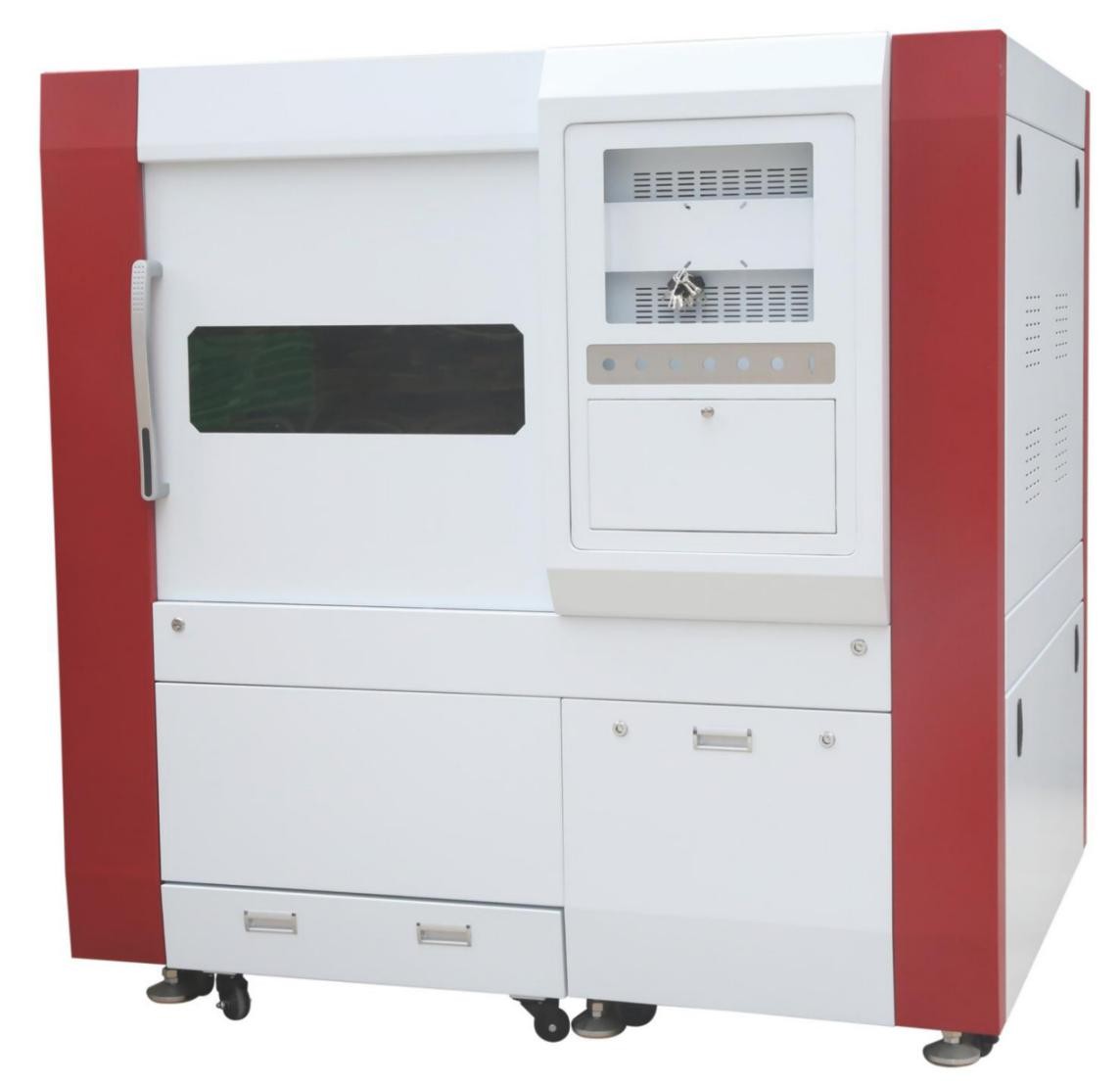
Precise laser engraving machine
Fiber Laser vs. CNC Engraving
Many manufacturers ask whether they should choose a fiber laser or a CNC engraving machine.
The answer depends on the application.
Fiber laser engraving offers several important advantages:
- No cutting tool wear
- No mechanical contact
- Higher engraving precision
- Faster processing for fine graphics
- Minimal maintenance
- Easy integration with automation
However, CNC engraving still has advantages when producing extremely deep cavities or large three-dimensional relief structures.
In many mold manufacturing facilities, fiber laser engraving and CNC machining are used together. The laser creates detailed text, logos, and fine features, while CNC equipment performs heavy material removal.
Practical Tips from ZS Machinery
After years of testing stainless steel engraving, we have accumulated several practical recommendations.
For deep engraving, avoid using maximum power with extremely high speed. Instead, use moderate speed combined with multiple engraving passes to achieve cleaner results.
If the engraving edges become rough or uneven, check the focus position before adjusting laser power.
For stainless steel molds, keeping the protective lens clean is just as important as selecting the correct parameters.
When engraving large graphics, smaller hatch spacing generally produces smoother surfaces and better consistency.
Finally, always test parameters on a sample before processing expensive molds or finished products. Even different grades of stainless steel can respond differently to the same laser settings.
Why Choose ZS Machinery?
ZS Machinery provides complete fiber laser engraving solutions for stainless steel processing.
Our product range includes:
- Desktop fiber laser engravers
- Cabinet fiber laser engraving machines
- Fully enclosed fiber laser systems
- High-power engraving solutions
- Rotary engraving devices
- Customized automation systems
Whether you are manufacturing industrial molds, steel stamps, machinery components, or customized stainless steel products, our engineers can recommend the most suitable equipment based on your production requirements.
From free sample testing and parameter optimization to automation integration and technical support, we help customers achieve stable, efficient, and high-quality engraving results.
If you are looking for a reliable fiber laser engraver for stainless steel, ZS Machinery can provide complete engraving solutions, professional technical support, and customized equipment designed to meet your production goals.
Custom Laser Engraving Services: From Personalized Products to Building Your Own Laser Engraving Business