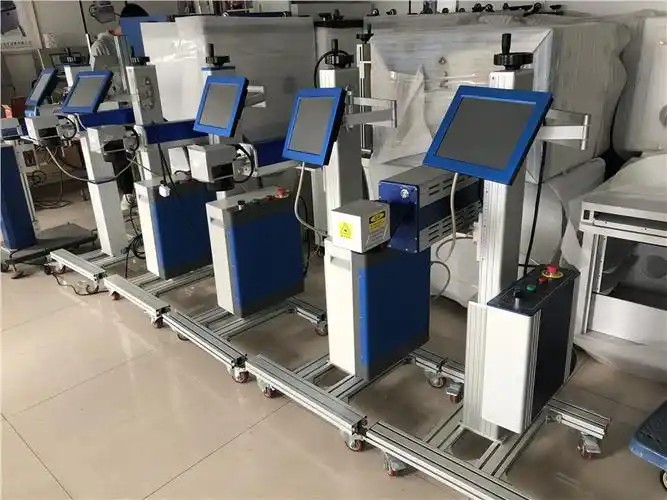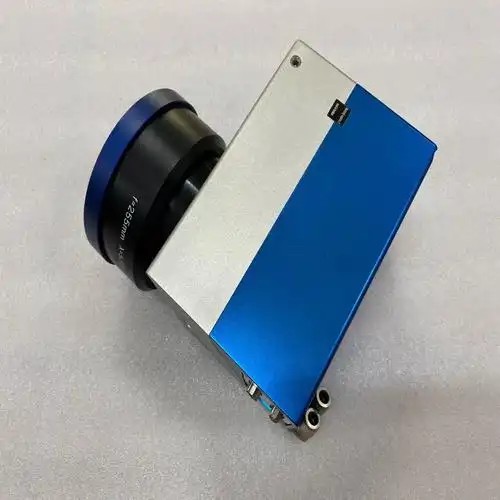
Laser Marking Depth vs Laser Engraving Depth: How Deep Can Different Laser Machines Mark?
One of the most common questions we receive from customers is:
“How deep can a laser marking machine engrave?”
Unfortunately, there isn’t a single answer.
Laser marking depth depends on many factors, including laser power, material type, marking speed, pulse settings, focal position, and even the cleanliness of the optics.
At ZS Machinery, we have tested thousands of marking applications on stainless steel, aluminum, titanium, brass, plastics, and other materials. In this guide, we’ll explain what actually determines laser marking depth and share practical depth ranges based on our real-world experience.
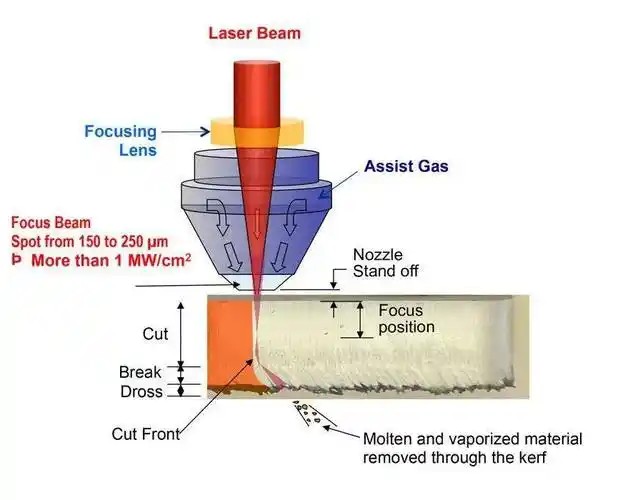
Laser marking depth
Laser Marking Depth vs Laser Engraving Depth
Although many people use these terms interchangeably, they are not exactly the same.
Laser marking mainly changes the surface of the material through oxidation, discoloration, or very shallow material removal. It is typically used for logos, serial numbers, QR codes, and product identification.
Laser engraving, on the other hand, removes a larger amount of material to create visible grooves or recessed patterns. It is commonly used for molds, decorative graphics, deep logos, and permanent identification that must withstand heavy wear.
Generally speaking:
- Laser marking depth: 0.01-0.05 mm
- Laser engraving depth: 0.05-1.00 mm or even deeper (multiple passes)
What Determines Laser Marking Depth?
Several parameters work together to determine the final engraving depth.
1. Laser Power
Higher power generally produces deeper engraving.
For example:
- 20W Fiber Laser
- 30W Fiber Laser
- 50W Fiber Laser
- 100W Fiber Laser
A 50W laser can often achieve the same engraving depth as a 20W machine in significantly less time.
However, higher power doesn’t always mean better quality. Excessive power may create burrs, melting, or excessive heat-affected zones.
2. Material Type
Different materials absorb laser energy differently.
Soft metals such as aluminum engrave relatively easily.
Harder materials such as stainless steel require more energy.
Highly reflective materials like gold and copper usually need higher power to achieve the same depth.
Plastics, wood, leather, and acrylic respond completely differently from metals because they rely on different laser wavelengths.
3. Marking Speed
This is one of the easiest parameters to adjust.
Slower speed means the laser stays longer on the material, depositing more energy.
As a result:
- slower speed = deeper engraving
- faster speed = shallower marking
4. Frequency and Pulse Width
Especially for MOPA fiber lasers, pulse settings have a significant influence on engraving performance.
Different pulse widths affect:
- energy density
- heat input
- engraving efficiency
- edge quality
This is why MOPA lasers are preferred for black marking on stainless steel and color marking on titanium.
5. Number of Passes
Many customers believe deeper engraving requires higher power.
Actually, increasing the number of passes is often a better solution.
For example:
One pass:
≈0.03 mm
Five passes:
≈0.12-0.18 mm
Ten passes:
≈0.30 mm or more
Multiple passes usually produce cleaner results than attempting to remove all material in a single pass.
6. Focus Position
Correct focus is essential.
If the laser is out of focus, the beam diameter increases and energy density decreases dramatically.
Even a high-power laser cannot engrave deeply if it is not properly focused.
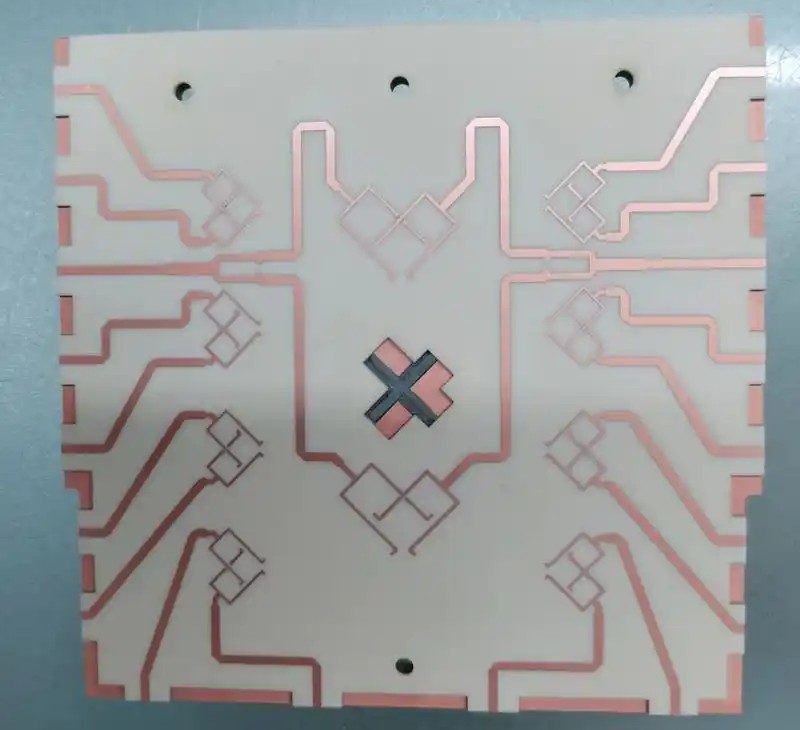
PCB Laser Engraving Sample
Typical Laser Marking Depths (Reference Values)
The following values are based on stainless steel using optimized parameters and should be considered practical reference ranges rather than guaranteed specifications.
| Laser Type | Typical One-Pass Depth |
|---|---|
| 20W Fiber Laser | 0.01-0.02 mm |
| 30W Fiber Laser | 0.02-0.03 mm |
| 50W Fiber Laser | 0.03-0.05 mm |
| 100W Fiber Laser | 0.05-0.08 mm |
With multiple passes, engraving depths of 0.3-0.5 mm are achievable on many metals.
How Deep Can Different Laser Types Engrave?
Fiber Laser
Best for:
- Stainless steel
- Aluminum
- Brass
- Titanium
- Carbon steel
Typical depth:
0.01-0.50 mm
(with multiple passes)
UV Laser
UV lasers are designed for precision marking rather than deep engraving.
Typical depth:
Less than 0.02 mm
Ideal for:
- PCB
- Glass
- Plastics
- Medical devices
- Electronic components
CO₂ Laser
CO₂ lasers work mainly on non-metal materials.
Typical engraving depth:
0.1-3 mm
Depending on:
- wood
- acrylic
- leather
- paper
- rubber
They can produce much deeper engraving than UV lasers on organic materials.
How to Increase Laser Engraving Depth
If deeper engraving is required, consider the following adjustments:
- Use a higher-power laser source.
- Reduce the marking speed.
- Increase the number of engraving passes.
- Optimize pulse frequency and pulse width.
- Ensure accurate focus.
- Keep protective lenses clean.
- Use a smaller field lens when possible to increase energy density.
In many applications, optimizing parameters can improve engraving depth more effectively than simply purchasing a more powerful machine.
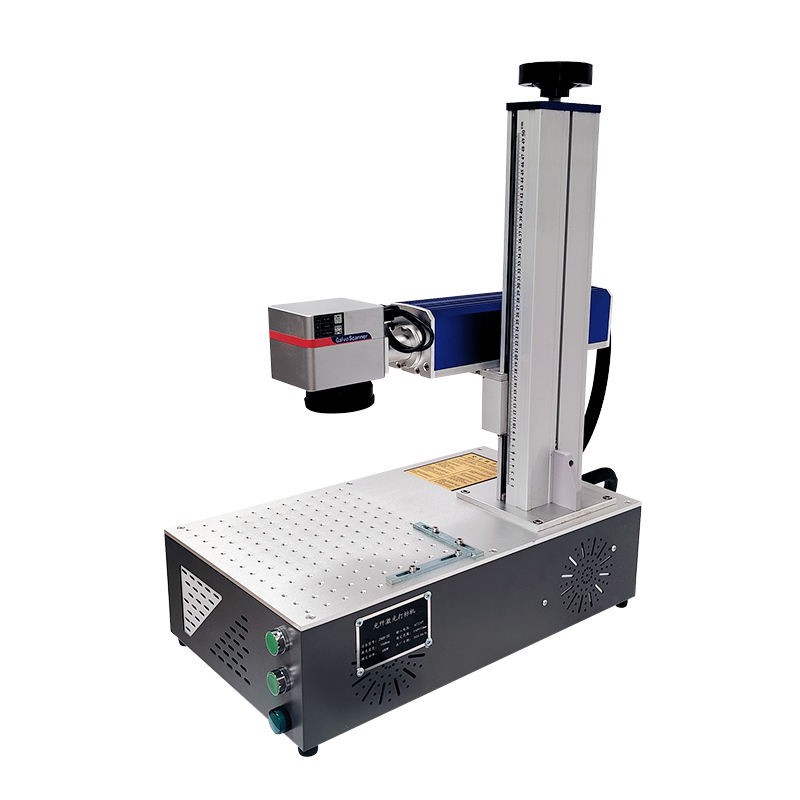
50W fiber Laser Marking Machine
Conclusion
Laser marking depth is influenced by much more than laser power alone. Material type, processing parameters, focus position, and engraving strategy all play important roles.
For most industrial identification applications, a marking depth of 0.01-0.05 mm is sufficient. When deeper engraving is required for molds, heavy-duty parts, or decorative products, multiple-pass engraving with a 50W or 100W fiber laser can achieve significantly greater depth while maintaining excellent quality.
At ZS Machinery, we help customers select the right laser source and optimize parameters for different materials and engraving requirements. Whether you need permanent product identification, deep engraving, or precision laser marking, we can provide professional recommendations and free sample testing.